The Death of the ‘Dumb’ Furnace and the Rise of the Airflow Architect
I followed a guy last November—a self-proclaimed ‘Comfort Advisor’ in a shiny polo—to a brick split-level where the homeowner was shivering. He’d already written a quote for $19,500 to replace the entire furnace and condenser because, in his words, the heat exchanger was ‘looking tired.’ I spent ten minutes in the crawlspace, found a literal bird’s nest blocking the fresh air intake, cleared it, and watched the flame settle into a perfect, steady blue. That’s the state of the industry. We have sales techs trying to sell you a new heart when the patient just needs to breathe. As we head into 2026, the game is changing. We aren’t just ‘Tin Knockers’ anymore; we are managing complex thermal algorithms. If you want to stop burning money, you need to understand that comfort isn’t about horsepower—it’s about physics.
1. The A2L Transition and Smart Building Management Logic
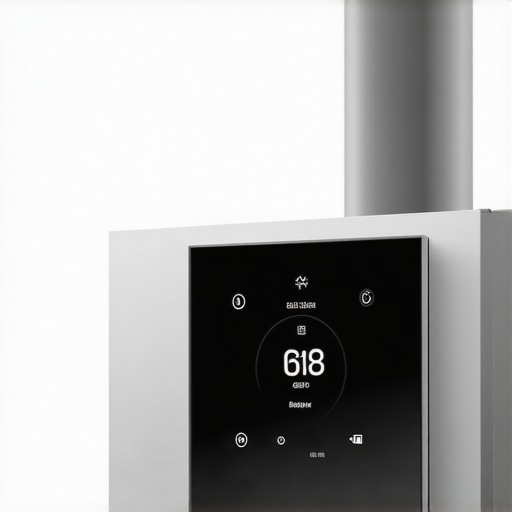
By 2026, the R-410A refrigerant we’ve used for decades is officially the ‘old stuff.’ We are moving into the era of A2L refrigerants like R-454B. They are ‘mildly flammable,’ which sounds terrifying to a homeowner but is just a Tuesday for us. Because of this transition, smart building management is no longer a luxury for skyscrapers; it’s being baked into residential units. These systems use AI to monitor for leaks using sensors that can detect a parts-per-million ‘gas’ (refrigerant) escape before you even smell the acidic tang of a compressor burnout. These AI boards don’t just shut the system down; they modulate the blower to dilute any potential vapor. Investing in these app-controlled heating systems allows the logic board to ‘learn’ your home’s thermal envelope. It calculates how long it takes to raise the temp by two degrees based on outdoor ambient humidity, preventing the dreaded ‘short cycling’ that kills capacitors and compressors alike. You can find more about high-efficiency logic in our ultimate guide to heat pump maintenance and repairs.
“Maintenance of HVAC systems shall be performed in accordance with the manufacturer’s instructions and shall include regular inspection of all safety controls.” – ASHRAE Standard 180
2. Thermodynamic Zooming: Beyond the MERV Filter Upgrade
Everyone talks about MERV filter upgrades like they are a magic wand. Here is the truth: if you slap a MERV 13 filter on a duct system designed for a fiberglass ‘rock catcher,’ you are essentially putting a mask on a marathon runner. You increase the static pressure—the resistance the air feels as it moves through your ‘Tin’—and you’ll eventually blow the ECM motor. AI-driven optimization in 2026 uses system performance testing to measure the pressure drop across the coil in real-time. If the AI sees the static pressure climbing, it alerts you that it’s time for a furnace filter replacement before the limit switch trips. In dry climates, this is even more critical. While swamp cooler maintenance usually involves checking pads and pumps, modern AI sensors can now detect mineral buildup on the media, optimizing water flow to maximize the ‘sensible heat’ drop without wasting a drop of ‘juice.’
3. Hyper-Heat Heat Pumps and the Cold Climate Revolution
The old timers used to say heat pumps are useless below 40°F. They were right—thirty years ago. Today, hyper-heat heat pumps use flash-injection technology to maintain 100% capacity down to 5°F. The AI manages the defrost cycle with surgical precision. Instead of a ‘dumb’ timer that runs every 60 minutes regardless of ice buildup, AI monitors the delta-T (temperature difference) between the coil and the ambient air. It only initiates a defrost when absolutely necessary, saving you hundreds in ‘strip heat’ costs (those expensive electric coils that kick in when the pump struggles). In many northern installs, we are seeing radiant floor heating installation being paired with these heat pumps. The AI balances the slow, steady thermal mass of the floor with the quick-response air of the heat pump. If you’re seeing odd behavior with your mini-split or heat pump, check out our mini-split troubleshooting guide.
4. Predictive Diagnostics: Stopping the Commercial Furnace Repair Cycle
In the commercial world, a down rooftop unit (RTU) means lost revenue. Commercial furnace repair has historically been reactive—you fix it when it breaks. By 2026, predictive AI uses vibration analysis on blower bearings and amperage draw signatures on the inducer motor to predict a failure weeks before it happens. This isn’t ‘Sales Tech’ fluff; it’s data. If the AI detects a 5% increase in amp draw on the compressor, it knows the valves are starting to bypass or the ‘Pookie’ (mastic) on your return duct has failed, drawing in hot attic air. Regular duct cleaning services are then scheduled based on actual particulate sensor data, not just a calendar date. This is the ‘Forensic Diagnosis’ model. We don’t guess; we measure. For those still running traditional gas systems, debunking myths is the first step to saving money, as seen in our breakdown of furnace repair myths.
“A system that is not properly commissioned cannot be expected to perform at its rated efficiency.” – ACCA Manual 5
The Architect’s Verdict: Airflow is King
You can buy the most expensive 25-SEER variable-speed monster on the market, but if your return air drop is undersized, it’s just a shiny box of headaches. Comfort is the result of proper ‘suction line’ temperatures—what we call ‘beer can cold’—and the removal of latent heat (humidity). AI is finally giving us the tools to see what’s happening inside the sealed system without cracking it open and losing the ‘gas.’ If you’re ready to stop the cycle of emergency repairs and start optimizing, it’s time for a deep dive into hvac repair secrets. Don’t let a ‘Sparky’ or a ‘Sales Tech’ tell you that you need a total replacement until you’ve seen the static pressure numbers. If you need a real diagnostic, you can always contact us for a second opinion that relies on physics, not commissions.