The Sound of the Regulatory Guillotine
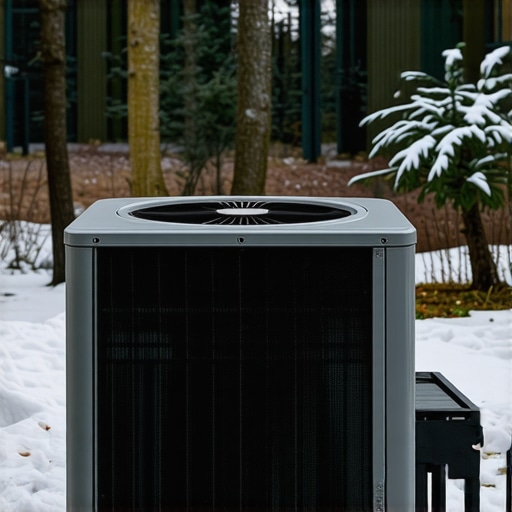
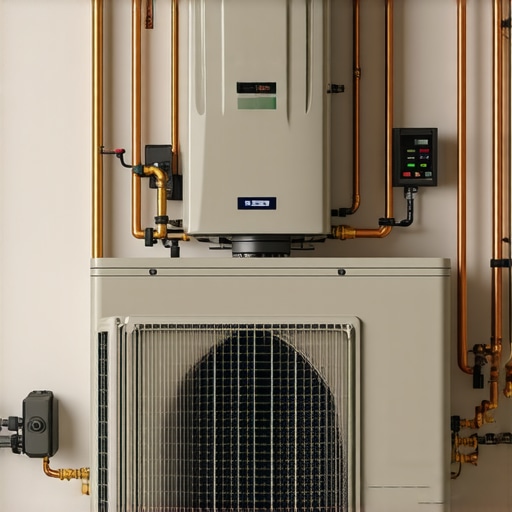
If you listen close, past the rattling of a loose blower door, you can hear the sound of the HVAC industry changing forever. It’s not a mechanical sound; it’s the sound of paper—regulations, phase-outs, and invoices. By 2026, the refrigeration landscape will look entirely different than it did three years ago. We are currently standing on the edge of the A2L refrigerant transition. The R-410A you’ve got in your yard right now? It’s going the way of R-22, becoming a ‘legacy’ gas that will cost a fortune to service. If you are looking at a heat pump replacement, you are staring down a new world of leak detector integration and mildly flammable refrigerants that require specialized handling. But here’s the thing: while the equipment is getting more complex and the price tags are climbing, the financing and rebate landscape for 2026 is actually opening up doors for homeowners who know how to navigate the bureaucracy.
“The most expensive equipment in the world cannot overcome a bad duct system.” – Industry Axiom
I remember following a ‘Sales Tech’ last winter into a split-level home in the suburbs. This guy—dressed more like a used car salesman than a tin knocker—had told a retired schoolteacher that her entire system was ‘leaking deadly carbon monoxide’ and needed a $17,000 replacement immediately. He’d shut her unit down in 15-degree weather. When I got there, I pulled the panel. It wasn’t a cracked heat exchanger. It was a simple limit switch replacement that had failed because she hadn’t done a furnace filter replacement in two years, causing the unit to overheat and trip the safety. A $30 part and a $10 filter, and she was back in business. That’s the industry today—scare tactics to push new ‘juice’ (refrigerant) when a little diagnostic integrity would suffice. However, if your compressor is actually grounded or that evaporator coil looks like it was pulled from a shipwreck, then we need to talk about how to pay for a new 2026-compliant system without losing your shirt.
The Cold Climate Reality: Why Airflow is King
In the North, where we deal with the ‘Polar Vortex’ every other February, a heat pump isn’t just a luxury; it’s a high-stakes physics experiment. When the ambient temperature drops, the enthalpy in the outside air becomes harder to extract. This is why inverter-driven compressors are the only real choice for a 2026 install. Unlike old-school single-stage units that are either ‘on’ or ‘off,’ an inverter ramp up and down, maintaining a precise temperature without the massive energy spikes that kill your utility bill. But remember, you can’t cool—or heat—what you can’t touch. If your ductwork is undersized or leaking, that shiny new inverter is just a paperweight. We spend hours with ‘Pookie’ (mastic) sealing joints because a 15% leak in your return air can drop your efficiency by 30%.
Program 1: The HEEHRA Rebate Expansion (IRA)
The High-Efficiency Electric Home Rebate Act (HEEHRA) is the heavy hitter for 2026. This is a point-of-sale discount, meaning you don’t wait for a tax credit; the money comes off the top. For low-to-moderate-income households, this can cover up to $8,000 of a heat pump installation. When we do a thermostat installation and commission a new system, we’re seeing these funds used not just for the outdoor unit, but for the necessary electrical upgrades. In older homes, moving from a gas furnace to a heat pump often requires a 200-amp panel upgrade, and HEEHRA covers that too. It’s about more than just moving heat; it’s about upgrading the home’s entire energy infrastructure.
Program 2: Utility-Based Demand-Controlled Ventilation Incentives
Local utility companies are terrified of the grid crashing. To combat this, they are offering massive rebates for demand-controlled ventilation and smart systems that can communicate with the grid. If you integrate energy recovery ventilators (ERVs) into your system, you’re not just bringing in fresh air; you’re pre-conditioning that air using the energy of the exhaust stream. In the humid summers or dry winters of the North, this is vital for whole-home humidifiers to function without wasting energy. Utilities are often willing to buy down the cost of these ‘extras’ because they reduce the peak load on the system. Check your local provider for ‘Smart Choice’ or ‘Green Energy’ rider programs.
Program 3: State-Level Green Banks and Low-Interest Financing
Many states have established ‘Green Banks’ to provide 0% or 1% interest financing for high-efficiency HVAC upgrades. Unlike traditional bank loans, these are often tied to the property (PACE financing) or serviced through your utility bill. For a complex heat pump replacement, being able to spread the cost over 10 years at nearly 0% interest often makes more financial sense than paying cash, especially when you factor in the 30% reduction in monthly operating costs that a modern inverter system provides. I’ve seen school boiler maintenance budgets in small districts get salvaged by switching to these decentralized heat pump clusters financed through state energy grants.
Program 4: Manufacturer ‘Bridge’ Incentives for the A2L Transition
Manufacturers like Trane, Carrier, and Rheem are in a race to clear out R-410A inventory while simultaneously launching their new R-454B and R-32 lines. To keep the assembly lines moving, they are offering ‘Bridge’ financing. This often includes 60 months of no-interest financing or instant rebates if you bundle the heat pump with an indoor air quality package. This is the best way to get a whole-home humidifier or an ERV added to the ticket for pennies on the dollar. However, be wary of the ‘Sales Tech’ who tries to upsell you on things you don’t need. Always check the ultimate guide to heat pump maintenance and repairs to know what a legitimate quote should look like.
“Standard 62.2 defines the roles of mechanical ventilation in low-rise residential buildings to maintain acceptable indoor air quality.” – ASHRAE Standards
The Physics of Comfort: Don’t Ignore the Small Stuff
While you’re chasing rebates, don’t forget the basics. A heat pump in a cold climate is a different beast. It doesn’t give you that ‘scorched air’ feeling that a 80% AFUE gas furnace does. It’s a gentler, more consistent heat. This is why proper sizing via a Manual J load calculation is non-negotiable. If the unit is oversized, it will short-cycle, leading to premature compressor failure and a house that feels clammy. If it’s undersized, you’ll be running on expensive ‘heat strips’ (electric resistance heat) all winter. For more on avoiding these pitfalls, see furnace repair myths debunked. In 2026, the cost of an HVAC system is as much about the technology as it is about the paperwork. Take the time to vet your installer. If they don’t know what a micron gauge is or why we need leak detector integration for the new refrigerants, send them packing. Your wallet and your comfort depend on it.