The Cold Reality of the 2026 HVAC Landscape
If you’re sitting in a house in the Northeast or the Midwest right now, listening to the rhythmic clanging of your pipes, you’re hearing the heartbeat of a hydronic system. But as we move into 2026, that heartbeat is changing. We are currently standing on a regulatory cliff. The old guard of refrigerants is dying, and the way we move heat through water is being forced to evolve. I’ve spent three decades crawl-spacing through cobwebs and sniffing out gas leaks, and I’m telling you: what worked in 2010 will get you a red tag or a massive repair bill today.
The Sales Tech Scam: A $22,000 Lie
Last winter, I followed a ‘Sales Tech’—you know the type, clean fingernails, shiny shoes, more interested in his commission than your combustion—who told a homeowner in a drafty Victorian that her entire cast-iron boiler was ‘thermally compromised’ and needed a $22,000 replacement. He’d even written up a quote for a fancy high-efficiency unit without checking the radiation. I walked in, saw the soot marks, and realized the burner was just starved for air. It wasn’t ‘compromised’; it was suffocating. After a simple pilot light relighting and a thorough cleaning of the burner tubes, that old beast roared back to life. The fix wasn’t twenty grand; it was a service call and an honest look at the flame. This is why you never trust a tech who doesn’t carry a manometer.
“The most expensive equipment in the world cannot overcome a bad duct system—or in the case of hydronics, a poorly engineered loop.” – Industry Axiom
Mistake 1: Ignoring the R-454B Transition in Hybrid Systems
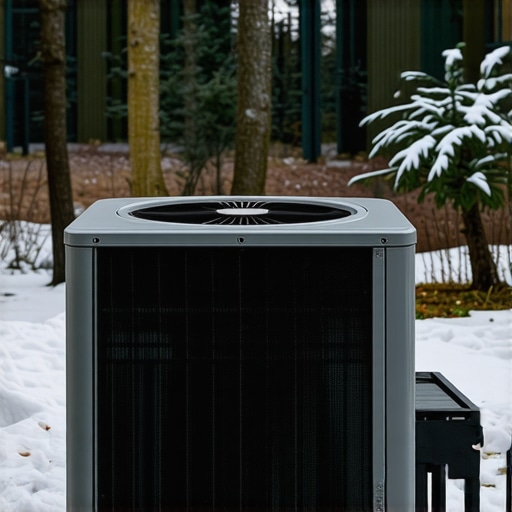
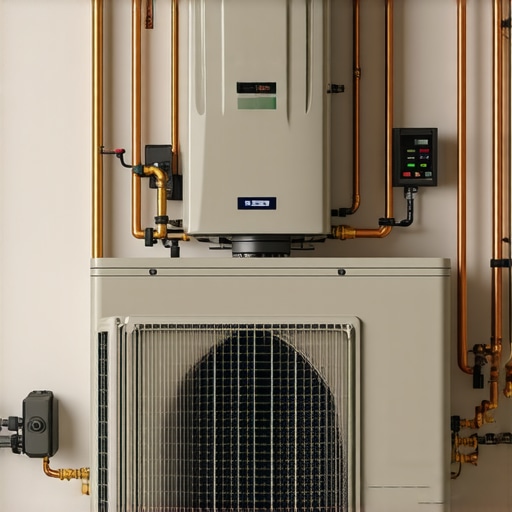
By 2026, the transition to A2L refrigerants is no longer a ‘future problem.’ If you’re installing an air-to-water heat pump as part of your hydronic setup, you need to understand R-454B refrigerant transition services. Unlike the old R-410A, R-454B is ‘mildly flammable.’ If your tech isn’t talking about leak sensors and updated spark-proof components, they are living in the past. This ‘juice’ has a much lower Global Warming Potential, but it requires a different set of manifolds and a whole lot more respect. Failing to calibrate the system for these new pressures will cook your compressor faster than a cheap capacitor in an Arizona July.
Mistake 2: Poor Flue Pipe Installation and Condensate Management
Modern high-efficiency boilers are essentially big, fancy chemistry experiments. They extract latent heat by cooling combustion gases until they turn back into water. If your flue pipe installation isn’t pitched perfectly—usually a quarter-inch per foot back to the unit—that acidic condensate will pool. I’ve seen ‘Pookie’ (mastic) used to try and seal improper PVC joints where the acid literally ate through the pipe. This isn’t just a leak; it’s a carbon monoxide hazard. If you don’t vent it right, you’re turning your basement into a gas chamber. Always ensure your flue pipe installation follows the strict venting tables in the manufacturer’s manual, not just ‘what looks right.’
Mistake 3: Skipping Static Pressure Testing and Flow Calculations
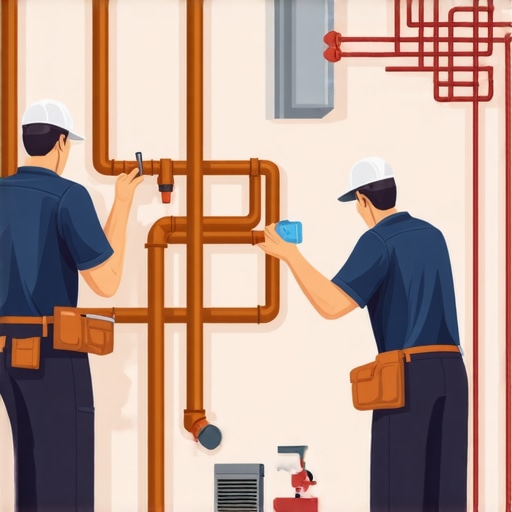
I see it every day: a ‘Tin Knocker’ who thinks he can do plumbing, or a plumber who thinks he understands static pressure testing. In a hydronic system, flow is everything. If your pump head is too high, you’ll hear the ‘screech’ of cavitation—that’s the sound of the water literally boiling because of pressure drops, pitted against the impeller. If the flow is too low, you’ll never hit your Delta T. We use static pressure testing and ultrasonic flow meters to ensure the water is moving fast enough to carry the BTUs but slow enough to actually release them at the baseboard. If you’re struggling with uneven heat, you might need a baseboard heater repair that actually addresses the air-bound loops rather than just bleeding the valves.
“The design of the piping system shall be such that the friction loss does not exceed the head pressure available from the circulator at the required flow rate.” – ACCA Manual B
Mistake 4: Underestimating the Envelope and Humidity Balance
You can put a 200k BTU boiler in a tent, but it won’t be comfortable. In the cold North, your heating system is only as good as your attic insulation for heating retention. If you have heat escaping through the top of the house like a chimney, your boiler will short-cycle, killing the efficiency and wearing out the gas valve. Furthermore, hydronic heat is ‘dry’ heat. Without steam humidifiers integrated into the system, your wood floors will gap and your skin will itch. On the flip side, if you’re using a chilled-water hydronic cooling system, you absolutely must invest in dehumidification services. If the evaporator coil drops below the dew point without proper moisture management, you’ll have a ‘cold swamp’ in your living room.
Mistake 5: Neglecting Secondary Zones like the Garage
In 2026, homeowners want every square inch usable. A common mistake is tying a garage heater installation directly into the main house loop without a heat exchanger. If that garage loop freezes because someone left the door open, it takes down the whole house. I always recommend a separate glycol-filled loop for garages. It prevents the ‘ice-plug’ disaster that leads to burst copper and a midnight emergency call. While you’re at it, consider UV light installation for HVAC inside your air handlers to keep the coils from growing ‘the funk’—that slimy biofilm that loves damp, dark heat exchangers.
The Final Diagnosis
Don’t be the homeowner who waits for the sound of silence—that terrifying lack of a hum in the dead of winter. Whether you’re looking for furnace repair myths debunked or trying to understand the complexity of a new hydronic build, remember that physics doesn’t care about your budget. It only cares about pressure, temperature, and flow. If you’re feeling a bit overwhelmed by the tech transition, check out our ultimate guide to heat pump maintenance and repairs to see how these systems are merging. And if your boiler starts making that ‘tea kettle’ whistle, don’t call a sales tech. Call a mechanic who knows the difference between a circulator and a centrifugal pump. Stay warm, stay smart, and for the love of all things holy, check your filters.