The Forensic Diagnosis: Why Your Commercial HVAC Unit Is A Ticking Time Bomb
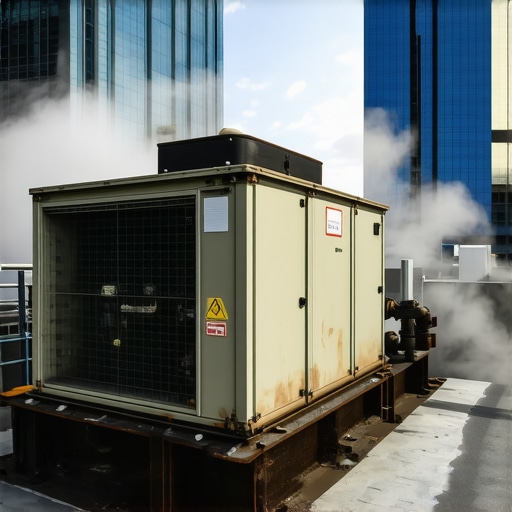
I followed a so-called ‘Sales Tech’ into a suburban medical plaza last November. The property manager was shaking. She’d been told her three 20-ton rooftop units (RTUs) were ‘beyond repair’ because of cracked heat exchangers. The quote sat on her desk: $114,000 for a full replacement. I grabbed my flashlight, climbed the rusted ladder, and pulled the panels. I didn’t see a crack. I saw three years of neglected maintenance. The flame sensors were coated in carbon, the burners were misfiring because of a spider nest in the intake, and the filters were so choked they were literally being sucked into the blower. A $400 deep clean and a few minor adjustments later, those units were purring at 98% efficiency. That’s the ‘Sales Tech Tax.’ When you skip your commercial maintenance contract, you aren’t just risking a breakdown; you’re inviting every shark in the industry to take a bite out of your CAPEX budget.
The Thermodynamic Reality of Neglect
In the HVAC world, we don’t just ‘make air cold.’ We manage energy transfer. When I look at a commercial system, I’m looking at the Delta T—the temperature difference between the return air and the supply air. In our brutal northern winters, if your heat exchanger is fouled with soot or scale, the heat transfer efficiency plummets. You’re burning more gas or using more electric heater services just to maintain the same setpoint. This is where Thermodynamic Zooming comes in: the heat exchanger doesn’t just ‘get hot.’ It undergoes intense thermal expansion and contraction. Without regular inspection, a small stress fracture becomes a CO-leaking disaster. This is why furnace repair myths often lead owners to replace units that still had a decade of life left.
“The most expensive equipment in the world cannot overcome a bad duct system.” – Industry Axiom
The Hidden Enemy: Static Pressure and Airflow
Airflow is the lifeblood of any commercial building. Most ‘hot and cold’ complaints aren’t thermostat issues; they are duct design services failures. If your HVAC duct sealing is failing, you’re essentially paying to heat the space between your ceiling tiles and the roof deck. I’ve seen ‘Tin Knockers’ slap together a return air drop with nothing but silver tape that fails in two years. You need ‘Pookie’ (mastic) to actually seal those joints. High static pressure is like high blood pressure for your RTU. It kills the motor bearings, leading to that high-pitched screech that usually precedes a $3,000 repair bill. If you’re managing a facility, hospital HVAC zoning is even more critical. You aren’t just moving air; you’re managing pressure gradients to prevent cross-contamination. If a zone damper fails because it wasn’t lubricated, you’ve compromised the entire floor’s safety.
The Humidity Factor in the North
In the Chicago or Northeast climate, winter air is bone dry. This isn’t just about comfort; it’s about the building’s structural integrity. We install steam humidifiers in commercial spaces because if the humidity drops below 20%, your millwork cracks, your electronics build up static, and your employees get sick. But these units need monthly service. The canisters scale up, and the ‘gas’ (refrigerant) lines on your cooling side can actually freeze if the airflow isn’t balanced. It’s a delicate dance of psychrometrics. Skipping a checkup means your variable speed furnace services can’t optimize the fan curve, leading to short cycling and massive utility bills.
“Proper maintenance is the only way to ensure that a system performs at its AHRI-rated efficiency throughout its lifespan.” – ASHRAE Standards
Repairs vs. The Regulatory Cliff
As we move into 2025, the cost of ‘Juice’ (refrigerant) is going to double. If you have a slow leak on a 15-year-old R-410A system, ‘topping it off’ is a financial suicide mission. You need a tech who actually finds the leak, uses a recovery machine (per EPA 608), and repairs it right. For smaller commercial offices, ductless mini-split installation is becoming the go-to for server rooms or isolated offices, but even those need their ‘suction line’ (which should be ‘beer can cold’ in the summer) checked for vibration wear. Whether it’s propane conversion services for a rural warehouse or a simple pilot light relighting on an old boiler, the physics don’t change. If you don’t touch the equipment, the equipment will eventually touch your bottom line. I’ve performed enough portable heater safety checks in offices where the main HVAC failed to know that the ‘cheap’ route is always the most expensive. Follow hvac repair secrets to stay ahead of the curve. Don’t wait for the silence of a dead blower on a Monday morning in February. Comfort is physics, not magic. [{“@context”:”https://schema.org”,”@type”:”LocalBusiness”,”name”:”Chilly Pro HVAC”,”address”:{“@type”:”PostalAddress”,”streetAddress”:”Commercial Service Division”,”addressLocality”:”Northern Region”,”addressRegion”:”US”},”description”:”Expert commercial HVAC maintenance, duct sealing, and zoning services for high-stakes environments.”,”url”:”https://chillyprohvac.com”}]