The Sound of a Silent Furnace and the Crackle of Trouble
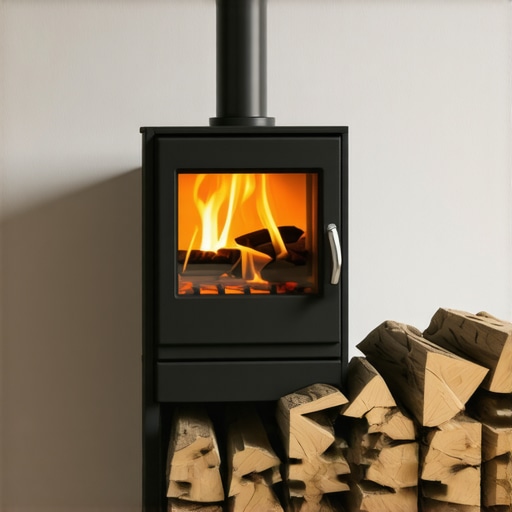
There is a specific kind of silence that hits you in the middle of a sub-zero Northern night. It’s the sound of a furnace that’s finally given up the ghost because someone ignored the basic laws of thermodynamics. When that happens, homeowners often scramble to their newly installed wood-burning stove as a secondary heat source. But here’s the reality: if you treat that stove like a trash can, you’re trading one catastrophe for another. I’ve spent thirty years on frozen rooftops and in cramped mechanical rooms, and I can tell you that the acrid, sour smell of a chimney fire is something you never forget. Most people think creosote is just ‘soot.’ It’s not. It’s unburned fuel, a complex cocktail of tar and organic vapors that condenses on your flue like a ticking time bomb.
The Physics Lesson: You Can’t Heat What You Can’t Touch
My old mentor used to scream, ‘You can’t cool what you can’t touch!’ He was talking about airflow over an evaporator coil, but the same physics applies to your wood stove. If the heat from the combustion process doesn’t reach the interior walls of your chimney because it’s being dampened by moisture or poor draft, you’re in trouble. Creosote forms when flue gases drop below 250°F. At that point, the vapors undergo a phase change from a gas to a liquid, sticking to the relatively cool chimney walls. This is why Manual J calculations aren’t just for cold climate heat pumps; they are essential for understanding the heat load requirements of your home so you don’t install an oversized stove that you constantly have to ‘run cold’ to avoid overheating the room. Over-sizing is the primary sin of the amateur. When you choke back the air to keep the house from becoming a sauna, you drop the firebox temperature, and that’s when the ‘Pookie’ of the wood world—creosote—starts to accumulate.
“Proper venting systems must maintain a temperature above the dew point of the flue gases to prevent liquid condensation and subsequent creosote formation.” – ASHRAE Standards on Chimney Venting
The Anatomy of Combustion: Why New Stoves Are Different
Modern stoves are high-efficiency machines, much like the app-controlled heating systems or a 96% AFUE furnace. They use secondary combustion tubes to burn off the gases before they leave the firebox. However, these systems rely on precise airflow. If your house is tightly sealed—a common result of modern HVAC duct sealing—your stove might be starving for oxygen. This creates a negative pressure situation where the stove ‘lazy burns.’ A lazy burn is a dirty burn. You want a crisp, active flame. If you see thick, rolling smoke coming out of your chimney, you are essentially throwing money and safety out the window. Unlike a pellet stove repair where a computer-controlled auger manages the fuel-to-air ratio, a wood stove requires you to be the technician. You need to monitor the stack temperature. I always tell my clients to invest in a magnetic flue thermometer. If you’re in the ‘yellow zone’ (below 250°F), you’re making creosote. If you’re in the ‘red zone’ (above 500°F), you’re risking a chimney fire.
The Three Stages of Creosote: A Forensic Diagnosis
In the field, we diagnose creosote in three stages. Stage one is a flaky, dusty soot that’s easily brushed away. Stage two is a crunchy, tar-like flake. Stage three is the nightmare: a shiny, hard, glaze that looks like obsidian. This third stage is highly flammable and almost impossible to remove without specialized chemicals or mechanical ‘chains’ used by a pro. I’ve seen homeowners try to ‘burn it out’ by running the stove hot. Don’t do that. That’s like trying to fix a refrigerant leak detection issue by just adding more ‘juice’ to the system; it doesn’t solve the underlying failure and usually makes the repair ten times more expensive. If you find yourself dealing with stage three creosote, it’s time to call a pro, just like you would for mini-split troubleshooting when the internal sensors start screaming.
“The most expensive equipment in the world cannot overcome a bad duct system—or in the case of wood stoves, an improperly sized and maintained chimney.” – Industry Axiom
Thermodynamic Zooming: The Role of Wood Moisture
Let’s talk about latent heat. When you put a piece of ‘green’ wood (wood with high moisture content) into a fire, the first thing the fire does is use its energy to boil off that water. This is energy that should be going into the room or keeping the flue gases hot. Instead, it’s being wasted on phase-shifting water into steam. This steam cools the firebox and the flue, leading to rapid creosote buildup. You should only burn wood with a moisture content below 20%. Anything higher, and you’re basically trying to burn a wet sponge. This is similar to how a heat pump maintenance routine includes checking the evaporator coil for dirt; if the heat transfer is blocked by water or debris, the whole system’s efficiency tanks.
The Interaction with Your Existing HVAC
A wood stove doesn’t exist in a vacuum. If you have a powerful restaurant kitchen exhaust repair or even a high-CFM bathroom fan, it can pull air down the chimney, causing smoke to roll into the room. This ‘backdrafting’ is a serious carbon monoxide risk. Before you fire up your stove for the season, you should consider a professional furnace tune-up service to ensure your primary and secondary systems aren’t fighting each other. I’ve seen houses where the wood stove and the furnace were competing for the same air, leading to cracked heat exchangers in the furnace—a death sentence for the unit and a major safety hazard for the family. Proper zoning and fresh air intakes are the only way to do it right.
Maintenance vs. The ‘Sales Tech’ Scam
Be wary of guys who tell you that you need a whole new chimney liner every time they see a bit of soot. A real technician will show you the stage of creosote and explain the ‘why.’ Are you burning the stove too low at night? Is your wood wet? Is your chimney on an exterior wall (which keeps it colder and more prone to condensation)? Real maintenance is about education, not just a sales pitch. Check out these hvac repair secrets to understand how efficiency and safety go hand-in-hand. Whether it’s swamp cooler maintenance in the desert or wood stove safety in the tundra, the physics of airflow and heat transfer remain the same. Keep your flue hot, your wood dry, and your air moving, and you’ll keep the fire where it belongs: inside the stove. “