The Sound of Silence and the 3 AM Panic
There is a specific kind of silence that only happens in the dead of winter when a furnace or a hydronic heating system quits. It is not just the lack of noise; it is the heavy, oppressive cold that starts creeping in from the corners of the room. You wake up, see your breath, and realize the ‘thrum’ of the inducer motor is missing. For over thirty years, I have been the guy who gets that 3 AM call. I have crawled through more crawlspaces and squeezed through more attic hatches than I care to count, and I have seen it all—the good, the bad, and the downright criminal. Homeowners always ask me the same question while I am elbow-deep in a transformer replacement: ‘Is a priority service membership actually worth the money, or is it just another way to get into my wallet?’
To answer that, you have to look past the shiny brochures. As an old-school tech, I despise ‘Sales Techs.’ You know the type—the guys who show up with a clean uniform and a tablet, spend five minutes looking at your unit, and then tell you that you need a brand-new $18,000 system because your flame sensor is dirty. I followed one of these guys last February. He had quoted a young couple a full replacement because their furnace was ‘leaking lethal levels of CO.’ I got there, pulled the burner assembly, and performed a real heat exchanger cleaning. The ‘leak’ was actually just a clogged condensate trap causing the system to trip. A $200 fix versus an $18,000 debt. That is the reality of this industry. But here is the kicker: that couple would have never been in that spot if they had a technician who actually knew the physics of a heat exchanger looking at the unit once a year. Maintenance isn’t about ‘checking boxes’; it is about preventing the ‘parts cannon’ from ever being fired.
“The most expensive equipment in the world cannot overcome a bad duct system.” – Industry Axiom
The Physics of the North: Why Your System Struggles
In our climate, we deal with extreme temperature differentials. When it is -10°F outside and you want it 72°F inside, your equipment is fighting a brutal thermodynamic war. We are talking about sensible heat—the heat you can feel on a thermometer. Unlike the humid South, our biggest enemy is the dry, abrasive air that cracks seals and the constant expansion and contraction of metal. When I perform a heat exchanger cleaning, I am not just vacuuming out soot. I am inspecting the integrity of the metal. Every time that furnace fires, the metal expands. When it cools, it contracts. Over thousands of cycles, that stress creates microscopic fractures. If those fractures open up, you aren’t just losing efficiency; you are inviting carbon monoxide into your breathing air. A priority service membership ensures that a pro—not a ‘Sparky’ or a ‘Tin Knocker’ looking for a quick buck—is checking those stress points before the polar vortex hits.
And it is not just about the heat. We have to talk about the whole-home humidifiers that keep your hardwood floors from splitting and your skin from itching. Most people forget these exist until the water panel is so calcified it looks like a stalactite. Part of a real maintenance program is ensuring your humidity levels stay between 35% and 45%. Any higher and you get mold; any lower and the air feels colder than it actually is because of evaporative cooling on your skin. This is where remote thermostat access and voice control setup Alexa Google come into play. Modern systems allow us to monitor these levels in real-time, but the hardware still needs a human hand to swap the pads and clear the drain lines.
The R-454B Transition: The Regulatory Cliff
If you haven’t heard about the R-454B refrigerant transition services, you are about to get a wake-up call. The EPA is phasing out R-410A (the ‘Gas’ or ‘Juice’ we have used for years). The new refrigerants are A2L—meaning they are ‘mildly flammable.’ This isn’t a DIY job. The new systems require specialized leak sensors and different brazing techniques. If you are on a priority service membership, you are basically grandfathering your way into expert care as these parts become rarer and more expensive. An Energy Star heating certification doesn’t mean much if the technician doesn’t know how to balance the charge on a sub-zero morning. We are moving into an era where the ‘beer can cold’ method of checking a suction line just won’t cut it anymore; we need precise subcooling and superheat measurements to keep these new A2L systems from burning out a compressor.
“Maintenance is the only way to ensure the life safety and efficiency of high-pressure HVAC systems.” – ASHRAE Standard 180
The Anatomy of a Repair: When the Transformer Quits
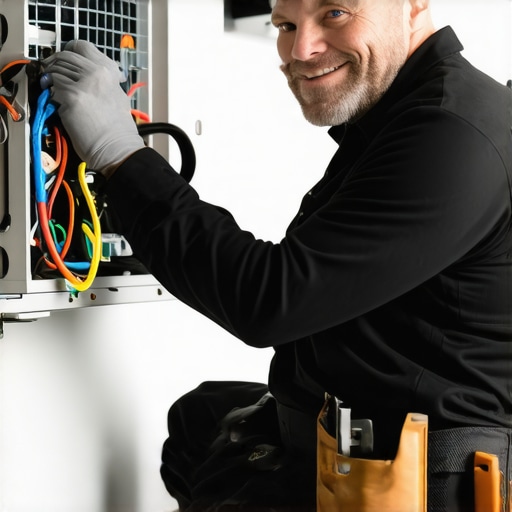
Let’s talk about a transformer replacement. This is the heart’s pacemaker for your HVAC. It takes your 120V line voltage and steps it down to 24 low-voltage ‘juice’ to run your thermostat and control board. When a transformer blows, the whole system goes dark. Usually, it’s not the transformer’s fault; it’s a short in the contactor or a wire rubbed raw against a ‘Pookie’-covered duct. A membership tech will find that rubbed wire during a routine inspection. A non-membership homeowner calls me when the house is 45 degrees, and now they are paying emergency ‘after-hours’ rates plus the part. When you do the math, the membership usually pays for itself in just one waived diagnostic fee. If you’re curious about how to handle these issues yourself before calling us, check out this mini-split troubleshooting guide to see if it’s a simple fix or a pro-level problem.
Hydronic Systems and Portable Heater Dangers
For those of you with hydronic heating systems, the stakes are even higher. You aren’t just moving air; you are moving pressurized hot water through your floors or radiators. One failed expansion tank or a seized circulator pump can lead to frozen pipes and a flooded basement. I have seen ‘Sales Techs’ try to sell a whole new boiler when all the system needed was to be bled of air and have the pH of the glycol checked. On the flip side, I see folks trying to supplement a failing system with space heaters. I always perform portable heater safety checks when I am on a maintenance call because those things are ‘fire-starters in a box’ if your electrical circuit isn’t rated for the 15-amp draw. You can read more about common heating misconceptions in our furnace repair myths debunked article.
The Verdict: Insurance vs. Maintenance
Is it worth it? If you value your sleep and your wallet, yes. A membership is basically a ‘No-Scam’ insurance policy. It ensures that when you need a transformer replacement or a whole-home humidifier service, you aren’t being sold a bill of goods by a guy chasing a commission. It’s about keeping the ‘Gas’ in the lines and the carbon monoxide out of the lungs. Don’t wait for the ‘Screech’ of a dry bearing or the ‘Sour’ smell of a burnt compressor. If you’re ready to stop gambling with your home comfort, you can contact us to get a real tech out to your property. And if you want to learn more about keeping your system humming, these hvac repair secrets can help you boost efficiency without spending a fortune. Remember, in this trade, an ounce of ‘Pookie’ and a clean coil are worth ten thousand dollars of ‘new’ equipment any day of the week. Stay warm, stay safe, and keep your airflow unrestricted.