The Ghost in the Heat Exchanger: A Veteran Tech’s Take on Longevity
My old mentor, a man who had more soot in his lungs than a Victorian chimney sweep, used to scream at me every time I pulled a panel: ‘You can’t cool what you can’t touch, and you can’t heat what you can’t contain!’ He wasn’t just rambling because the heat was getting to him. He was teaching me the fundamental law of the Airflow Architect. Most homeowners think a furnace is a magic box that breathes fire, but in reality, it is a delicate thermodynamic exchange. If you want to keep your unit from hitting the scrap yard five years early, you have to stop thinking about ‘repairs’ and start thinking about combustion integrity and static pressure.
I’ve spent thirty years crawling through crawlspaces and dragging my tool bag across frozen rooftops while ‘Sales Techs’ in pristine white shirts try to sell you a $15,000 unit because a flame sensor got a little dusty. It makes my blood boil. The truth is, the most critical maintenance move—the one that actually adds half a decade to your system—isn’t just changing a filter. It’s a full-spectrum combustion analysis and heat exchanger stress test. When we talk about hvac repair secrets, we aren’t talking about WD-40; we are talking about ensuring your furnace isn’t literally eating itself from the inside out.
“The most expensive equipment in the world cannot overcome a bad duct system or improper venting.” – Industry Axiom
The Physics of the Burn: Why Your Furnace Is Dying
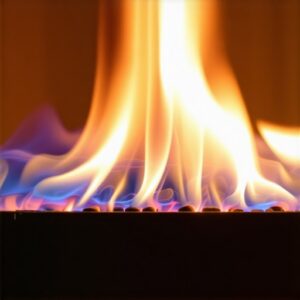
In a cold climate like ours, your furnace is a marathon runner that never gets a break. When that thermostat clicks, the inducer motor draws air, the igniter glows, and the gas valve dumps ‘juice’ into the burners. Here is where the Thermodynamic Zooming happens: the heat exchanger has to transfer the thermal energy of a 1,000°F flame to the air in your house without letting the toxic flue gases mix in. If your flue pipe installation is slightly off or restricted, that heat lingers too long. The metal expands and contracts under extreme thermal stress. Eventually, you get a hairline fracture. That’s not just a repair; that’s a death sentence for the unit and a carbon monoxide risk for you.
I’ve seen it a thousand times during school boiler maintenance. If the combustion ratio is lean, you’re wasting fuel; if it’s rich, you’re creating soot that acts as an insulator, forcing the burners to run longer and hotter. This ‘short cycling’ is a silent killer. It’s why we insist on furnace repair myths debunked, because simply ‘topping off the gas’ (which is impossible for a furnace, by the way) isn’t a thing. You need a leak detector integration check to ensure the system is sealed tighter than a drum.
The Maintenance Move: The Combustion Deep Dive
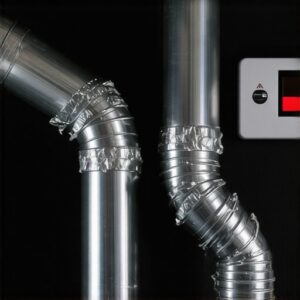
So, what is the ‘move’? It’s the transition from ‘looking at it’ to ‘measuring it.’ A real tech uses a digital analyzer to check the O2, CO, and stack temperature. We look at the flue pipe installation to ensure the vent gases are moving at the correct velocity to prevent condensation from rotting the secondary heat exchanger. If you have a high-efficiency unit (90% AFUE or higher), you have two heat exchangers. The secondary one is where the ‘latent heat’ is captured. This is where moisture turns into acidic condensate. If that drain is clogged, that acid sits in your furnace and eats the metal. That is why your 24/7 heating emergency response calls usually happen on the coldest night of the year—because that condensate line froze or backed up.
While we are in there, we check the thermostat installation logic. Modern smart thermostats can be ‘Sparky’s’ nightmare if they aren’t wired for proper staging. If your furnace is constantly jumping into ‘High Stage’ for a two-degree temperature jump, it’s like redlining your car engine every time you leave a stoplight. We want long, slow run cycles. That is how you get twenty years out of a Trane or Carrier.
“Design of the vent system shall be such that the flue gases are safely exhausted to the outdoors without causing any property damage or health hazards.” – NFPA 54 / ANSI Z223.1
The Cold Climate Reality: Heat Pumps and Boilers
For those of you in the frozen north, cold climate heat pumps are the new frontier, but they require even tighter tolerances. You can’t just slap one in. You need HVAC load calculation services (Manual J) to ensure the system can actually handle the BTU loss of your home when it’s -10°F outside. If the unit is undersized, the backup heat strips kick in, and your electric bill will make you weep. And for the folks still running old-school iron, ventless gas heater services or wood burning stove installation might seem like a good backup, but without a carbon monoxide detector installation, you are playing a dangerous game with your O2 levels.
The Truth About ‘Sales Techs’
If a tech walks into your basement, looks at the age of the unit, and immediately starts talking about financing, kick them out. They aren’t looking at the static pressure. They aren’t checking the ‘Pookie’ (mastic) on your duct joints. They are just looking for a commission. A real ‘Tin Knocker’ or service vet knows that a properly maintained 15-year-old furnace can often outperform a poorly installed brand-new one. If you’re seeing issues, check the mini split troubleshooting guides or call a pro who actually knows how to use a manometer.
In the end, longevity is about airflow. Keep the blower wheel clean, ensure the ‘gas’ (refrigerant or gas pressure) is dialed in, and never ignore the smell of a hot motor or the screech of a dry bearing. If you want that extra five years, stop treating your furnace like an appliance and start treating it like the high-performance engine it is. Contact us today if you want a tech who actually knows the difference between a capacitor and a contactor.