The Anatomy of a Cold-Weather Safe Haven: Why Airflow Reigns Supreme
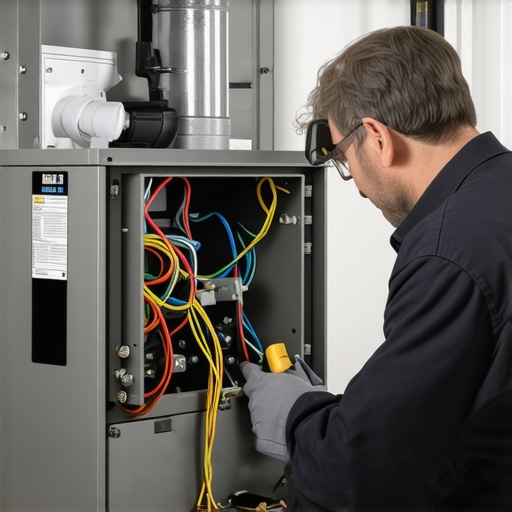
I followed a rookie commission-only “sales tech” last November who quoted a frantic family in Chicago $9,500 for a completely new heating system because their high-efficiency furnace kept shutting down. He told them the heat exchanger was “cooked” and red-tagged the unit. I arrived for a second opinion, pulled the flame sensor, scrubbed off a microscopic layer of white silica buildup with an emery cloth, popped it back in, and the system roared to life. Total cost of parts: zero dollars. That family was about to lose their savings because a salesman didn’t know the difference between actual thermodynamic failure and a simple safety circuit doing its job. I hate sales techs. They sell metal; I repair mechanical systems.
When you are dealing with cold-climate heating, particularly a high-efficiency condensing furnace (90%+ AFUE), you are dealing with a beast completely different from the old atmospheric draft heaters. These machines are designed to squeeze every single BTU out of the fuel by extracting latent heat through a secondary condensing heat exchanger. If you do not respect the physics of airflow, condensate drainage, and flame rectification, these units will lock themselves out faster than you can find your thermostat. This isn’t just about comfort; it is a matter of life, death, and preventing carbon monoxide poisoning when the polar vortex descends.
“The critical safety concern with any Category IV condensing gas appliance is the proper management of acidic condensate and the prevention of flue gas recirculation.” – National Fuel Gas Code (NFPA 54)
If you ignore your fall heating preparation, you are setting yourself up for an expensive midnight emergency call. Let’s break down exactly what a real diagnostic mechanic looks at before the first freeze, bypassing the marketing fluff of typical “tune-up” checklists.
Blueprint: The Forensic Anatomy of a Condensing Furnace
A high-efficiency gas furnace is a chemical reactor masquerading as a household appliance. It doesn’t just burn gas; it manages pressure differentials, acidic wastewater, and electronic micro-amp signals. To understand why your unit might fail this winter, you need to understand the physical organs of this machine.
1. The Secondary Heat Exchanger and Condensate Trap
Unlike old 80% systems that dump their exhaust straight up a metal chimney at 400°F, high-efficiency systems use a secondary heat exchanger made of stainless steel. This secondary coil drops the exhaust temperature down to about 100°F to 120°F. By cooling the gas this much, the water vapor (a byproduct of combustion) condenses into liquid water, releasing latent heat into your home. This process creates highly acidic water (condensate) with a pH between 3 and 5.
If your condensate drain line or internal trap is clogged with bio-slime or dust, that acidic water backs up into the secondary heat exchanger. The pressure switch detects this blockage, opens the circuit, and shuts down the burner. This is why a simple clogged vinyl tube can cause your entire system to shut down on a Sunday night. You do not need a new furnace; you need to clean your condensate trap.
2. The Flame Sensor: The Micro-Amp Sentinel
The flame sensor is a simple rod of metal sitting directly in the path of the flame. The furnace control board sends an alternating current (AC) voltage to this rod. When the burner ignites, the flame itself acts as a conductor, rectifying the AC current into a tiny direct current (DC) signal measured in micro-amps (typically 1.5 to 5.0 micro-amps). If the control board does not read this tiny DC signal within 4 to 9 seconds of ignition, it shuts the gas valve off to prevent your basement from filling with unburned gas.
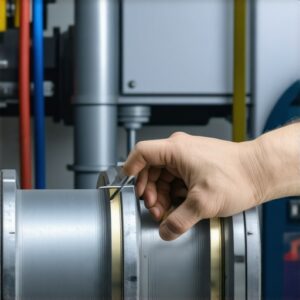
Over time, burning natural gas leaves a thin layer of silica and carbon deposits on this rod. To the control board, this looks like a failed ignition, leading to rapid cycling and eventually a hard lockout. Clean it annually with a light abrasive to keep your system online.3. The Inducer Motor and Draft Pressure Switches
High-efficiency furnaces do not rely on natural drafts to move exhaust out of the house. They use a small, high-speed centrifugal fan called an inducer draft motor to pull the combustion air through the primary and secondary heat exchangers and push it out through PVC venting. The draft pressure switch monitors this negative pressure. If there is a bird’s nest in your intake pipe, ice blocking the exhaust pipe, or a failing bearing in your inducer motor, the pressure switch will not close, and the hot surface igniter will never glow.
“Vent sizing and combustion air supply must comply strictly with Section 5.3 of the ASHRAE Standard 103 to prevent incomplete combustion and mechanical failure.” – ASHRAE Standards
Understanding how these components interact is key to avoiding unnecessary repairs. For more diagnostic tips, read our guide on furnace repair myths debunked to ensure you aren’t scammed by sales-driven technicians.
The Critical Fall Maintenance Checklist
Do not wait until the indoor temperature drops to 50 degrees to find out your heating system has failed. Follow this professional technician’s protocol every single autumn:
- Clear the Condensate Drainage System: Flush the internal collector box, trap, and vinyl drain lines with warm water or a mild vinegar solution. Ensure the condensate pump (if you have one) is clear of slime and the float switch moves freely.
- Inspect and Clean the Flame Sensor: Shut off the high-voltage power breaker, locate the burner assembly, remove the single retaining screw holding the flame sensor, and clean the metal rod with an ultra-fine abrasive pad (do not use steel wool, as it can leave metal fibers that bridge the gap to ground).
- Verify Intake and Exhaust Terminations: Walk outside the house and locate your PVC intake and exhaust pipes. Ensure they are clear of leaves, cobwebs, and insect nests. If they do not have protective mesh screens, install them to prevent rodents from crawling into your inducer fan.
- Check static pressure and change filters: High-efficiency furnaces are incredibly sensitive to airflow restrictions. A dirty pleated filter increases static pressure, causing the heat exchanger to overheat and trip the high-limit safety switch. If you are constantly resetting your unit, restricted airflow is the likely culprit.
- Test the Igniter Resistance: Silicon carbide and silicon nitride igniters degrade over time. Checking their electrical resistance with a multimeter can tell you if they are about to crack and fail before the dead of winter hits.
If your heating system utilizes more advanced configurations, such as hydronic heating systems or integrates with heat pump maintenance routines, make sure you verify the primary loop pumps and zone valves are operating before the cold season begins.
The Reality of High-Efficiency Systems: Physics Over Magic
Many homeowners believe that buying an expensive furnace guarantees a warm home. But comfort is physics, not magic. A 98% AFUE furnace connected to a poorly designed, leaky duct system with high static pressure will perform worse and fail much faster than an old 80% system on a perfectly balanced metal duct system. Airflow is the vehicle that carries the heat; if the “tin knocker” who installed your system restricted the return air drop, your high-efficiency furnace will choke itself to death.
When you have chronic heating issues, such as uneven room temperatures or whistling registers, the problem is rarely the burner. It is almost always a failure of static pressure management. If you need help troubleshooting these complex airflow issues, read our detailed guide on expert HVAC repair secrets to maximize your heating system’s efficiency.
If your system experiences a complete lockout or if you suspect a cracked heat exchanger (look for a rolling, yellow, lazy flame instead of a crisp blue cone), stop DIY troubleshooting immediately and secure professional assistance via our contact page to schedule a certified technician.