The Thermodynamic Nightmare of the Crawl Space
You wake up in mid-January, swing your feet out of bed, and the moment your soles touch the hardwood, a jolt of pure arctic frost shoots straight up your spine. It feels like walking on a frozen lake. Your thermostat says it is 71 degrees, but your toes are telling you a completely different story. Most homeowners blame their windows, their insulation, or even their spouse for leaving a door cracked. But as someone who has spent over three decades crawling through tight, damp, spider-ridden voids underneath houses, I can tell you exactly where the culprit is hiding: your unconditioned, poorly designed crawl space.
We are dealing with a cold-climate problem here. In places like Chicago or the Northeast, the crawl space becomes a massive refrigerator sitting directly beneath your living room. The laws of thermodynamics are brutal and unforgiving: heat always travels to cold. When you have a sub-freezing void of air beneath your floorboards, it acts as a heat sink, constantly pulling the thermal energy out of your home. To stop this energy siphon, you have to stop treating your crawl space like a forgotten trash heap and start treating it like part of your home’s thermal envelope.
The Physics Lesson: Why Airflow Dictates Your Floor Temperature
“The most expensive equipment in the world cannot overcome a bad duct system.” – Industry Axiom
My old mentor, a hard-nosed technician who could diagnose a bad compressor just by placing his palm on the discharge line, used to scream at me on frozen mornings: “You can’t cool what you can’t touch, and you can’t heat what you don’t circulate!” He was right. Airflow is the absolute king of home comfort. When it comes to freezing floors, the issue is almost always a combination of bad thermal barriers and poor duct design beneath the floor joists.
Many homes rely on fiberglass batts stuffed between the floor joists in the crawl space. Let me tell you a secret: fiberglass batts in a damp crawl space are nothing more than expensive sponges. They absorb moisture from the earth, sag under their own weight, pull away from the subfloor, and create a perfect highway for cold air to sweep underneath your flooring. If you have ducts running through that unconditioned space, they are likely leaking warm, conditioned air into the dirt while drawing in freezing, dusty air through rusty seams. If your furnace is short-cycling or struggling, you might even think you need an expensive furnace repair, when in reality, your heated air is just escaping into the ground.
The Blueprint: Crawl Space Heating and Airflow Anatomy
To fix this cold floor epidemic, we have to look at the mechanical anatomy of your home. Let’s break down the actual solutions that work, from simple duct modifications to high-end zonal control systems.
1. Crawl Space Encapsulation and Conditioned Air Injection
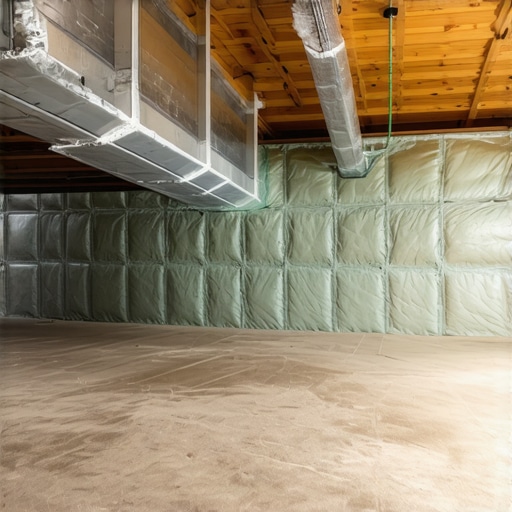
The first step is sealing the belly of the beast. This means laying down a heavy-duty vapor barrier (usually 12 to 20 mil plastic) over the dirt floor and up the foundation walls, securing it with mastic—or what we in the trade call “Pookie”—to make sure no moisture or cold draft can seep through. Once the space is sealed, we transform it from an unconditioned outdoor zone into a conditioned indoor zone. This is done by installing a small supply register from your main ductwork into the crawl space, or utilizing a small, dedicated space heater. This keeps the ambient temperature of the crawl space within 10 degrees of your living space, instantly eliminating the heat sink effect beneath your feet.
2. The Two-Stage Furnace and Modulating Upgrades
If you are running a single-stage, old-school blast furnace, your system is either running at 100% capacity or it is completely off. When it shuts off, the air in your crawl space cools down instantly, making your floors feel icy between heating cycles. A modern two-stage furnace installation or a modulating furnace repair ensures that your system runs on a low, continuous cycle for longer periods. This constant, gentle movement of warm air keeps the ductwork in your crawl space warm, preventing the cold-floor bounce that occurs with cheap systems.
3. Dual Fuel Heat Pump Systems
For the ultimate in cold-weather efficiency and floor comfort, nothing beats a dual fuel heat pump system. This setup combines an electric heat pump installation with a gas furnace backup. When temperatures are moderately cold, the heat pump keeps a steady stream of warm air moving through your home. When the polar vortex hits, the system automatically switches to the gas furnace to blast away the chill. This consistent heating prevents the thermal bridging that makes floor joists freeze up.
Sensory Realities of Crawl Space Failures
You can tell a lot about a heating system just by using your senses. If you crawl down under a house and smell a sour, acidic odor, you are likely smelling a compressor burnout or a severely corroded heat exchanger. If you hear a high-pitched, metallic shriek when the heat kicks on, your blower motor bearings are dry and ready to seize. And if you feel a draft blowing past your ankles while standing in your kitchen, your duct joints are leaking like a sieve because some cheap contractor used paper tape instead of high-grade mastic (“Pookie”) to seal the metal joints. A proper flue pipe installation and sealed joints are critical not just for comfort, but to prevent deadly carbon monoxide from being pulled from your furnace into your living spaces.
“Combustion air and proper venting are non-negotiable safety requirements; improper flue design invites silent killers into the home.” – NFPA 54 National Fuel Gas Code
The Tech Stack: Smart Controls and Moisture Management
To truly master your home’s microclimate, you need to tie your physical upgrades into modern control systems. A proper smart thermostat setup combined with geofencing temperature control allows you to manage your home’s thermal load dynamically. By lowering the temperature when you are away and gradually ramping it up before you return, you prevent the massive, rapid temperature swings that cause building materials (and your crawl space) to rapidly lose heat.
Furthermore, cold winter air is inherently dry. When you heat dry air, it feels much colder than it actually is because it accelerates the evaporation of moisture from your skin. Installing steam humidifiers into your central HVAC system adds controlled latent heat to your home. Humidified air holds heat much better, making a 68-degree room feel like 72 degrees, while taking the bite out of those cold hardwood floors. If you are experiencing uneven heating across different zones, it might be time to look into a customized solution. You can check out our ultimate guide to heat pump maintenance and repairs for deeper troubleshooting steps.
When to Repair vs. When to Replace
If your floors are freezing and your heating bills are skyrocketing, you are likely facing a choice: do you patch up your old dinosaur of a furnace, or do you bite the bullet and replace it? Here is my rule of thumb: if your furnace is over 15 years old and the cost of the repair exceeds 50% of the cost of a new system, pull the plug. Investing in a highly efficient two-stage furnace or a modulating furnace will pay for itself in utility savings and medical bills saved from stubbing your toes on freezing floors. If you are dealing with minor issues like a failing igniter or a dirty flame sensor, a simple hvac repair secrets guide can help you get things sorted without breaking the bank.
Don’t let shady “Sales Techs” tell you that you need an entirely new system when your ductwork is simply disconnected in the crawl space. If you want a real, honest assessment of your crawl space airflow, insulation, or furnace performance, feel free to contact us today to speak with a technician who actually knows the difference between static pressure and a sales pitch.