My old mentor used to scream, “You can’t cool what you can’t touch, and you can’t heat what you can’t dry!” He was a crusty old tin knocker who spent forty years fabrication-bent over a break, and he understood psychrometrics better than any college engineer. He’d grab me by my work collar in a damp, pitch-black basement and point his flashlight at the floor joists. “Kid, if you put a heating system over a wet swamp of a crawl space without drying the air first, you aren’t heating a home—you’re building a subterranean mushroom farm.” That lesson stuck with me through three decades of crawling through dirt, spiders, and standing water. Airflow, humidity, and temperature are a holy trinity that cannot be separated, especially when you are trying to warm a home from the ground up.
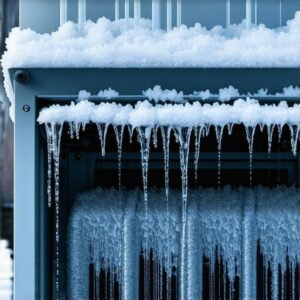
When we look at crawl space heating solutions, we are dealing with a brutal microclimate, particularly in the damp, colder regions of the Northeast and Midwest. In these environments, winter brings biting cold, but the soil beneath your home remains a constant, damp reservoir of moisture. This brings us face-to-face with a fundamental law of physics: cold air cannot hold moisture, meaning that any humidity rising from the earth immediately condenses on the coldest surfaces it finds—your floor joists, your ductwork, and your heating equipment. If you install high-efficiency furnace systems or attempt to warm this zone without proper moisture control, you are setting yourself up for an expensive mechanical disaster.
“The moisture load from an unmitigated crawl space can exceed 10 gallons of water vapor per day per 1,000 square feet of dirt floor, completely overwhelming standard indoor climate control systems.” – ASHRAE Standard 62.2 Commentary
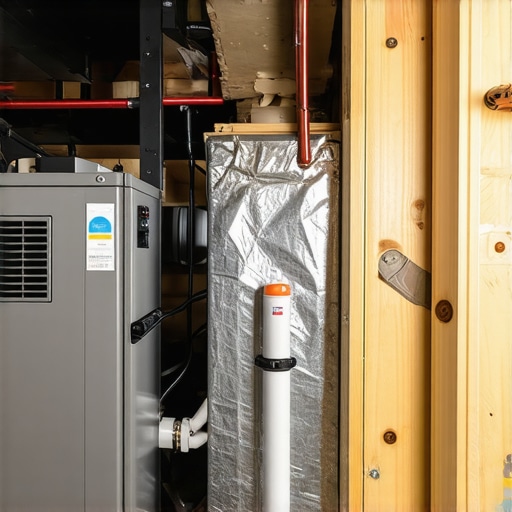
Let’s look at the thermodynamic anatomy of what happens under your floorboards. When you run a heating duct through a freezing, damp crawl space, the air inside that duct is hot—often around 120°F to 140°F. If the outer surface of that duct is exposed to a cold, saturated atmosphere, you get massive thermal bridging. The heat is stripped right out of your metal runouts before it ever reaches your register. To make matters worse, if you have any duct leakage, that warm air escapes into the crawl space, collides with the cold earth and block walls, and causes immediate condensation. This is where dehumidification services become non-negotiable. Without a dedicated machine pulling that latent load out of the air, your heating system has to work twice as hard just to cut through the heavy, wet air.
Many homeowners think they can solve this by simply throwing a portable heater under the house or slapping some cheap insulation around the pipes. Let me tell you right now, skipping professional assessments and relying on DIY tricks is a recipe for disaster. If you are using space heaters under there, you need to perform regular portable heater safety checks because high moisture levels and electricity are a deadly mix. Instead of band-aids, the real solution lies in encapsulating the space and integrating specialized dehumidifiers alongside your heating equipment. When you dry the air, you lower its thermal mass, meaning it takes significantly less energy to warm that space up and keep your floors comfortable.
“Control of water vapor is essential to prevent mold growth, structural decay, and the degradation of thermal insulation materials within building envelopes.” – International Residential Code (IRC) Section R408
When moisture levels in a crawl space skyrocket, the damage isn’t confined to rotting wood. It actively wrecks your HVAC system. Wet air is corrosive. It attacks the burner assemblies of your heating units, causing premature rusting that leads to a need for urgent furnace ignition repair when the flame sensors get coated in oxidation. The dampness also forces you to perform frequent furnace filter replacement because the media gets soggy, collapses, and chokes out your system’s airflow. If you want to keep your equipment running and avoid burning out a blower motor, you have to keep the moisture under control with a heavy-duty crawl space dehumidifier.
If you’re planning a high-efficiency furnace installation or exploring geothermal heat pump systems, the crawl space environment must be stabilized first. Many modern systems rely on balanced ventilation like heat recovery ventilators to exchange stale indoor air with fresh outdoor air. However, if that fresh air is pulled across a damp, moldy crawl space, you are essentially pumping forest-floor perfume straight into your living room. Adding a heavy-duty, low-temperature dehumidifier ensures that the air surrounding your heating equipment and ductwork remains dry, protecting your investments like steam humidifiers or solar thermal heating integration systems from working in a corrosive, swamp-like atmosphere.