
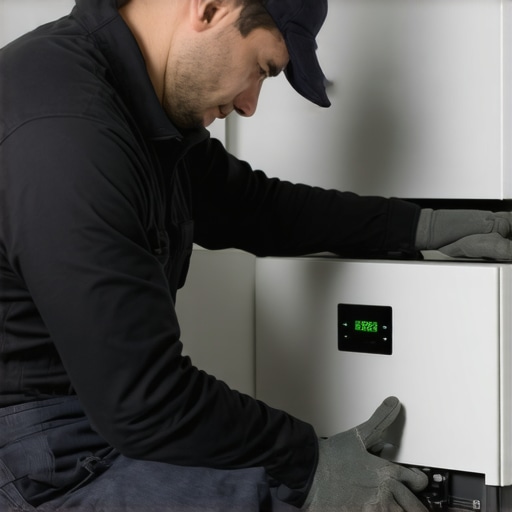
Imagine this: It’s a chilly winter evening, and suddenly, your furnace sputters and dies. The warmth that once filled your home vanishes instantly, leaving you shivering and frustrated. That moment of panic isn’t just uncomfortable; it’s a stark reminder of how vulnerable our comfort systems are if not properly maintained. I’ve been there myself — thinking I could skip a tune-up, only to face a freezing night with no heat. But here’s the truth I’ve learned: timely, reliable repairs are key to ensuring lasting home comfort, especially in 2024, when energy efficiency and dependability matter more than ever.
Why Reliable HVAC Repairs Matter More Than Ever in 2024
With the increasing unpredictability of weather patterns and rising energy costs, ensuring your heating and cooling systems are in top shape is no longer optional — it’s essential. A study by the U.S. Department of Energy highlights that proper HVAC maintenance can improve system efficiency by up to 30%, saving you money and reducing your carbon footprint. Whether you rely on a furnace, heat pump, or mini-split, the importance of dependable repairs cannot be overstated. If your system isn’t running efficiently, it’s like throwing money out the window — and risking a cold, uncomfortable home when you need warmth the most.
Have you ever faced the stress of a sudden HVAC breakdown during the coldest night of the year? If yes, you’re not alone. Many homeowners learn the hard way that ignoring small issues can lead to costly emergencies. I once tried to postpone a minor furnace repair, thinking it was just a small glitch. That mistake cost me a freezing night and a hefty repair bill. Early on, I didn’t realize that trusting unreliable technicians or neglecting routine maintenance could turn a manageable problem into a major headache. To avoid that, I now prioritize working with trusted HVAC repair experts who understand the nuances of furnace and mini-split systems — like those at Chilly Pro HVAC. Their proven results have kept my home warm and my mind at ease.
So, if you’re tired of unpredictable heating, or worried about your mini-split’s performance, stay tuned. I’ll walk you through the essential steps to ensure your system is reliable, efficient, and ready to face 2024’s challenges. From common repair myths to expert maintenance tips, I’ve got you covered. Let’s dive into what it takes to keep your home comfortably warm, no matter the season.
Assess Your System Thoroughly
Start with a detailed inspection of your HVAC system. I once noticed my heat pump was making strange noises, which I initially ignored. Instead of waiting for a breakdown, I scheduled a professional assessment. A trusted technician identified minor wear that could lead to bigger issues. Regular inspections catch small problems before they escalate, ensuring your system runs efficiently and reliably. For expert guidance, visit trusted HVAC repair results for 2024.
Prioritize Routine Maintenance
Clean and Replace Filters
Dirty filters restrict airflow, forcing your system to work harder. During my last maintenance appointment, I replaced filters that had accumulated dust, significantly improving airflow and efficiency. Set a schedule to check filters monthly, especially during peak heating or cooling seasons. This simple step prolongs your system’s lifespan and maintains consistent comfort.
Inspect and Clean Components
Ensure coils, fans, and vents are free of dust and debris. I once discovered my mini-split’s condenser coil was clogged with leaves, reducing efficiency. Cleaning these parts prevents unnecessary strain on your system. For detailed cleaning tips, see expert efficiency boost tips.
Schedule Professional Repairs Promptly
When you notice irregularities—strange noises, inconsistent temperatures, or increased energy bills—call a professional immediately. I learned this the hard way when my furnace suddenly stopped working during a cold snap. A trusted technician diagnosed a failing blower motor and repaired it swiftly, restoring warmth without delay. Rely on experts like those at Chilly Pro HVAC for dependable repairs that last.
Use Quality Replacement Parts
Always opt for OEM parts for repairs. I once tried a cheaper alternative, which failed prematurely, leading to additional costs. High-quality parts ensure durability and optimal performance. When replacing components, ask your technician about the best options for long-term reliability.
Document and Track Repairs
Keep detailed records of all service visits, parts replaced, and recommendations. This habit helps you monitor your system’s health and plan future maintenance. I maintain a digital log, which proved useful when diagnosing recurring issues and scheduling timely checkups.
Invest in Preventive Upgrades
Consider modern upgrades like smart thermostats or high-efficiency filters. These enhancements optimize your system’s performance and reduce energy costs. For tailored advice, visit reliable results for 2024.
Partner with Trusted Professionals
The cornerstone of lasting repairs is working with reputable technicians. I only trust certified experts who stand behind their work. Their knowledge and honesty have saved me from future headaches and kept my home cozy through every season. Find your trusted HVAC partner today at Chilly Pro HVAC contact page.
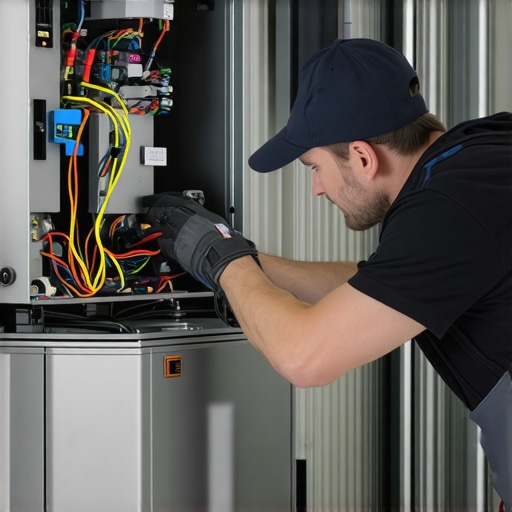
Uncovering the Hidden Nuance in HVAC Repairs: Why Myths Persist
Many homeowners operate under misconceptions about HVAC repair and maintenance, often leading to costly mistakes. A prevalent myth is that all repair parts are interchangeable or that cheaper parts always suffice. In reality, using OEM parts is crucial for longevity and performance. Cheap replacements may seem tempting initially but often fail prematurely, forcing you into repeat repairs and higher costs over time.
Advanced Repair Myths: The Oversimplification of System Efficiency
Another common misconception is that regular maintenance only involves changing filters. While filter replacement is vital, efficiency-boosting secrets include inspecting evaporator coils, cleaning condensers, and calibrating thermostats. Overlooking these nuances can lead to decreased system efficiency, higher energy bills, and eventual breakdowns. For instance, neglecting coil cleaning causes airflow restriction, reducing heat transfer and forcing the system to work harder, which can shorten equipment lifespan.
Why Do These Myths Persist?
Part of the issue lies in misinformation spread by less experienced technicians or DIY enthusiasts who underestimate system complexity. The HVAC systems in modern homes are sophisticated, often requiring specialized knowledge for troubleshooting and repairs. Relying on outdated advice or superficial fixes can cause more harm than good. As experts emphasize, trusting certified professionals ensures you get nuanced, long-lasting solutions rather than quick fixes that only mask underlying issues.
Have you ever fallen into this trap? Let me know in the comments. Remember, understanding the nuances can save you money, extend your system’s life, and ensure your home remains comfortable year-round.
Maintaining your HVAC system over time requires more than just routine checks; it demands the right tools and a strategic approach to ensure longevity and optimal performance. From advanced diagnostic equipment to specialized cleaning products, investing in high-quality tools can save you significant money and hassle in the long run.
Why I recommend using a digital infrared thermometer
This device allows me to quickly identify temperature inconsistencies across different parts of my system, such as the evaporator coil or heat exchanger. Accurate temperature readings help diagnose issues like refrigerant leaks or poor airflow, which might otherwise go unnoticed until a complete breakdown occurs. I personally rely on the FLIR TG165-X because of its precision and user-friendly interface, making it easier to spot problems early and plan repairs accordingly.
My go-to multimeter for system diagnostics
Electrical components are often the culprits behind HVAC failures. A reliable multimeter, like the
Specialized cleaning tools for long-term efficiency
Preventive maintenance is incomplete without proper cleaning. I recommend using a coil cleaning brush and a vacuum with a soft brush attachment to remove dust from evaporator and condenser coils. For tougher grime, a gentle coil cleaner like Nu-Calgon 4171-75 Evap-Coil Cleaner is effective without damaging delicate fins. Keeping coils clean improves heat transfer, reduces energy consumption, and minimizes wear on components.
How do I maintain my HVAC tools over time?
Proper storage and calibration are crucial. Store tools in a dry, organized space to prevent damage. Regularly calibrate electronic devices to maintain accuracy, especially after extensive use. Replace worn-out parts like batteries and protective covers to ensure safety and reliability. Additionally, keep detailed logs of your tool maintenance, which helps track performance and plan replacements or upgrades proactively.
Looking ahead, I predict that the trend toward smart diagnostic tools will continue to grow. Devices integrated with IoT technology will offer real-time system insights, enabling even more precise maintenance and repairs—making DIY diagnostics easier and more effective. To stay ahead, I recommend trying out a smart sensor kit like the smart HVAC sensor kit, which can provide valuable data about your system’s health remotely and help catch issues early before they become costly emergencies.
The Hardest Lesson I Learned About HVAC Repairs
Early in my HVAC journey, I believed that quick fixes were enough to keep my system running smoothly. I overlooked the importance of thorough diagnostics and trusted superficial repairs, which led to recurring issues and higher costs. Now, I understand that investing in proper diagnosis and quality parts is crucial for long-term reliability.
3 Myths About HVAC Maintenance That Held Me Back
One major misconception was that changing filters was all I needed to do. In reality, neglecting coil cleaning, system calibration, and electrical inspections can drastically reduce efficiency and lifespan. Busting these myths has empowered me to adopt a more comprehensive maintenance routine, saving money and avoiding breakdowns.
What Experts Won’t Tell You About HVAC System Longevity
Many technicians don’t emphasize the value of documenting repairs and upgrades. Keeping detailed records helps in troubleshooting recurring problems and planning future maintenance. Trusting seasoned professionals who prioritize transparency has made a significant difference in my home’s comfort and my peace of mind.
Curated Recommendations for HVAC Enthusiasts
1. FLIR TG165-X Infrared Thermometer: This tool helps me quickly identify temperature inconsistencies, catching issues like refrigerant leaks early. I trust its accuracy for preventive diagnostics.
2. Fluke 117 Multimeter: Essential for electrical troubleshooting, this multimeter ensures all connections are solid, preventing unexpected outages and extending system life.
3. Nu-Calgon 4171-75 Evap-Coil Cleaner: A gentle yet effective coil cleaner that keeps heat transfer optimal, reducing energy consumption and wear on components.
4. Trusted HVAC Resources: I rely on comprehensive guides and professional services to stay updated with the latest maintenance techniques and industry standards.
Your Turn to Try
Now, it’s your chance to take control of your HVAC system. Whether it’s routine maintenance or troubleshooting a tricky issue, arming yourself with knowledge and the right tools makes all the difference. Remember, reliable repairs are the backbone of a comfortable, energy-efficient home in 2024 and beyond.
What’s the biggest HVAC challenge you’ve faced so far? Share your experience below and let’s learn from each other!


This post really hits home, especially the part about trusting reliable HVAC technicians. I had a similar experience where I neglected routine maintenance and ended up facing a sudden breakdown during a cold snap. It was a lesson in how critical proactive inspections are—small issues like dirty filters or minor wear can snowball into major repairs if ignored. I’ve started scheduling seasonal checks and investing in quality parts, which really minimizes unexpected failures. I’m curious—what’s everyone’s approach to scheduling regular maintenance without it feeling like a chore? Do you find certain tools or apps helpful for reminders? Personally, I’ve found setting calendar alerts and using maintenance logs keeps me on track. Also, I’d love to hear if others use any specific diagnostic tools, like infrared thermometers or multimeters, in their routine checks. Sharing these tips might help folks avoid costly surprises, especially as we gear up for colder months.