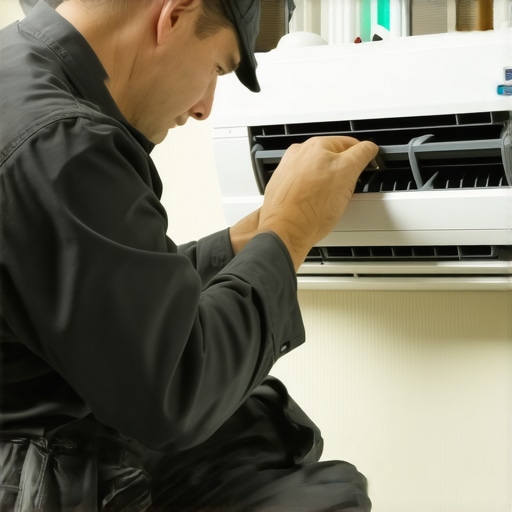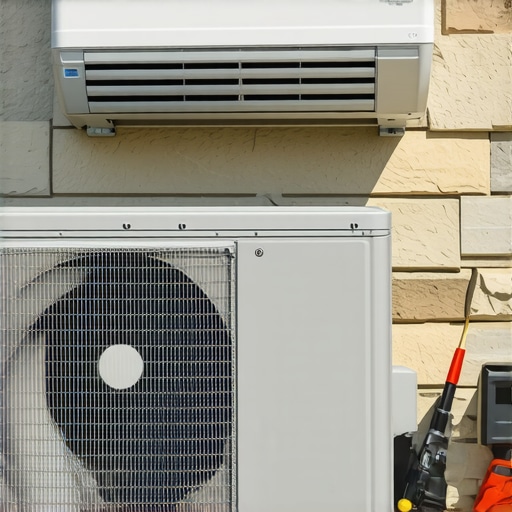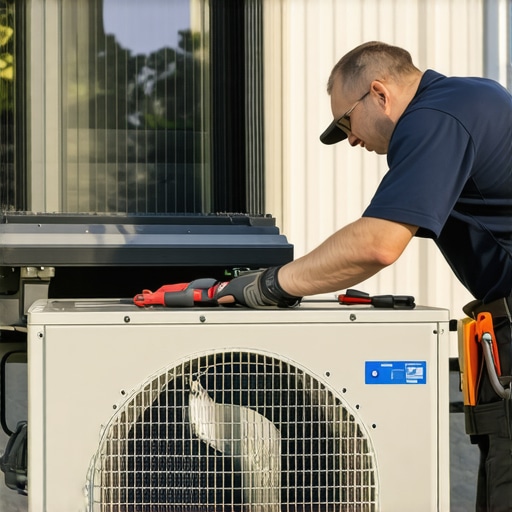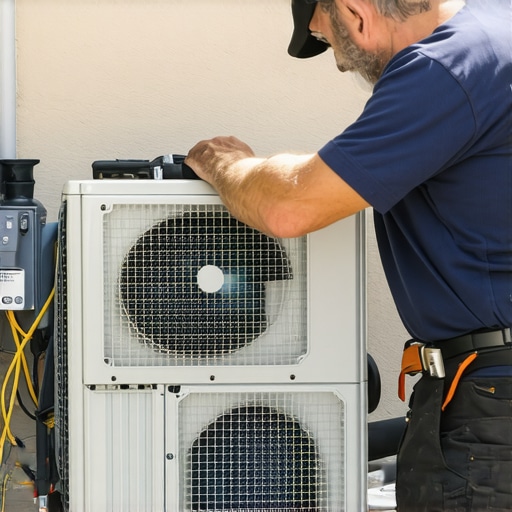
Last summer, I found myself sweating under a malfunctioning mini-split that refused to cool my living room. It was one of those moments where I realized how much I rely on my HVAC system not just for comfort, but for peace of mind. That frustrating experience became my wake-up call about the importance of knowing how to keep these systems running smoothly. If you’ve ever faced a sudden heatwave or a chilly winter night, you know how critical a reliable heat pump or mini-split becomes. Today, I’m here to share what I’ve learned from my own mishaps and how you can avoid the same pitfalls with expert repair tips and maintenance strategies for 2024.
Why Reliable HVAC Repairs Matter More Than Ever in 2024
In recent years, the demand for efficient, long-lasting heating and cooling solutions has skyrocketed. With energy costs climbing and climate unpredictability increasing, ensuring your mini-split or heat pump operates at peak performance isn’t just about comfort — it’s about saving money and reducing your carbon footprint. A well-maintained system can last years longer, perform better, and save you from costly emergency repairs. But here’s the catch: many homeowners overlook basic upkeep or fall for common myths that lead to bigger problems down the line. As I learned early on, jumping into DIY fixes without proper knowledge can backfire. I once tried to fix a refrigerant leak myself, only to make it worse. Trust me, knowing where to turn for reliable service and understanding the right maintenance steps can save you a lot of stress and money.
Have You Ever Faced This Frustration?
If you’ve ever experienced a sudden system failure or paid for expensive repairs that could have been avoided, you’re not alone. I’ve been there, and I want to help you avoid the same costly mistakes. Keep reading to learn proven strategies for maintaining your HVAC system, troubleshooting common issues, and choosing the right professionals for lasting results. Remember, the key is proactive care — not waiting until it’s too late. For more tips on how to boost your system’s efficiency, check out HVAC repair secrets for 2024.
Now, let’s dive into the practical steps that will help you keep your mini-split and heat pump running smoothly all year round, so you can enjoy consistent comfort without unnecessary stress.
Test Your System Regularly and Keep a Repair Log
One of the first things I did was set a monthly reminder to check my mini-split or heat pump for unusual noises, leaks, or inconsistent cooling. During one inspection, I noticed a slight hissing sound that wasn’t there before. Instead of ignoring it, I documented the issue and scheduled a professional inspection. This proactive approach saved me from a costly refrigerant leak down the line. Maintaining a repair log helps you track recurring problems and anticipate future needs, making maintenance more manageable. For detailed troubleshooting tips, visit Mini-Split Troubleshooting.
Learn Basic Maintenance Skills to Save Money
Changing filters is the simplest yet most crucial step. I remember a time I ignored this task, and my system’s efficiency dropped drastically. After replacing the filters, my system ran smoother and used less energy. Also, gently cleaning the coils and removing debris from around the outdoor unit can prevent overheating and improve performance. Think of it like changing your car’s oil — regular upkeep prevents major breakdowns. To get more tips, check out Heat Pump Maintenance.
Address Minor Repairs Before They Escalate
If you notice uneven heating or cooling, it might be a sign of a failing capacitor or thermostat issues. During my last repair, I replaced a faulty capacitor myself after watching a quick tutorial. The system responded perfectly afterward. However, I avoided attempting refrigerant refills or electrical diagnostics beyond my skill level. For those complex issues, always trust licensed professionals. My experience taught me that quick fixes can sometimes delay the inevitable, so knowing when to call a pro is key. For trusted service, visit Trusted HVAC Repair.
Schedule Professional Maintenance Annually
Once a year, I schedule a comprehensive checkup with a licensed technician. They inspect refrigerant levels, electrical connections, and system controls. During one service, a technician identified a minor refrigerant leak that I wouldn’t have spotted myself. Fixing it early prevented a complete system shutdown during a heatwave. Regular professional tune-ups prolong your system’s lifespan and improve efficiency. To find reliable technicians in your area, visit Reliable HVAC Repairs.
Use Proper Tools and Safety Measures
When performing basic maintenance, always wear safety gear and use appropriate tools. I invested in a set of insulated screwdrivers and a multimeter, which made diagnosing electrical issues safer and easier. Never attempt to open sealed refrigerant lines or handle electrical components without proper training. Think of it like working with high-voltage wiring — safety first. For more detailed safety tips, see Expert Troubleshooting.
Know When to Call Professionals
Despite my DIY efforts, I learned my limits after attempting to repair a refrigerant leak. The pressure was too high, and I risked injury. That’s when I called a licensed technician, who fixed it safely and efficiently. Recognizing the signs of complex issues — like persistent system failure, strange odors, or electrical sparks — is vital. Always prioritize safety and professional expertise for major repairs. To find trusted experts, check Trusted HVAC Repair Results.
Many homeowners operate under misconceptions about HVAC systems, especially heat pumps and mini-splits, which can lead to costly mistakes. One widespread myth is that all repairs are DIY-friendly, but in reality, attempting complex fixes without proper training can cause more harm than good. For example, handling refrigerant leaks or electrical diagnostics without certification can not only damage your system but also pose safety risks. According to industry experts, such as those at Chilly Pro HVAC, trusting licensed professionals for complex repairs ensures safety and longevity for your equipment.
Are DIY Repairs Always Cost-Effective
Another common misconception is that DIY fixes save money. While simple tasks like filter replacement or coil cleaning are manageable, many homeowners underestimate the complexity of issues like refrigerant refills or electrical component replacements. Incorrectly performing these repairs can lead to system inefficiency, higher energy bills, or complete system failure. An advanced mistake is ignoring the importance of proper diagnostic tools and techniques, which professionals are trained to use. For instance, a technician’s ability to accurately measure refrigerant pressure and electrical voltages is critical for proper troubleshooting. Skipping this step may seem economical but often results in repeat failures and higher expenses over time.
Make Your System Last Longer by Understanding Nuances
One nuance many overlook is the significance of proper refrigerant management. Low refrigerant levels don’t just reduce cooling efficiency; they can also cause compressor damage if not addressed promptly. This is why annual professional inspections are vital—they help identify subtle issues before they escalate. Moreover, understanding the difference between system components, like capacitors and contactors, can help you better communicate with technicians and recognize early signs of failure. For example, a failing capacitor can cause intermittent performance issues, but homeowners often mistake this for a dirty filter or thermostat problem. Recognizing these nuances can extend your HVAC system’s lifespan significantly.
Have you ever fallen into this trap? Let me know in the comments. Being aware of these misconceptions and nuances can save you money and ensure your system runs smoothly for years to come. For more expert tips, visit HVAC repair secrets for 2024.
Keeping your HVAC system in peak condition requires the right tools and a proactive approach to maintenance. Over the years, I’ve found that investing in specific equipment not only simplifies troubleshooting but also saves time and money in the long run. One of my go-to tools is a high-quality digital multimeter. I personally rely on the Fluke 117 for its accuracy and durability, especially when diagnosing electrical issues such as faulty capacitors or wiring problems. Its ability to measure voltage, current, and resistance helps me quickly identify potential faults without guesswork. Tip: Always ensure your multimeter is rated for HVAC work to prevent damage and ensure safety.
Another essential device I use regularly is a refrigerant leak detector. I prefer the Inficon D-TEK Select because of its sensitivity and ease of use. Detecting refrigerant leaks early can prevent system failure and costly repairs, which is why I check refrigerant lines during routine maintenance sessions. Additionally, a set of insulated screwdrivers allows me to safely work on electrical connections without risk of shorts or shocks, which is critical when handling live circuits. Pro Tip: Keep your tools organized and calibrated; precision tools make diagnosing issues more straightforward and accurate.
Beyond hardware, software plays a crucial role. I recommend using HVAC diagnostic apps like HVAC Check & Charge, which helps record system parameters and generate maintenance reports. This digital record-keeping makes it easier to track recurring issues and plan future repairs or upgrades. As technology advances, I predict more systems will integrate smart diagnostics, allowing remote monitoring and instant alerts for anomalies, reducing downtime and extending equipment life.
How do I maintain my HVAC system over time?
Regular maintenance is the backbone of long-term HVAC reliability. Set a schedule to inspect and clean filters, coils, and drainage pans monthly. For more comprehensive care, consider annual professional tune-ups, where experts will check refrigerant levels, electrical components, and system controls. Implementing a maintenance checklist and logging each service helps identify patterns and prevent minor issues from escalating. Remember, preventive care is always cheaper than emergency repairs, and it keeps your system running efficiently.
To stay ahead, I also recommend investing in a reliable system monitoring device, like the Sense Energy Monitor, which can track power consumption and help identify inefficiencies or potential failures early. As smart home integration becomes more prevalent, such tools will become even more vital for maintaining optimal performance with minimal effort.
If you want to take your HVAC maintenance to the next level, try calibrating your multimeter regularly and using leak detection devices during routine inspections. These small but impactful steps can significantly extend your system’s lifespan and ensure reliable comfort year-round. For more expert tips, visit HVAC repair secrets for 2024.
The Hardest Lesson I Learned About HVAC Maintenance
One of my biggest wake-up calls was realizing that even simple DIY repairs can backfire if you don’t fully understand the system. I once tried to fix a refrigerant leak myself, only to make the problem worse. It taught me that knowing your limits and trusting professionals for complex issues saves time, money, and your system’s longevity.
Three Myths About HVAC Repairs That Held Me Back
- Myth: All repairs are DIY-friendly.
Truth: Complex diagnostics, refrigerant handling, and electrical work require professional skills and certification. - Myth: DIY fixes always save money.
Truth: Incorrect repairs can lead to higher costs and system failure, making professional service more economical in the long run. - Myth: Regular maintenance isn’t necessary if everything seems fine.
Truth: Small issues ignored can escalate, causing costly repairs or replacements later.
What Experts Won’t Tell You About HVAC Longevity
Understanding nuances like refrigerant levels and component wear can extend your system’s lifespan. A minor refrigerant leak caught early during a professional inspection prevented a full system shutdown. Recognizing signs like flickering capacitors or strange noises can help you act before a small problem turns into a disaster. Trusting qualified technicians and knowing when to step back from repairs ensures your HVAC system keeps running smoothly for years.
My Essential Toolkit for HVAC Maintenance
- High-Quality Multimeter: I rely on the Fluke 117 for accurate electrical diagnostics, which helps prevent electrical failures and safety hazards.
- Refrigerant Leak Detector: The Inficon D-TEK Select has been invaluable for early leak detection, saving me from bigger issues later.
- Insulated Screwdrivers: They make electrical work safer and easier, especially when handling live circuits.
- HVAC Diagnostic Apps: Tools like HVAC Check & Charge help me keep detailed records and track recurring issues, improving my maintenance routine.
Take Action and Keep Your HVAC System Running Smoothly
Every homeowner can make a difference by understanding their HVAC system’s nuances and investing in proper tools. Regular inspections, timely repairs, and trusting licensed professionals when needed can significantly extend your system’s lifespan. Remember, proactive care isn’t just about comfort — it’s about smart savings and peace of mind. Ready to take control of your HVAC maintenance? Share your experiences or ask for expert guidance below. And if you want reliable repairs and expert advice, visit HVAC repair secrets for 2024.