
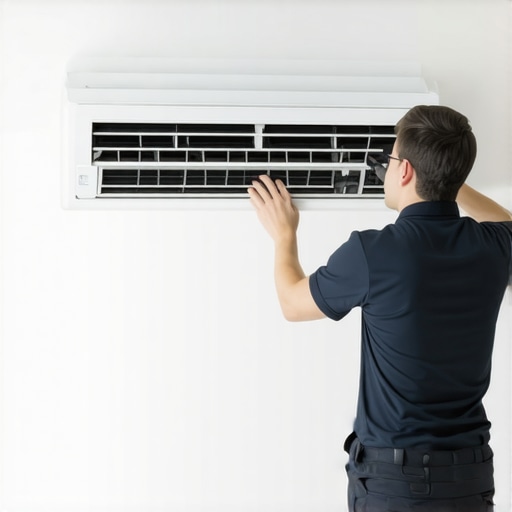
I remember the first summer I struggled with my home’s air conditioning. It was a relentless heatwave, and my old HVAC system just couldn’t keep up. The frustration was real — constant repairs, uneven cooling, and soaring energy bills. That moment sparked a lightbulb: I needed a smarter solution, not just a quick fix. Over time, I discovered that understanding effective HVAC repair and mini-split systems can transform your comfort and save you money. If you’ve ever faced that oppressive heat with a malfunctioning AC, you’re not alone. Today, I’m going to share proven strategies to make your home a cool sanctuary, for good.
Assess the System Thoroughly
Start by diagnosing your HVAC system like a detective solving a mystery. Turn on your unit and listen for unusual noises or vibrations. Check for uneven cooling or heating, which often signals underlying issues. For example, I once noticed my mini-split struggling to cool a room despite running constantly. I learned that a clogged filter or refrigerant leak could be the culprit. Regularly inspecting components ensures you catch problems early before they escalate.
Inspect and Clean Filters and Coils
Clogged filters and dirty coils are common culprits behind inefficiency. Remove filters and clean or replace them every 1-3 months. Use a soft brush or vacuum for coils, making sure to turn off the power first. I once neglected this step, and my system’s performance plummeted. Cleaning filters and coils restored efficiency and lowered my energy bills.
Implement Targeted Repairs
Address specific issues identified during diagnosis. For refrigerant leaks, sealed units or professional recharging are necessary. Faulty thermostats may need recalibration or replacement. When my thermostat misread room temperature, I replaced it with a smart model, which improved comfort and control. Always use quality replacement parts to ensure longevity.
Replace Faulty Components Carefully
Always disconnect power before replacing parts. Use the manufacturer’s guidelines or trusted tutorials to avoid mistakes. For example, I replaced a faulty capacitor myself, following an online guide. The process was messy but rewarding—saving money and learning a valuable skill. If unsure, consult a professional to avoid damaging your system.
Optimize System Efficiency
Maximize your system’s performance by scheduling regular maintenance. Consider upgrading to a mini-split if your current system is outdated or inefficient. Mini-splits offer zoned cooling and are easier to install. I installed a mini-split in my home office, which provided direct comfort without cooling the entire house. To ensure lasting results, follow expert tips on maintenance and troubleshooting, like those found here.
Monitor Performance and Adjust Settings
Use smart thermostats to fine-tune temperature settings and reduce energy waste. Regularly check for new issues or decreased performance. During a hot spell, I adjusted my mini-split’s settings for optimal efficiency, which kept my energy bills manageable. Remember, small adjustments can lead to significant savings and comfort over time.
Seek Professional Help When Needed
Sometimes, DIY steps aren’t enough. If your system exhibits persistent problems, contact certified HVAC technicians. They have the tools and expertise to perform comprehensive repairs, like refrigerant recharging or compressor replacement. I once tried to repair my system, but a professional’s touch was necessary to restore full function. For trusted, guaranteed repairs, visit here.
Many homeowners operate under misconceptions about HVAC repair, often leading to costly mistakes. One of the most persistent myths is that all repairs are straightforward and can be done without professional help. In reality, attempting DIY fixes on complex components like refrigerant lines or compressors can cause further damage, resulting in higher expenses and longer downtime. For instance, I once tried to recharge my mini-split system myself, only to realize I lacked the proper tools and knowledge. This mistake delayed proper repair and increased my costs. Always consider consulting trusted experts for repairs — their experience and specialized tools make a significant difference. You can find expert guidance and reliable service here.
Why Do Some Repairs Fail to Fix the Issue?
A common trap is misdiagnosing the problem. For example, replacing a thermostat without properly testing the system might not solve the cooling issue if the real culprit is a refrigerant leak or faulty compressor. A thorough diagnosis is crucial before any repair. Rushing into repairs based on assumptions often leads to wasted time and money. An advanced approach involves detailed troubleshooting, which can identify hidden issues that simple fixes overlook. This nuance is vital — many homeowners miss it because of the myth that basic troubleshooting is enough. Professional HVAC technicians use sophisticated diagnostic tools to get to the root of problems, ensuring repairs are effective the first time. Want to avoid costly mistakes? Check out expert troubleshooting tips.
Maintenance Is Just About Changing Filters
Another misconception is that changing filters is all maintenance requires. While filters are essential, neglecting other components like coils, refrigerant levels, and electrical connections can undermine your system’s efficiency. Dirty coils, for example, reduce heat exchange, causing your system to work harder and consume more energy. Regular professional inspections can catch issues early before they escalate. I learned this the hard way when my system suddenly broke down because of neglected coil cleaning. Routine maintenance by skilled technicians not only prevents breakdowns but also extends the lifespan of your HVAC system. For comprehensive maintenance advice, visit this detailed guide.
Finally, understanding the nuances of HVAC repair helps avoid these common pitfalls. Don’t fall for myths that could cost you more in the long run. Instead, rely on professional expertise and regular maintenance to keep your system running smoothly. Have you ever fallen into this trap? Let me know in the comments.
Keeping your HVAC system running smoothly over the years requires more than just occasional fixes; it demands the right tools, consistent maintenance routines, and a proactive mindset. As a homeowner who’s been through the ups and downs of HVAC repair, I can confidently say that investing in quality equipment and adopting effective practices makes a significant difference in longevity and performance.
Invest in a Digital Manometer for Accurate Refrigerant Checks
A digital manometer is my go-to tool when diagnosing refrigerant pressures. Unlike analog gauges, digital models provide precise readings, helping identify leaks or low refrigerant levels quickly. I personally use the Heat Pump & Mini Split Service Tool because its accuracy and ease of use save me time and prevent misdiagnoses. Regularly checking refrigerant pressures with this tool ensures your system maintains optimal efficiency, reducing the risk of costly repairs down the line.
Use a High-Quality Multimeter to Track Electrical Components
Electrical issues are often the root cause of HVAC failures. I rely on a reliable multimeter, such as the Fluke 117, to test voltage, continuity, and resistance. This helps me troubleshoot contactors, capacitors, and wiring without guesswork. Proper electrical checks prevent unnecessary replacements and ensure safety. For detailed troubleshooting tips, I recommend reading expert troubleshooting guides.
Maintain a Maintenance Log to Track System Performance
Staying organized is crucial. I keep a digital log of maintenance activities, repairs, and part replacements. Apps like Google Keep or Evernote work well for tracking filter changes, coil cleanings, and technician visits. This habit helps me spot patterns, schedule proactive inspections, and avoid surprises. As systems age, this record-keeping becomes invaluable for diagnosing recurring issues and planning upgrades.
Tools I Recommend for DIY Maintenance
Beyond diagnostic tools, a few essential items make DIY maintenance safer and more effective. A soft brush and coil cleaner help keep heat exchange surfaces clean, while a vacuum with a brush attachment simplifies filter replacements. Always remember to switch off power before working on your HVAC system to prevent shocks or damage. For comprehensive maintenance, consider consulting this detailed guide.
Future of HVAC Maintenance Tools
Looking ahead, I predict smart diagnostic devices integrated with IoT technology will become standard. These tools will automatically monitor system health, alert homeowners to issues, and even suggest repairs remotely. Staying ahead means embracing these innovations early, which can save time and money in the long run.
How do I maintain HVAC tools over time?
Proper storage, regular calibration, and cleaning are essential. Keep your multimeter and refrigerant gauges in a dry, dust-free environment, and periodically check their accuracy against known standards. Proper maintenance of your tools ensures reliable readings and extends their lifespan. Try calibrating your devices annually or after any rough handling. For detailed maintenance tips, visit this resource.
Don’t overlook the importance of using the right tools for each task. Investing in quality equipment not only makes repairs easier but also helps keep your HVAC system in peak condition for years to come. Ready to improve your maintenance routine? Start by adding a digital manometer to your toolkit today!
Throughout my years of homeownership, I’ve learned that the most valuable lessons about HVAC repair often come from unexpected challenges and mistakes. Here are some insights I wish I had known earlier that could save you time, money, and frustration.
The Hardest Lesson I Learned About HVAC Repair
One of the toughest lessons was realizing that DIY repairs are tempting but can sometimes do more harm than good. I once tried to recharge my mini-split refrigerant myself, only to find out I lacked the proper tools and knowledge. This mistake led to a costly professional fix later. Now I understand that complex systems require professional diagnostics to avoid unnecessary expenses.
3 Myths About HVAC Repair That Held Me Back
Myth one: All repairs are simple and quick. In reality, some issues, like refrigerant leaks or compressor failures, need specialized skills and tools. Myth two: Regular filter changes are enough maintenance. Actually, coils, electrical components, and refrigerant levels also need regular checks. Myth three: If the system runs, it’s fine. Running inefficiently can waste energy and shorten lifespan without obvious signs.
What Experts Won’t Tell You About HVAC Troubleshooting
Many homeowners overlook the importance of proper diagnosis. I used to assume a thermostat issue was the culprit, but often, the real problem was a refrigerant leak or electrical fault. Professional HVAC technicians use advanced diagnostic tools, like digital manometers and multimeters, to pinpoint problems accurately. Investing in these tools and learning basic troubleshooting can help you prevent misdiagnoses and unnecessary repairs.
Curated Recommendations for HVAC Success
My essential toolkit includes a high-quality digital manometer for refrigerant checks, a reliable multimeter for electrical troubleshooting, and a maintenance log app to track repairs and inspections. I trust these because they provide precise, trustworthy readings that help me maintain my system effectively. Additionally, reading comprehensive guides like this one has significantly improved my DIY skills.
Let Your Passion for Comfort Drive You Forward
Taking control of HVAC repair isn’t just about saving money; it’s about creating a home environment where you feel relaxed and confident. Remember, every challenge is an opportunity to learn and improve. Embrace the process, invest in quality tools, and don’t hesitate to seek professional help when needed. Your home’s comfort depends on it!
What’s been your biggest lesson in HVAC repair? Share your experiences below and let’s learn from each other!
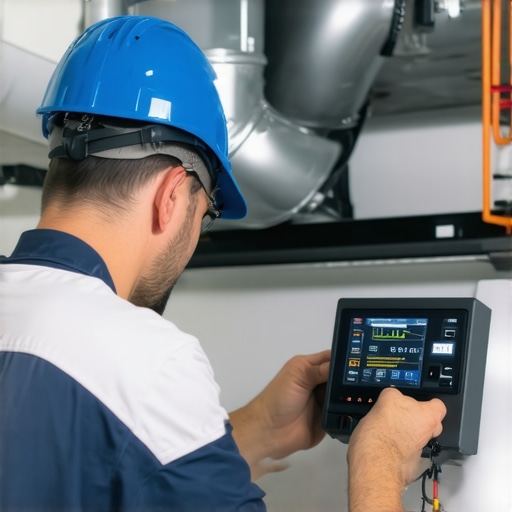
Reading through this post really resonated with me, especially the part about diagnosing HVAC issues like a detective. I’ve had my fair share of frustrations trying to troubleshoot my mini-split system when it started making strange noises and wouldn’t cool properly. What I learned the hard way was how critical it is to use the right tools—like a digital manometer and a reliable multimeter—for accurate diagnosis. I once attempted a DIY refrigerant recharge without the proper equipment, which only complicated the problem and led to an expensive repair. It made me realize that investing in quality diagnostic tools not only saves money but also gives peace of mind.
I’m curious—what’s your opinion on when homeowners should definitely call in a professional versus troubleshooting DIY? In your experience, are there specific signs that clearly indicate a DIY fix might do more harm than good? Sharing these insights could help many homeowners decide when it’s time to seek expert help and avoid costly mistakes.
This post hits on a crucial point—accurate diagnosis can make or break your HVAC repair efforts. From my own experience, I’ve found that trying to DIY complex issues like refrigerant leaks without proper tools often leads to more frustration and higher costs. I started with a basic DIY approach, but I quickly realized I was out of my depth, especially when systems didn’t respond as expected. The guidance here about using high-quality diagnostic tools like digital manometers and multimeters really makes sense for more precise troubleshooting.
In my view, homeowners should consider calling a professional if they notice persistent or worsening symptoms such as unusual noises, inconsistent temperatures, or if the system is constantly cycling. Do others agree that these signs indicate it’s time for expert help? Also, what’s everyone’s take on regular maintenance versus reactive repairs? I’ve learned that proactive checks, especially for refrigerant levels and electrical components, save a lot of hassle down the line. Would love to hear your strategies on balancing DIY efforts with professional inspections to keep systems running smoothly.