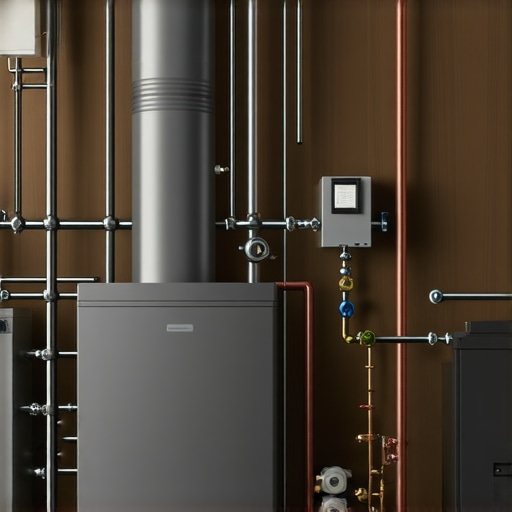
There was a night last winter when I woke up shivering, despite my furnace humming quietly in the corner. I had trusted it to keep my family warm, but suddenly, it was failing me. That lightbulb moment hit hard — I realized how much I depend on my HVAC system not just for comfort, but for my peace of mind. Since then, I’ve learned that the key to a cozy home isn’t just about having a heater or air conditioner, but about ensuring those systems are reliable and well-maintained. Today, I want to share how you can avoid the same panic and achieve lasting comfort in 2024.
Why Reliable HVAC Repairs Matter More Than Ever
It’s easy to take our heating and cooling systems for granted, until they break down when we least expect. The truth is, a small issue can snowball into costly repairs or complete system failure if not addressed promptly. According to the Department of Energy, regular HVAC maintenance can improve system efficiency by up to 30%, saving you money and stress in the long run. I’ve seen firsthand how neglecting simple tune-ups or ignoring early warning signs can lead to expensive emergencies. That’s why investing in trusted repair results now can make all the difference, especially as 2024 brings new energy efficiency standards and tech innovations.
Have you ever faced a sudden breakdown with no idea who to call? Or worse, trusted a quick fix and paid the price later?
I made that mistake early on — trusting a cheap repair that didn’t last. It cost me more in the end. But I’ve since learned that choosing the right professionals guarantees long-lasting results. Reliable repairs aren’t just about fixing the problem; they’re about ensuring your system runs smoothly for years to come. For comprehensive advice, check out HVAC repair tips to boost efficiency. And if you’re unsure whether your system needs urgent attention, don’t hesitate to reach out through our contact page.
Start With a Precise Inspection
The first step I took was to schedule a thorough inspection of my HVAC system. Think of it like a mechanic diagnosing a car before fixing it; I called a trusted technician through our contact page. During the visit, they checked components, listened for unusual noises, and looked for signs of wear. This process is crucial because it prevents unnecessary repairs and pinpoints the root cause of issues, saving you time and money in the long run.
Implement Preventive Maintenance
Once the diagnosis was complete, I learned that regular maintenance is the cornerstone of durability. Scheduled tune-ups involve cleaning filters, inspecting electrical connections, and testing system controls. It’s like giving your HVAC system a physical check-up—preventing small problems from escalating. For detailed tips on heat pump maintenance, visit this comprehensive guide. Consistent upkeep not only extends lifespan but also improves efficiency, which directly translates to lower energy bills.
Choose Certified Repairs and Parts
When repairs are needed, I exclusively relied on certified parts and technicians. Think of it as choosing high-quality ingredients for a recipe—better results and longer-lasting. I avoided cheap, generic replacements that often lead to recurring problems. Instead, I selected parts that meet original manufacturer standards, ensuring compatibility and durability. For trusted repair services, check out this trusted provider. This way, my system performed reliably and efficiently, reducing the chance of an emergency in the cold months.
Monitor System Performance Regularly
After repairs and maintenance, I set a schedule for regular monitoring. This involves checking for unusual vibrations, leaks, or temperature inconsistencies. It’s like keeping an eye on your health—early detection prevents major setbacks. I used simple tools like a thermometer and visual inspections, but for more advanced tips, visit this troubleshooting guide. Consistent vigilance ensures that small issues are caught before they become costly repairs, securing my comfort throughout the year.
Document and Track Maintenance History
Another step I found invaluable was keeping detailed records of all inspections, repairs, and parts replaced. Think of it as a health journal for your HVAC—helps in diagnosing recurring issues and planning future maintenance. Using a simple spreadsheet or notebook, I logged dates, services performed, and technicians’ notes. This record-keeping made it easier to spot patterns and was useful when consulting professionals. For professional advice on system longevity, explore this detailed resource. Proper documentation supports reliable repairs and maximizes your system’s lifespan, ensuring lasting comfort in 2024 and beyond.
Many homeowners fall prey to misconceptions about HVAC repairs that can lead to costly mistakes. While it’s tempting to rely on quick fixes or outdated beliefs, understanding the nuances of HVAC maintenance and repair can save you money and ensure your system runs efficiently. Let’s dig deeper into some of these hidden pitfalls to help you make smarter decisions in 2024.
Why Most People Overlook the Importance of Proper Diagnostics
One of the biggest myths is that a simple visual inspection or a quick fix can solve all HVAC problems. In reality, advanced diagnostics are crucial for identifying underlying issues that aren’t immediately obvious. Skipping this step often results in recurring failures and unnecessary expenses. Certified professionals use specialized tools to detect problems with electrical components, refrigerant levels, or airflow that could otherwise be missed. For example, neglecting to perform a comprehensive diagnostic might lead you to replace parts prematurely or ignore core issues, ultimately costing more. To avoid this trap, always insist on a detailed inspection from experienced technicians. For more insights, visit this guide on boosting HVAC efficiency.
Beware of the Myth That All Repairs Are Equal
A common mistake is thinking that any repair technician will do, or that using generic parts won’t impact system longevity. In fact, the quality of repairs and parts significantly influences your system’s durability. Low-quality replacements may seem cost-effective initially but can lead to frequent breakdowns and higher long-term costs. Choosing certified parts that meet original manufacturer standards and hiring licensed, experienced technicians ensures your system performs optimally. This is especially important for complex systems like heat pumps or mini-split units, where compatibility and quality matter immensely. For trusted repair providers, explore this trusted HVAC expert network.
Advanced Question: How Can Homeowners Effectively Balance Cost and Quality in HVAC Repairs?
Balancing cost and quality requires understanding that the cheapest option isn’t always the best. Prioritize repairs that address root causes rather than temporary fixes. Invest in systems and parts that meet or exceed industry standards, and seek out technicians with proven track records. Regular maintenance and diagnostics are key to catching issues early and preventing expensive emergencies. Remember, cutting corners on repairs might save money upfront but can jeopardize your system’s lifespan and efficiency. For a comprehensive approach, consider reviewing this heat pump maintenance guide and setting up a regular maintenance schedule with trusted professionals.
Have you ever fallen into this trap? Let me know in the comments!
Gear Up for Longevity: Tools I Trust for HVAC Maintenance
Keeping your HVAC system running smoothly over time requires the right tools and a strategic approach. I personally rely on a few key pieces of equipment that have proven invaluable in diagnosing, maintaining, and repairing my systems. One of the most essential tools is a high-quality digital manifold gauge set. This device allows me to precisely measure refrigerant pressures, which is critical for mini-split and heat pump systems. I prefer the Yellow Jacket digital manifold because of its reliability and ease of use, helping me identify leaks or refrigerant issues before they escalate.
Another indispensable item is a digital multimeter. Accurate electrical diagnostics are fundamental to avoiding unnecessary repairs and ensuring system safety. I use the Fluke multimeter for its durability and precision, especially when testing thermostats, relays, or capacitors. These tools empower me to troubleshoot effectively and keep my systems functioning at peak performance.
For cleaning and preventive maintenance, I recommend a good set of brushes, vacuum attachments, and a microfiber cloth. Regularly cleaning filters, coils, and vents keeps airflow unobstructed and reduces strain on the system. I swear by a handheld vacuum with a crevice tool to reach tight spots, ensuring that dirt and debris don’t impede operation. Incorporating a flashlight with adjustable brightness also helps me inspect hard-to-see components during routine checks.
Where Do I See HVAC Maintenance Going in the Future?
Looking ahead, I believe smart diagnostics will become a game-changer. Devices equipped with IoT sensors and connectivity features will enable homeowners and technicians to monitor system health remotely, receive real-time alerts, and perform predictive maintenance. As technology advances, I predict a shift toward integrated systems that automate routine checks and even order parts automatically when issues are detected, minimizing downtime and repair costs. Staying ahead of this trend means investing in compatible tools and staying informed about the latest innovations.
How do I maintain HVAC tools over time?
Proper maintenance of your diagnostic and repair tools is crucial for accuracy and longevity. Regularly calibrate your multimeter and manifold gauges according to manufacturers’ instructions—this ensures readings stay precise. Store tools in a clean, dry environment to prevent corrosion or damage, and inspect them periodically for wear or malfunction. Replacing worn-out batteries and cleaning sensor contacts maintains performance. By caring for your tools, you’ll ensure they serve you well for years, making maintenance easier and more reliable.
Ready to optimize your HVAC maintenance routine? Try calibrating your multimeter or cleaning your refrigerant gauges with this detailed troubleshooting guide. Regularly using high-quality tools and staying proactive can dramatically extend your system’s lifespan and improve efficiency. Don’t underestimate the power of investing in the right equipment—your comfort depends on it!
The Hardest Lesson I Learned About HVAC Maintenance
One of my biggest realizations was that even the most advanced HVAC system can fail prematurely if overlooked. I once ignored a minor refrigerant leak, thinking it was a small issue, only to face a complete system breakdown a few months later. That experience taught me that regular diagnostics aren’t just a recommendation—they’re a necessity for avoiding costly surprises.
My Go-To Resources for Deep HVAC Knowledge
Over time, I found that trusted tools and expert insights are the backbone of reliable HVAC care. The trusted provider network offers technicians with proven expertise. For maintenance guides, the heat pump maintenance manual has been invaluable for me. And, for diagnostics, I rely on high-quality tools like the Yellow Jacket digital manifold and the Fluke multimeter. These tools give me confidence that my system is in top shape.
Your Turn to Take Control of HVAC Longevity
Investing in reliable repairs, regular diagnostics, and quality tools isn’t just a smart move—it’s essential for lasting comfort in 2024. The future of HVAC lies in proactive maintenance and embracing new technology that helps us stay ahead of problems. Remember, your home’s comfort depends on the effort you put into system health today.
What’s the biggest HVAC challenge you’ve faced so far? Share your story below—I’d love to hear how you’re tackling it!