Ever had that moment where your home’s heating or cooling suddenly quits, leaving you in the middle of a freezing night or a scorching afternoon? I remember the first time my heat pump failed during a cold snap. The panic, the frustration, and the endless search for a quick fix. It was a lightbulb moment—trustworthy HVAC repair isn’t just about fixing what’s broken; it’s about ensuring lasting comfort, especially as 2024 rolls in with its unpredictable weather patterns. Today, I want to share how you can avoid the common pitfalls and get results you can count on. Because honestly, your home deserves better than temporary fixes that only delay the inevitable.
Why Reliable HVAC Care Matters More Than Ever
Let’s face it—our homes are more than just places to sleep; they’re sanctuaries. And in 2024, with climate patterns becoming more erratic, having an HVAC system that performs consistently is crucial. A trusted technician can make all the difference. When I first learned this, I made a mistake early on: I tried to handle repairs myself without proper knowledge, which only worsened the problem and cost me more in the long run. That’s why I now advocate for expert intervention, especially with heat pumps, which can be finicky if not maintained properly. Reliable repairs don’t just fix the current issue—they extend the lifespan of your equipment and save you money over time. Want to avoid my rookie mistake? Keep reading, and I’ll walk you through how to choose the right professionals and get results that last.
Is Trustworthy HVAC Repair Worth the Extra Investment?
One common skepticism I hear is whether paying for expert service is truly worth it. I used to think so, but after wasting money on quick fixes that failed within months, I realized the importance of investing in quality repairs. Trust isn’t built overnight, but with the right technicians—like those who follow proven protocols—you can be confident your system will operate efficiently for years. For instance, professionals who utilize comprehensive maintenance and repair strategies, such as those outlined in this guide, ensure your system runs smoothly and saves energy. Remember, cutting corners now can lead to costly replacements later. Do you recall a time when a quick fix turned into a bigger problem? Share your experience below or visit our contact page for expert advice and service options.
Check Your System Regularly
Think of your HVAC system like a car—regular checkups prevent breakdowns. In my experience, setting a monthly reminder to inspect your heat pump or furnace can catch early signs of trouble. Look for unusual noises, leaks, or inconsistent heating and cooling. If you notice anything off, don’t wait—consult a trusted professional. Regular inspections can prevent minor issues from becoming costly repairs, ensuring your system runs smoothly all year long. For detailed guidance, visit this comprehensive maintenance guide.
Learn to Troubleshoot Small Problems
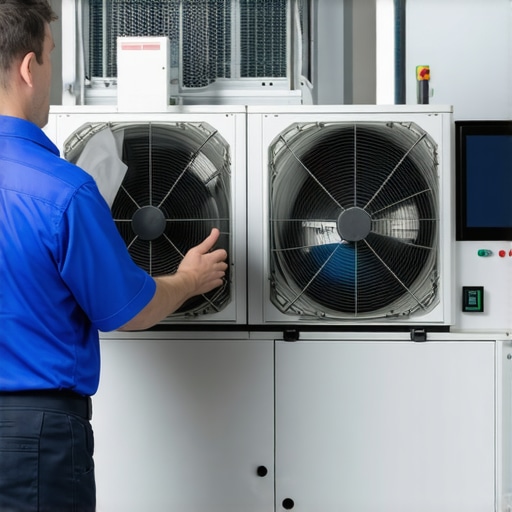
When my heat pump started cycling on and off rapidly, I first checked the air filter. A clogged filter can block airflow and cause system stress. Replacing the filter was straightforward and immediately improved performance. However, if simple fixes like filter replacement don’t solve the problem, it’s time to call a professional. Knowing basic troubleshooting steps helps you save money and time. For complex issues, trust experts who follow proven protocols—like those at this trusted repair service.
Choose Certified Professionals
My first repair attempt was a DIY disaster—causing more damage and a bigger bill. Since then, I’ve prioritized hiring certified technicians with good reviews. Look for technicians with proper licensing and experience in heat pump repairs. Ask about their service guarantees—like the ones offered by these trusted experts. Investing in qualified professionals ensures durable fixes, saving you money over time and avoiding repeated breakdowns.
Request Transparent Diagnoses and Estimates
During my last repair, the technician provided a clear diagnosis and upfront estimate, which I appreciated. Avoid technicians who hesitate to explain issues or give vague quotes—these often hide unnecessary add-ons or inflated costs. Reputable professionals will walk you through the problem, outline solutions, and agree on a fair price before starting work. This transparency builds trust and guarantees you’re not overpaying for unnecessary repairs. For more tips on choosing honest service providers, check this guide.
Prioritize Preventive Maintenance
Preventive maintenance is the best way to keep your HVAC system reliable. Schedule seasonal tune-ups with trusted technicians; it’s like giving your system a health check. During these visits, they’ll clean components, check refrigerant levels, and test safety controls. In my case, routine maintenance greatly extended my heat pump’s lifespan and improved efficiency. Don’t wait for a breakdown—preventive care saves money and ensures consistent comfort. For an in-depth look, explore this maintenance guide.
Keep Emergency Contacts Handy
When my heat pump failed on a freezing night, quick access to a reliable repair service made all the difference. Save contact details of trusted HVAC technicians before emergencies happen. Preferably, choose a company with 24/7 availability and proven results—like those at this trusted service. Having a plan reduces panic and gets your system back up faster, maintaining your home’s comfort even during the coldest days.
Many homeowners believe they understand how HVAC systems work, but some popular myths can lead you astray and even cause costly mistakes. Let’s dig deeper into these misconceptions to help you avoid pitfalls and get the most from your investment in reliable heating and cooling.
Why the Most Frequent HVAC Fixes Sometimes Backfire
One widespread myth is that all HVAC repairs are equally straightforward and can be tackled with basic DIY skills. While simple tasks like replacing filters or cleaning coils can be manageable, attempting complex repairs without proper training can damage your system further. For example, some think that adding refrigerant themselves is safe—this is dangerous and can void warranties. Professionals who follow proven protocols, such as those at this guide, know how to handle refrigerants safely and effectively, ensuring long-term system health.
Another common mistake is assuming that ignoring minor issues won’t lead to bigger problems. But small inefficiencies or strange noises often hint at underlying issues that, if left unaddressed, can escalate into expensive repairs or replacements. Regular checkups and early intervention are vital. Regular inspections by trusted technicians can prevent minor hiccups from turning into costly emergencies, as outlined in this maintenance guide.
What Advanced Homeowners Need to Know About System Efficiency
For the seasoned DIYer or tech-savvy homeowner, it’s tempting to think that simply upgrading parts or adding aftermarket solutions can boost efficiency. However, these interventions often overlook the system’s unique design and the importance of professional calibration. An improperly tuned heat pump or furnace can lead to increased energy bills and uneven comfort. Experts who adhere to comprehensive diagnostics, like those at this trusted service, can fine-tune your system to operate at peak efficiency, saving you money in the long run.
Furthermore, the misconception that DIY repairs are always cheaper is a dangerous trap. In reality, poor repairs or temporary fixes can cause more harm than good, leading to repeat visits and higher costs. Investing in certified professionals ensures durable, reliable results, as emphasized in this article.
Have you ever fallen into this trap? Let me know in the comments. Remember, understanding these nuances helps you make smarter decisions and keeps your HVAC system running smoothly for years to come.
Invest in the Right Equipment for Long-Term Success
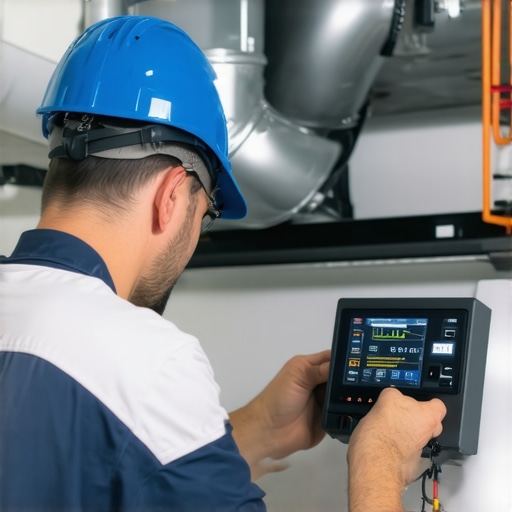
Maintaining your HVAC system efficiently starts with selecting the best tools and equipment. Personally, I rely on a high-quality digital multimeter, such as the Fluke 117, which provides precise readings of voltage, current, and resistance. This tool helps me quickly diagnose electrical issues without guesswork, ensuring repairs are accurate and durable. For refrigerant-related troubleshooting, I use a refrigerant leak detector—my preferred model is the Robinair RG3. It detects even tiny leaks, preventing wastage and system failures down the line. Investing in these professional-grade tools minimizes the need for repeated repairs and extends your system’s lifespan.
Routine Maintenance Makes a Difference
One of my favorite methods for keeping HVAC systems in top shape is scheduling seasonal maintenance with trusted technicians. They use specialized equipment like manifold gauge sets to measure refrigerant pressures accurately, ensuring optimal system performance. Regularly replacing filters with high-efficiency MERV 13 filters improves airflow and reduces strain on the heat pump or furnace. Additionally, I recommend using an ultrasonic cleaner for cleaning coils—this method removes grime that traditional cleaning might miss, boosting efficiency. The key is consistency; regular checkups help catch minor issues early, saving money and preventing unexpected breakdowns.
How do I maintain HVAC tools over time?
To keep my tools functioning at peak performance, I follow a strict maintenance routine. Calibration of electronic testers like multimeters is essential—most manufacturers recommend calibration every 12 months, which I schedule through authorized service. Storing tools in padded cases prevents damage, while cleaning and inspecting them after each use ensures longevity. For example, I regularly check the hoses and connections on my manifold gauge set for cracks or leaks. Using manufacturer-recommended lubricants and replacing worn parts when needed also prolongs tool life. Proper storage and routine calibration are critical steps to ensure your tools remain reliable for years to come.
Leveraging Advanced Software for Diagnostics
Beyond physical tools, I utilize diagnostic software like HVAC-R Toolbox, which integrates with smart sensors installed in the system. This software provides real-time data on temperature, pressure, and system cycles, helping me pinpoint issues remotely. As technology advances, I believe these digital tools will become standard, enabling even more precise maintenance schedules and predictive repairs. Investing in such solutions now can drastically reduce downtime and improve long-term system reliability.
Stay Ahead with Continuous Learning
Finally, I recommend staying updated with industry standards by subscribing to reputable sources like the HVAC Repair Secrets blog. Learning about new tools, techniques, and emerging trends ensures your maintenance strategies evolve with the industry. For example, recent advancements in smart thermostats and AI diagnostics are shaping the future of HVAC care.
In conclusion, combining the right tools, regular maintenance, and continuous education is the best approach to keep your HVAC system running flawlessly in 2024. Don’t wait for a breakdown—try out a digital multimeter or schedule a seasonal tune-up today to experience the difference firsthand. For expert assistance or more detailed guidance, visit our contact page and take control of your home’s comfort.
Over the years, I’ve learned that the biggest breakthrough in reliable HVAC care isn’t just about fixing systems — it’s about understanding the lessons behind those fixes. Here are some of the most important insights I wish I had known early on, which can save you time, money, and frustration.
- My most costly mistake was neglecting regular maintenance. I used to wait until my heat pump failed completely before calling a technician. That led to expensive repairs and unnecessary downtime. Now, I schedule seasonal checkups and follow expert advice from this comprehensive guide to maintain peak performance.
- DIY fixes are tempting but often dangerous. I once tried to recharge refrigerant myself, which caused more damage. Professionals follow strict protocols, ensuring safety and durability. Trusting certified technicians is an investment in your system’s longevity.
- Ignoring small issues can turn into major disasters. A strange noise or slight inefficiency might seem minor, but it’s usually a sign of something bigger. Early intervention, guided by trusted experts, prevents costly emergencies. Check out this guide for early warning signs.
- The right tools and continuous learning make all the difference. I rely on professional-grade equipment like a Fluke multimeter and refrigerant leak detectors, and I stay updated with industry trends via trusted sources. This approach ensures my repairs are accurate and long-lasting.
My Essential Toolkit for HVAC Success
- High-quality multimeter — like the Fluke 117, for precise electrical diagnostics.
- Refrigerant leak detector — Robinair RG3, to prevent wastage and leaks.
- Ultrasonic coil cleaner — for deep cleaning that boosts efficiency.
- Diagnostic software — HVAC-R Toolbox, for remote monitoring and predictive maintenance.
This Is Your Moment to Take Action
Reliable heating and cooling isn’t just about fixing what’s broken — it’s about being proactive. With the right knowledge, tools, and trusted professionals, you can ensure your home stays comfortable all year round. Don’t wait for a breakdown — start scheduling maintenance and learning more today.
Have you ever faced a costly HVAC repair that could have been avoided? Share your experience below or visit our contact page for expert guidance and support.