I still remember that chilly winter night when my heat pump suddenly stopped working. The panic set in as I realized I had no idea if I could trust the repair services I found online. It was a frustrating experience—cold air blowing through the vents, and my comfort slipping away fast. That lightbulb moment made me realize one thing: not all HVAC repairs are created equal, and trusting the right experts can make all the difference in achieving lasting comfort.
Why Trust Matters More Than Ever with Your HVAC System
In 2024, with energy efficiency and reliability at the forefront, choosing trustworthy HVAC repair services isn’t just about fixing a broken system. It’s about long-term peace of mind, lower energy bills, and a consistently comfortable home. But how do you know if a repair provider will deliver results that last? I’ve learned through personal experience—and countless conversations with other homeowners—that one common mistake can derail your entire comfort plan.
Have You Faced This Frustration With Your HVAC System?
If you’ve ever dealt with inconsistent heating or cooling, or worse, recurring breakdowns shortly after a repair, you’re not alone. Many homeowners learn the hard way that rushing into the cheapest fix or ignoring regular maintenance can lead to bigger problems down the line. One thing I wish I’d known early on is that trusting experienced professionals who follow proven repair practices really does pay off. You can read more about how expert HVAC services ensure lasting results on this page.
Making that initial mistake—overlooking the importance of certified technicians—can cost you more time, money, and comfort later. But don’t worry. The good news is, with the right approach, your heat pump or furnace can perform reliably for years. Today, I’ll walk you through how trusted repair practices and expert care can turn your HVAC system into a source of lasting comfort, saving you stress and expense in 2024 and beyond.
Choose Certified Professionals for Your HVAC Needs
My first step was to research the credentials of local HVAC repair companies. I looked for certifications like NATE or EPA licenses, which are indicators of trained technicians. During a hectic Saturday, I called a company listed on a popular review site. Instead of a generic response, the technician asked detailed questions about my heat pump and explained their process clearly. This initial interaction gave me confidence to proceed with their service. Trustworthy experts follow strict standards that guarantee lasting results.
Don’t Fall for the Cheapest Fix
I recall once hiring a less reputable technician who offered a low price but skipped essential diagnostics. The repair lasted only a few weeks before the system failed again. This taught me that investing in quality repairs is more economical in the long run. Always ask for detailed estimates and ensure the technician explains the scope of work. Reliable services don’t cut corners, and their work is backed by warranties. Read more on how proper repair practices lead to lasting comfort.
Inspect and Verify Before Authorizing Repairs
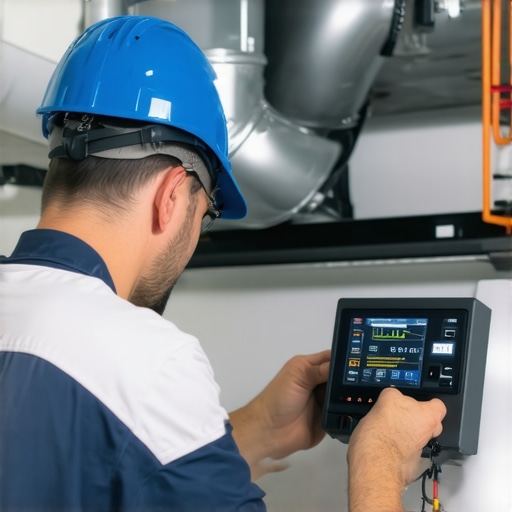
Before any work began, I requested a thorough inspection report. A reputable technician will perform diagnostics, check refrigerant levels, inspect electrical connections, and verify system components. I watched as they used specialized tools, similar to a mechanic diagnosing a car. This detailed assessment prevented future surprises. Always ask for a written estimate that includes parts, labor, and warranties. This transparency is key to ensuring your repair will stand the test of time.
Keep Up With Regular Maintenance
After the repair, I scheduled routine maintenance through the same trusted provider. Regular checkups—cleaning filters, inspecting coils, and calibrating thermostats—extend system lifespan. Think of it like a routine health check-up; catching issues early prevents breakdowns. For comprehensive tips, see this maintenance guide. Maintaining your system consistently ensures the work done by professionals lasts longer, saving money and stress over time.
Stay Informed About Your System’s Performance
Monitoring your heat pump’s performance helps catch potential problems early. I started using smart thermostats and energy monitoring apps, which alerted me to inefficiencies. This proactive approach allowed me to schedule repairs before minor issues escalated into major failures. Educate yourself about typical signs of trouble, like strange noises or uneven heating. Trustworthy repair companies often offer tips and ongoing support to keep your system running smoothly. Learn more about how expert advice can enhance your HVAC’s longevity on this resource.
Many homeowners operate under misconceptions about HVAC repairs, often leading to costly mistakes. Let’s dig into some of the most persistent myths and reveal the nuanced truths that can save you time, money, and frustration. Understanding these details is essential for making informed decisions and ensuring your system performs reliably for years to come.
Why Quick Fixes Might Be a Trap
One prevalent misconception is that opting for the cheapest or fastest repair guarantees long-term savings. In reality, cutting corners often results in recurring problems and higher expenses. For instance, skipping comprehensive diagnostics or using inferior parts might seem budget-friendly initially but can cause your system to fail prematurely. Trusted repair practices involve thorough inspections, quality parts, and warranties—investments that pay off over time. You can find more about how expert repairs boost HVAC longevity on this page.
Are All Certifications Equal When Choosing an HVAC Technician?
Many homeowners believe that any licensed technician can deliver the same quality of work. However, certifications like NATE or EPA indicate a technician’s advanced training and commitment to industry standards. In my experience, technicians with specialized credentials tend to perform more precise diagnostics and use proven repair techniques, reducing the likelihood of future breakdowns. Always verify credentials before hiring, and avoid technicians who promise quick fixes without proper diagnostics. Learn more about choosing certified professionals on this resource.
Beware of the Repair-Only Mindset
Many think that repairs are a one-time solution, but neglecting regular maintenance can negate the benefits. For example, ignoring routine filter changes or coil cleanings can increase strain on your system, leading to more frequent repairs and energy waste. Regular maintenance, such as outlined in this guide, is crucial for keeping your HVAC system operating at peak efficiency. Think of it as a health check-up; proactive care ensures longevity and reliability.
What Advanced Troubleshooting Techniques Are Often Overlooked?
For those with more sophisticated systems, simple diagnostic methods might miss underlying issues. Advanced techniques, such as refrigerant leak detection with UV dyes or infrared thermography, provide deeper insights into system health. Experts who employ these methods can identify problems early, preventing costly breakdowns. Relying solely on basic diagnostics can be a trap, especially if your system exhibits subtle signs of trouble. For a detailed understanding, see this article.
Have you ever fallen into this trap? Let me know in the comments. The key is to trust seasoned professionals who understand the nuances of HVAC repair and maintenance, ensuring your system delivers lasting comfort throughout 2024 and beyond.
Keeping it Working: Tools I Recommend for HVAC Maintenance
Maintaining your HVAC system over time requires more than just basic cleaning; it demands precision tools and consistent practices. Personally, I rely on a combination of high-quality diagnostic equipment and software to ensure my systems run efficiently and reliably. These tools not only help catch issues early but also enable me to perform detailed diagnostics that save money and extend the lifespan of my equipment.
One essential device I use is a digital manifold gauge set, specifically the Yellow Jacket 62000 Series. It provides accurate refrigerant pressure readings and helps identify leaks or improper charging. I prefer digital over analog gauges because they offer quick, precise data, which is crucial for effective troubleshooting. Regularly checking refrigerant levels with this device ensures my heat pumps and mini-splits operate at peak efficiency.
To complement hardware, I use HVAC-specific diagnostic software like HVAC Pro app, which syncs with my smartphone via Bluetooth. This app allows me to monitor system parameters, log performance data, and even receive alerts for abnormal readings. Having real-time insights helps me schedule repairs proactively, avoiding costly breakdowns. As technology advances, I predict more HVAC systems will integrate smart diagnostic tools, making maintenance even more straightforward and predictive.
How do I maintain my tools and software over time?
Maintaining your diagnostic tools involves regular calibration and cleaning. For digital gauges, I follow the manufacturer’s calibration schedule—usually annually—and store them in a protective case to prevent damage. Software updates are crucial; I ensure my HVAC diagnostic apps are always current to benefit from the latest features and security patches. Additionally, I keep spare batteries handy to avoid downtime during critical diagnostics.
Investing in these tools has transformed how I approach HVAC maintenance. They allow me to diagnose issues more accurately, perform repairs faster, and ultimately, ensure my systems last longer. As technology continues to evolve, expect even smarter tools to emerge—like AI-powered diagnostic systems—that will further enhance maintenance precision and reduce system failures.
If you’re serious about keeping your HVAC system in top shape, I highly recommend trying out a digital manifold gauge set combined with a reliable diagnostic app. These tools will empower you to perform detailed checks and catch problems early, saving you money and stress in the long run. For more tips on effective HVAC maintenance, visit this comprehensive guide.
The Hardest Lesson I Learned About HVAC Repair Trust
One of my biggest realizations came when I trusted a cheap, unverified technician for a quick fix, only to face recurring issues that cost me more in the long run. It taught me that investing in certified, experienced professionals is worth every penny. This lesson pushed me to always verify credentials like NATE or EPA licenses before scheduling repairs.
The Hidden Value of Regular Maintenance
I used to think repairs alone could keep my system running smoothly, but neglecting routine checkups led to unexpected breakdowns. Now, I schedule regular maintenance with trusted providers, which helps catch problems early and extends my HVAC system’s lifespan. Regular upkeep isn’t just a chore; it’s a smart investment in comfort and savings.
Why Certifications Can Make or Break Your HVAC Experience
Discovering that technicians with advanced certifications tend to perform more precise diagnostics and use quality parts was a game-changer. It’s not just about having a license; it’s about having the right skills. When choosing someone for HVAC repairs, always ask about their credentials and experience to ensure lasting results.
My Essential Toolkit for HVAC Maintenance
Equipping myself with a digital manifold gauge set like the Yellow Jacket 62000 Series and HVAC diagnostic software has transformed my approach. These tools allow me to perform detailed diagnostics, identify leaks early, and monitor system performance in real time. Investing in quality tools has saved me money and stress over the years, and I recommend every homeowner consider similar tech to keep their HVAC systems reliable.
Your Turn to Transform HVAC Care in 2024
Taking control of your HVAC system with trusted professionals and the right tools can dramatically improve your home comfort and reduce costs. Remember, lasting HVAC health depends on proactive maintenance, certified expertise, and smart diagnostics. Don’t wait for a breakdown—start implementing these lessons today and enjoy peace of mind all year long.
What has been your biggest challenge with HVAC repairs? Share your story below—I’d love to hear from you!