One sweltering summer evening, I found myself drenched in sweat, desperately trying to cool down my living room with a mini-split that refused to cooperate. It was a frustrating, eye-opening moment that made me realize just how vital reliable HVAC systems are to our daily comfort—and how easily they can let us down when we need them most. If you’ve ever experienced that sinking feeling of an AC or heat pump faltering just when you need it most, you’re not alone. These systems are the backbone of comfort in our homes, especially as we gear up for 2024 and beyond.
Why Your HVAC System Needs a Second Look Now
With climate patterns becoming more unpredictable, the importance of well-maintained mini-splits and heat pumps has never been clearer. A minor malfunction today can turn into a major headache tomorrow—leading to skyrocketing energy bills, uneven heating or cooling, and even complete system failure. I learned this the hard way early in my career, making the mistake of ignoring small issues that seemed insignificant. That oversight cost me dearly, both in repairs and comfort.
But here’s the good news: with a little know-how and the right professional help, you can prevent those costly breakdowns and keep your home comfortable all year round. Today, I’ll share practical, straightforward tips to troubleshoot and maintain your mini-split and heat pump systems, ensuring they perform at their best in 2024. And if you’re facing a serious problem, I’ll guide you on when it’s time to call in the experts—because sometimes, DIY isn’t enough.
Is Repair Worth the Cost or Should I Replace?
This is a question I hear all the time. Early on, I made the mistake of trying to patch up systems that were past their prime, only to end up with repeated failures and mounting expenses. Trust me, sometimes the smartest move is to seek professional help. Reliable repair services can extend the life of your system and save you money in the long run. To get started, check out my recommended troubleshooting steps at Mini-Split Troubleshooting Guide.
So, are you ready to take control of your home’s comfort and avoid the pitfalls I stumbled into? Let’s dive into the practical steps that will keep your mini-split and heat pump running smoothly through 2024 and beyond.
Check the Air Filters Regularly
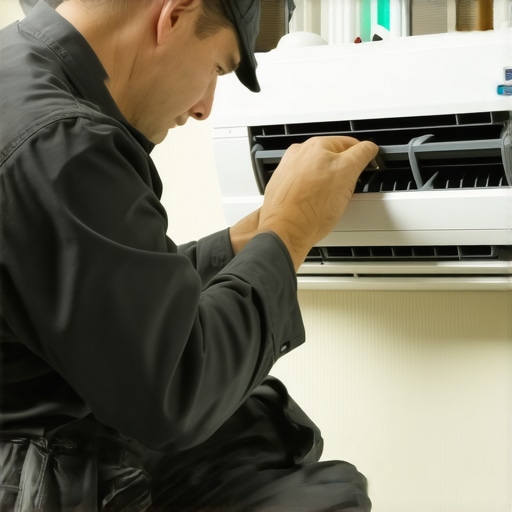
During my first year managing my mini-split, I overlooked a simple step—cleaning the filters. One afternoon, I noticed the airflow was weak, and the system wasn’t cooling as it should. I opened the unit, removed the filters, and rinsed them with warm water. After drying and reinstalling, the airflow improved immediately. This quick fix prevented a costly repair and kept my system running efficiently.
Make it a habit to inspect and clean filters at least once a month. Dirty filters restrict airflow, forcing your system to work harder and consume more energy. For detailed guidance, visit the Heat Pump Maintenance Guide.
Inspect and Clean the Coils
In my experience, dirty evaporator and condenser coils are silent energy killers. Last summer, I noticed my heat pump was running longer than usual. I shut it down, and with a garden hose and a coil cleaner from the hardware store, I washed away accumulated dirt and debris. The system cooled more efficiently afterward, saving me money on energy bills.
Regular cleaning of coils—every 1-2 years—is essential for optimal performance. Use a soft brush or a commercial coil cleaner. If you’re unsure, professional HVAC repair experts can help keep your coils in top shape.
Monitor Refrigerant Levels
Early in my DIY journey, I thought refrigerant recharge was complex. Turns out, low refrigerant levels cause your heat pump to struggle, leading to poor heating or cooling. One winter, I noticed uneven temperatures and called a technician to check the refrigerant levels. They added the correct amount, and my system regained its efficiency.
Refrigerant leaks are common, so don’t ignore persistent issues. If you suspect low refrigerant, consult a certified professional. For more insights, read about refrigerant repair tips.
Test the Thermostat Settings
During a cold snap, I found my heat pump was not maintaining the desired temperature. I checked the thermostat and realized it was set incorrectly or needed calibration. After adjusting the settings, the system responded as expected, restoring comfort in my home.
Ensure your thermostat is set correctly and functioning properly. Replace batteries annually and consider upgrading to a smart thermostat for better control. Proper thermostat calibration can prevent unnecessary system strain and improve energy efficiency.
Schedule Professional Maintenance
Despite my DIY efforts, I learned that annual professional tune-ups are invaluable. A trusted technician performs comprehensive inspections, cleans components thoroughly, and detects issues before they escalate. Last year, a professional identified a failing compressor that I wouldn’t have noticed, saving me from a total system breakdown.
Book service with licensed HVAC technicians through resources like contact us. Regular maintenance extends your system’s lifespan and guarantees peak performance in 2024 and beyond.
Many homeowners operate under assumptions about mini-splits and heat pumps that, while widespread, can actually lead to costly mistakes or overlooked issues. Let’s dig deeper into some of these misconceptions and reveal the hidden nuances that can make a significant difference in maintaining efficient and reliable systems.
Are All Repairs Cost-Effective or Is It Time to Replace?
It’s a common belief that repairing a system is always the cheaper option. However, in my experience, this isn’t true once your HVAC unit reaches a certain age or has multiple issues. Sometimes, frequent repairs can stack up, making replacement the smarter, more cost-effective choice in the long run. Professionals can help you evaluate whether repairs are worth it or if a new system will save money and energy—more info at Mini-Split Troubleshooting Guide.
Myth: DIY Maintenance Can Replace Professional Service
While routine tasks like filter cleaning are simple, complex issues like refrigerant leaks or coil damage require expert intervention. Relying solely on DIY fixes can mask underlying problems, leading to system failure or inefficiency. Regular professional tune-ups are essential for catching those hidden issues early. Trust a licensed technician for the best results—more on this at contact us.
Why Skipping Maintenance Is a Big Mistake
Many homeowners underestimate the importance of scheduled maintenance, thinking systems will run fine without it. Yet, neglecting regular inspections can cause minor issues—like dirt buildup or refrigerant loss—to snowball into major failures. Studies show that proactive maintenance extends system lifespan and improves efficiency, saving you money over time. Learn more at HVAC Efficiency Tips.
Have you ever fallen into this trap? Let me know in the comments. Remember, understanding these nuances helps you make smarter decisions and avoid costly surprises with your HVAC system.
Keeping your mini-split or heat pump system running smoothly over time requires more than just basic care; it demands the right tools, consistent maintenance, and a proactive approach. As the industry evolves, so do the best practices for ensuring longevity and efficiency. In this post, I’ll share the specific tools I personally rely on, how I use them, and what future trends suggest about maintaining HVAC systems effectively.
My Go-To Diagnostic Tools for HVAC Maintenance
First and foremost, I recommend investing in a high-quality digital manifold gauge set like the Yellow Jacket 42004 Multi-Zone Gauge. I use this device to precisely measure refrigerant pressures during inspections and recharges. Accurate readings prevent overcharging or undercharging, which can harm your system and reduce efficiency. The key is to choose a model with easy-to-read displays and durable hoses—trust me, cheap tools often lead to guesswork and unnecessary repairs.
Alongside gauges, a reliable digital thermometer with contact probes, such as the Fluke 62 MAX+, is invaluable. I use it to verify air and refrigerant line temperatures, ensuring your system is operating within optimal ranges. Consistent temperature checks help catch issues like refrigerant leaks or coil inefficiencies early, saving money before a minor glitch becomes a costly breakdown.
Why I Swear By Professional-Grade Leak Detectors
Detecting refrigerant leaks is critical, especially as systems age. I prefer the INFICON D-TEK or similar electronic leak detectors because they are sensitive enough to locate small leaks that might be missed with soapy water. Regular use of a high-quality leak detector keeps your system sealed tight, maintaining efficiency and preventing environmental harm. Future advancements are leaning toward wireless, handheld detectors that sync with smartphone apps—making diagnostics even more accessible.
How Do I Maintain HVAC Over Time?
Routine maintenance is the backbone of system longevity. I recommend scheduling professional inspections at least once a year, during which a technician will clean coils, check refrigerant levels, and verify electrical connections. Between visits, I perform monthly visual inspections, ensuring filters are clean, and monitoring for unusual noises or temperature inconsistencies. Keeping detailed logs of maintenance activities helps track system health and plan future upgrades.
With the rise of smart home technology, integrating your HVAC with a smart thermostat like the latest smart thermostats allows for remote monitoring and automatic adjustments, reducing wear and tear. Looking ahead, I believe that AI-powered diagnostic tools will become more common, providing real-time alerts and predictive maintenance suggestions—potentially saving homeowners thousands in repairs.
Try This Advanced Maintenance Tip Today
One proactive step I highly recommend is installing a refrigerant leak monitor that connects to your smartphone. These devices, like the smart leak detectors, continuously track refrigerant levels and notify you immediately if a leak is detected. This early warning system can prevent system damage and environmental harm. Give it a try—early detection is your best defense.
Investing in the right tools and maintaining a disciplined schedule can dramatically extend the life of your HVAC system. Start with high-quality gauges, leak detectors, and temperature probes, and complement these with professional inspections. By staying ahead of potential issues, you’ll enjoy reliable comfort and energy savings well into 2024 and beyond.
The Hardest Lesson I Learned About HVAC Maintenance
Early in my journey, I underestimated the importance of routine coil cleaning. A small oversight led to a significant drop in efficiency and costly repairs. It taught me that even minor maintenance tasks can have a big impact on system longevity.
3 Myths About HVAC Repairs That Could Cost You
One common misconception is that all repairs are worth fixing. Sometimes, replacing an aging system saves money in the long run. Knowing when to repair and when to replace is crucial, and a trusted technician can help with that decision.
What Experts Won’t Tell You About DIY HVAC Maintenance
Many homeowners believe they can handle refrigerant leaks or coil issues themselves. However, these problems often require professional tools and expertise. Relying solely on DIY fixes can mask underlying issues and lead to bigger failures down the line.
Future Trends That Will Transform HVAC Maintenance
Smart leak detectors and AI-powered diagnostic tools are on the horizon. These innovations will give homeowners real-time alerts and predictive maintenance, saving time and money while ensuring system reliability.