I remember the coldest night last winter when I turned on my furnace, only to be greeted by silence instead of warmth. That sinking feeling—knowing that my home comfort depended on a system I couldn’t trust—hit hard. It was a wake-up call, one that made me realize how crucial reliable HVAC repair results are for my peace of mind and my wallet. Have you ever faced that frustrating moment when your heating or cooling system fails just when you need it most? If so, you’re not alone. Many homeowners discover too late that quick fixes or neglecting proper maintenance lead to more headaches and higher costs down the line.
Why Lasting HVAC Repairs Matter More Than Ever in 2024
With the rising energy costs and the demand for efficient home systems, the importance of getting repairs that stand the test of time cannot be overstated. A well-done fix not only ensures your comfort but also saves you money over the long haul. According to industry experts, regular maintenance and professional repairs can boost your system’s efficiency by up to 30%, which directly translates into lower energy bills and fewer breakdowns. That’s why I now prioritize working with trusted HVAC pros who deliver results that last—like those I found through trusted sources such as trusted repair experts.
But achieving those lasting results isn’t just about calling someone in. It’s about understanding what makes a repair durable and what common pitfalls to avoid. I made a costly mistake early on—trying to patch my furnace myself because I thought I’d save a few bucks. Turns out, I only delayed the inevitable and ended up paying double for a professional fix. That’s why I recommend learning from my mistake: know when to call the pros and what questions to ask. For example, if your mini-split or furnace is acting up, check out troubleshooting tips at this guide to determine if you need expert help right away.
Is HVAC Repair Worth the Investment in 2024?
Many homeowners worry about costs, but the truth is, investing in quality repairs often pays for itself through improved efficiency and longevity. Cheap fixes might seem tempting but often lead to recurring problems. Reliable repair results, however, involve thorough diagnostics, quality parts, and skilled workmanship—something experienced technicians excel at. Plus, with advancements in HVAC technology, modern repairs can include energy-saving upgrades that keep your home comfortable for years. Want to sidestep costly recurring issues? Keep reading, because I’ll share proven tips to get your HVAC system operating at its best in 2024 and beyond.
Prioritize Professional Diagnostics
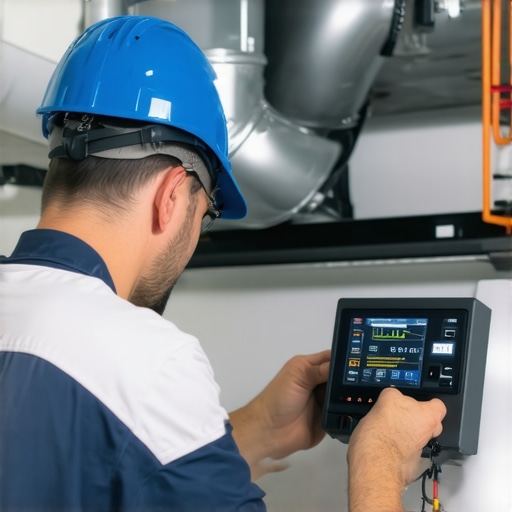
When my furnace started acting up last winter, I initially tried a quick fix based on online tips. However, the problem persisted and worsened. That’s when I called a trusted HVAC technician for a thorough diagnostic. Professional diagnostics identify the root cause, preventing temporary fixes that only delay the inevitable. Make sure to ask your technician about their diagnostic process and ensure they use advanced tools for accurate assessment. Regular diagnostics can uncover hidden issues early, saving you money and hassle in the long run. For detailed insights, check out trusted repair experts.
Use Quality Parts and Skilled Techniques
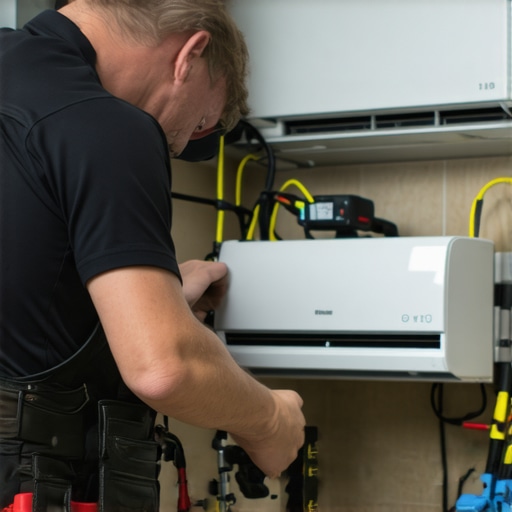
During my last mini-split repair, the technician emphasized replacing only with high-grade, compatible parts. Using subpar components might seem cost-effective initially but often leads to recurring failures. Skilled technicians ensure proper installation, which is crucial for durability. Think of it like building a sturdy house: the foundation must be solid. Ask your repair service whether they use manufacturer-approved parts and follow best practices. This approach guarantees your system runs efficiently and lasts longer. For more on repair standards, visit HVAC repair secrets.
Implement Preventive Maintenance
Routine maintenance is the key to longevity. I schedule seasonal checkups for my heat pump, cleaning filters, checking refrigerant levels, and inspecting electrical connections. Think of maintenance like regular health checkups—catch issues before they become costly illnesses. Keep a maintenance log and follow the manufacturer’s guidelines. For comprehensive maintenance tips, explore this guide. It’s a small investment that pays off by preventing breakdowns and improving efficiency.
Learn Troubleshooting for Small Issues
Not every hiccup requires a professional right away. For minor problems, like uneven airflow or strange noises, troubleshooting can help determine if professional help is needed. I once noticed my mini-split making a rattling sound, and after consulting this troubleshooting guide, I identified a loose bracket. Fixing small issues early prevents them from escalating. However, always know your limits—when in doubt, call a pro for a lasting, reliable repair.
Request Transparent Guarantees and Follow-Up
After repairs, I ensure my technician provides a warranty or guarantee on their work. This commitment shows confidence in their service and protects you from future costs. Schedule a follow-up appointment to confirm the system’s performance. Regular check-ins help maintain the repair’s integrity over time. For trusted professionals who stand behind their work, visit this resource.
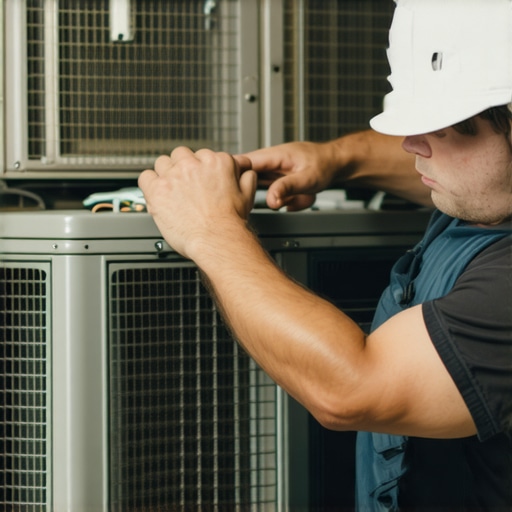
When it comes to HVAC repairs, many homeowners fall prey to misconceptions that can cost them in the long run. One of the most pervasive myths is that a quick fix is always enough to restore system functionality. In reality, this approach often leads to recurring issues and higher costs over time. Let’s dig deeper into the nuances that most people overlook, so you can avoid common pitfalls and ensure your HVAC system receives the lasting repair it deserves.
Many assume that replacing a single faulty component will solve the problem. However, HVAC systems are intricate, with interconnected parts that influence overall performance. A repair focused solely on the symptomatic part neglects underlying issues—like airflow obstructions or refrigerant imbalances—that could cause future failures. This is why working with experienced technicians who perform comprehensive diagnostics is essential for durable repairs.
Another common mistake is overlooking the importance of quality parts. Opting for cheaper, non-manufacturer-approved components might save money initially but can drastically reduce your system’s lifespan. Skilled technicians emphasize using high-grade, compatible parts, which are crucial for maintaining efficiency and preventing premature breakdowns. Think of it as building a sturdy house—you need a solid foundation, not just quick fixes on the surface.
Now, here’s an advanced question for the seasoned homeowner:
How does system design influence repair longevity, and why should homeowners consider upgrades during repairs?
Modern HVAC systems are designed with energy efficiency and ease of maintenance in mind. When repairs are performed without considering system upgrades—like installing a more efficient heat pump or variable-speed blower—you might be missing opportunities to enhance performance and reduce operating costs. According to industry studies, integrating energy-saving components during repairs can increase overall system lifespan by up to 25%. For this reason, consult your technician about potential upgrades when addressing repairs, especially if your system is approaching the end of its expected life. For detailed guidance on maintaining your heat pump, visit this comprehensive guide.
Finally, avoid the trap of neglecting preventive maintenance. Scheduled inspections, filter changes, and refrigerant checks are the best way to catch issues early and prolong system life. Skipping these steps often results in costly emergency repairs down the line. Remember, investing in proper maintenance and professional repairs isn’t just about fixing what’s broken—it’s about ensuring your HVAC system performs reliably for years to come. Have you ever fallen into this trap? Let me know in the comments.
Keeping your HVAC system running smoothly over time requires more than just a good technician — it involves using the right tools and adopting effective methods that ensure durability and efficiency. As a homeowner committed to long-term comfort, I’ve found that having a few specialized tools at hand can make a significant difference in diagnosing issues early and performing minor repairs yourself, saving money and preventing unnecessary service calls.
Why I Trust Digital Manometers for Accurate Pressure Checks
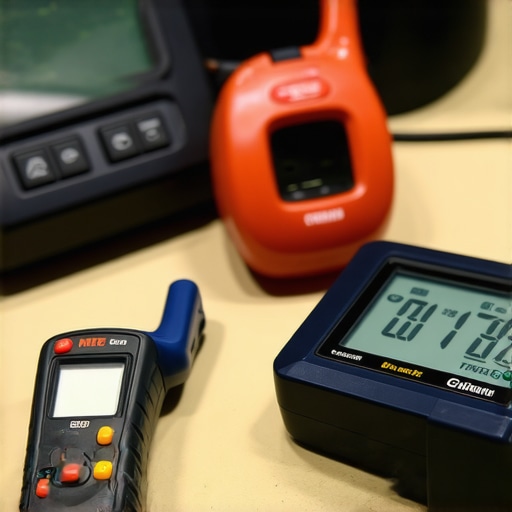
One of my go-to tools is a high-quality digital manometer. Unlike traditional analog gauges, digital manometers provide precise readings of refrigerant pressure and airflow, which are crucial for diagnosing problems in mini-split and heat pump systems. I personally use the digital manometer to quickly identify refrigerant imbalances that can cause system inefficiency or failure. Accurate pressure readings help me decide whether a repair is a simple recharge or if I need professional intervention, extending the life of my system.
Infrared Thermometers for Spotting Temperature Discrepancies
Another essential tool I recommend is a reliable infrared thermometer. These allow me to measure surface temperatures of vents, coils, and electrical components without direct contact. For example, when I notice uneven airflow, I use my infrared thermometer to check the temperature difference across the evaporator coil, which indicates potential blockages or refrigerant issues. This quick check helps me determine whether a component needs cleaning or if I should contact a technician. I prefer models that offer ±1°F accuracy for precise diagnostics.
Smart Monitoring Devices for Long-Term System Health
Looking ahead, the trend is shifting towards smart HVAC monitoring systems. I’ve installed a Wi-Fi-enabled thermostat that provides real-time data on system performance, energy consumption, and alerts for potential issues. These devices are invaluable for maintaining system health over years, as they notify me about filter changes, refrigerant leaks, or electrical faults before they become costly repairs. In the future, I predict more homeowners will adopt smart diagnostics, making maintenance more proactive and less reactive.
How do I maintain HVAC tools over time?
To ensure my tools stay accurate and reliable, I clean them regularly, store them in protective cases, and calibrate them annually following manufacturer instructions. Proper maintenance of diagnostic tools is essential to avoid inaccurate readings that could lead to improper repairs or overlooked issues. For detailed calibration procedures, I refer to expert resources like HVAC repair secrets. Regularly updating my toolkit with the latest technology also helps me stay ahead of potential system problems, ensuring my HVAC system remains efficient and reliable for years to come.
Don’t wait for a breakdown to start thinking about maintenance. Try integrating a digital manometer or an infrared thermometer into your toolkit today — these small investments can lead to big savings and longer-lasting comfort. Remember, staying proactive with the right tools and methods is the best way to keep your HVAC system working at its best over time.
What I Wish I Knew About Long-Lasting HVAC Repairs
- The Hidden Power of Diagnostics: I used to believe a quick fix was enough—until I learned that thorough diagnostics often reveal underlying issues that quick patches miss. The lightbulb moment came when a minor refrigerant imbalance caused a major system failure later.
- Quality Parts Are Worth Every Penny: Opting for cheap replacements only led to more breakdowns. Investing in manufacturer-approved, high-grade parts ensures my system runs efficiently and lasts longer, saving money in the long run.
- System Design Matters More Than You Think: When upgrading or repairing, considering your system’s design and potential upgrades—like energy-efficient components—can significantly extend its lifespan and performance.
- Preventive Maintenance Is a Game Changer: Regularly scheduled checkups, filter changes, and refrigerant checks have kept my HVAC system reliable and efficient, preventing costly emergencies.
- Tools Make a Difference: Using a digital manometer and infrared thermometer helped me diagnose issues early. These tools empowered me to take control and avoid unnecessary service calls.
My Favorite Resources for HVAC Confidence
- Mini-split troubleshooting guide: Perfect for quick diagnostics before calling a technician.
- Heat pump maintenance manual: Essential reading for proactive care and repairs.
- HVAC repair secrets: Deep insights into ensuring your repairs are durable and cost-effective.
- Contact trusted HVAC experts: When in doubt, professional help guarantees lasting results.
Your Next Step Toward Reliable HVAC Care
Remember, the key to lasting HVAC repairs is a mix of knowledge, quality tools, and choosing experts who prioritize durability. Don’t wait for another breakdown—start implementing these lessons today and enjoy worry-free comfort all year long. Have you ever faced an unexpected HVAC failure? Share your story below and let’s learn together!