Ever had that sinking feeling when your heat pump stops working on the coldest night of the year? I remember the chill creeping in, the frustration mounting, and the panic of not knowing who to call. That lightbulb moment hit me hard—trustworthy HVAC repair isn’t just a convenience; it’s a necessity for lasting home comfort. I used to think any repair service would do, but I quickly learned that cutting corners often leads to more problems down the line. Today, I want to share how I finally cracked the code to reliable, long-lasting solutions for my heating and cooling systems.
Why Reliable HVAC Repair Matters More Than Ever
In my experience, the difference between a quick fix and a lasting repair hinges on choosing the right experts. A misstep early on—like ignoring routine maintenance or trusting an unqualified technician—can turn a minor issue into a major headache. According to the U.S. Department of Energy, proper heat pump and HVAC system maintenance can improve efficiency by up to 25%, saving you money and preventing breakdowns. This made me realize that investing in trusted repair services is not just about fixing the problem today but ensuring peace of mind for years to come.
Have You Faced This Problem Too?
Maybe your heat pump is whispering instead of roaring, or your mini-split isn’t cooling as it used to. If you’ve ever been left in the cold—or sweltering—because of a system failure, you know how disruptive it can be. The good news is, with the right approach, you don’t have to accept ongoing discomfort. We’ll explore how to identify trustworthy repair options and avoid costly mistakes, so your home remains a sanctuary no matter the season.
Diagnose Before You Dive Into Repairs
Think of your HVAC system like a car — before fixing it, you need to identify the problem clearly. Last winter, my heat pump started making strange noises. Instead of guessing, I listened carefully and checked the thermostat for error codes. This simple step saved me from unnecessary repairs. To get a precise diagnosis, consider reading this guide which walks you through common issues and troubleshooting tips.
Check the Basics First
Ensure filters are clean, vents are open, and the circuit breaker hasn’t tripped. If these basic steps don’t resolve the issue, move on to more detailed diagnostics. Dirty filters, for instance, can mimic more serious problems, causing your system to underperform or shut down altogether. Regularly inspecting these components is like giving your HVAC a health check — it prevents minor issues from escalating.
Schedule an Expert Inspection
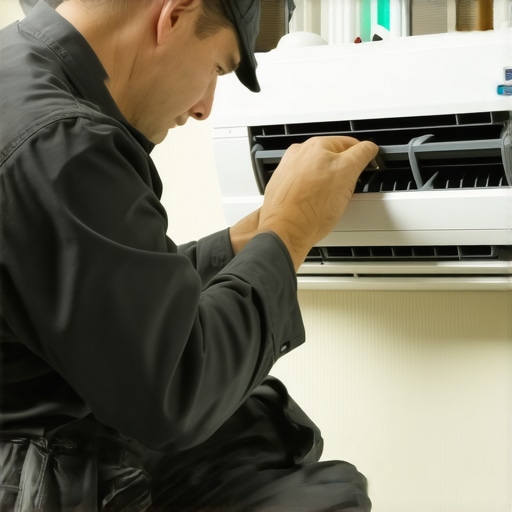
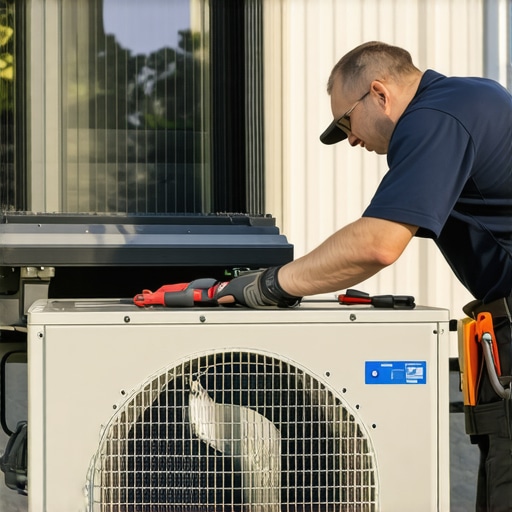
When I couldn’t pinpoint the problem myself, I called a professional. A trustworthy HVAC technician will perform a thorough inspection, much like a doctor running tests to diagnose an illness. Look for certified technicians with good reviews, and don’t hesitate to ask about their experience with your specific system. This step is crucial because an unqualified repair can lead to more damage and higher costs down the line. For trusted results, consider consulting this resource which emphasizes the importance of expert repairs.
Ask About the Repair Process
Good technicians will explain what’s wrong, how they will fix it, and why certain parts are necessary. For example, replacing a failing compressor isn’t just about fixing the symptom; it’s about restoring the entire system’s efficiency. Don’t forget to inquire about warranties and follow-up maintenance. This is like getting a check-up and a plan for ongoing health instead of just patching symptoms.
Invest in Preventive Maintenance
Preventive care is the key to long-term reliability. Regular tune-ups, such as cleaning coils and checking refrigerant levels, extend the lifespan of your HVAC. I set a reminder every spring and fall to schedule these services, which significantly reduced emergency repairs. For detailed maintenance routines, this guide offers step-by-step instructions.
Maintain Your System Like a Pro
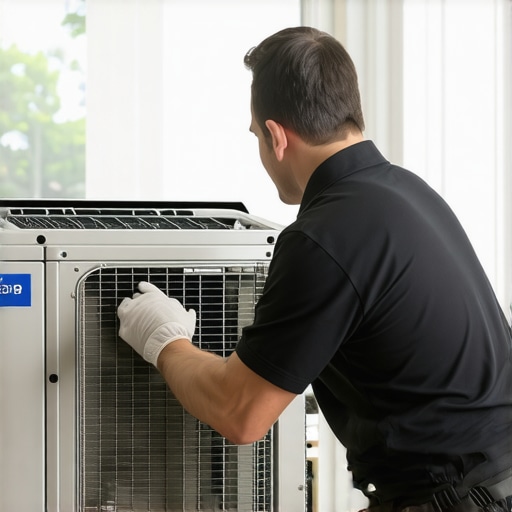
Changing filters every 1-3 months, clearing debris around outdoor units, and inspecting ductwork are simple tasks that make a big difference. Think of it as giving your HVAC a daily vitamins to keep it running smoothly. If you’re unsure how to do these yourself, a professional can show you the proper techniques during routine visits.
Choose the Right Parts and Supplies
Using high-quality replacement parts ensures durability. When my system needed a new capacitor, I opted for OEM parts recommended by the manufacturer. Cheap alternatives often fail faster, leading to more repairs. If you’re interested in understanding what parts are essential for reliable repair, check out this article which reveals insider tips for effective repairs.
Keep a Record of Repairs and Maintenance
Maintaining a detailed log helps track system health and future needs. I keep a digital file noting dates, repairs, and parts replaced. This habit not only saves time during troubleshooting but also adds value if you sell your home. A clear history demonstrates your commitment to system care, leading to better service and longevity.
When it comes to furnace, heat pump, or mini-split repairs, many homeowners operate under misconceptions that can lead to costly mistakes. Let’s dig deeper into what most people get wrong about HVAC repair, and why understanding these nuances can make all the difference in achieving long-lasting home comfort.
Why the Biggest Myths Could Be Your Hidden Trap
One common misconception is that all repair services are created equal. In reality, not all technicians have the same level of expertise or access to quality parts. For example, trusting a technician who uses cheap, generic components instead of OEM parts can lead to faster failures and more frequent repairs. This is especially true for critical components like compressors or refrigerant lines. Investing in reputable, experienced technicians—such as those highlighted in this resource—ensures durable, long-term solutions.
Another myth is that routine maintenance isn’t necessary. Many homeowners believe that once their system is working fine, it can be left alone until a breakdown occurs. However, skipping preventive measures like coil cleaning or refrigerant checks can hide small issues that worsen over time. This oversight often leads to system inefficiency or premature failure. For those eager to maximize their system’s lifespan, detailed maintenance routines are outlined in this comprehensive guide.
Beware of the Oversimplified Repair Mindset
Many assume that replacing a malfunctioning part—like a capacitor or thermostat—solves the problem entirely. The truth is, HVAC systems are complex, and a single faulty component can be symptomatic of deeper issues like refrigerant leaks or electrical wiring problems. Addressing only surface symptoms without diagnosing the root cause can lead to repeated failures. An advanced approach involves a thorough inspection by a professional, as emphasized in this detailed resource.
How Do Mini-Splits Differ in Repair Nuance?
Mini-split systems are often mistaken for simple units, but their repair nuances are quite different from traditional HVAC. Many homeowners overlook that refrigerant line leaks or improper airflow can be tricky to diagnose without specialized tools. The common mistake is attempting DIY fixes or trusting inexperienced technicians, which can lead to inefficient operation or permanent damage. For sophisticated troubleshooting, professional guidance is essential, as discussed in this article.
Recognizing these hidden nuances and myths is crucial. It’s not just about fixing parts; it’s about understanding system complexities, choosing the right professionals, and performing proactive maintenance. Doing so guarantees that your HVAC investments pay off with reliable, efficient performance. Have you ever fallen into this trap? Let me know in the comments.
How do I keep my HVAC system running smoothly over time
Maintaining your furnace, heat pump, or mini-split requires a combination of the right tools and consistent routines. Over the years, I’ve found that investing in specialized equipment has saved me significant time and money, especially when troubleshooting complex issues. The key is to use professional-grade tools that provide accurate diagnostics and effective repairs.
One tool I rely on heavily is a digital multimeter. It helps me quickly check electrical circuits, test thermostats, and verify component functionality without guesswork. I prefer a model with auto-ranging capabilities and a backlit display, such as the Fluke 117. This ensures I can work confidently even in dimly lit spaces. This resource emphasizes the importance of accurate electrical testing for long-term system reliability.
Another essential is a refrigerant manifold gauge set. For heat pumps and mini-splits, proper refrigerant levels are critical. I recommend a set like the Yellow Jacket 62020, which allows precise pressure readings and helps prevent overcharging or undercharging. Regularly checking refrigerant pressures ensures your system operates at peak efficiency and reduces the risk of long-term damage.
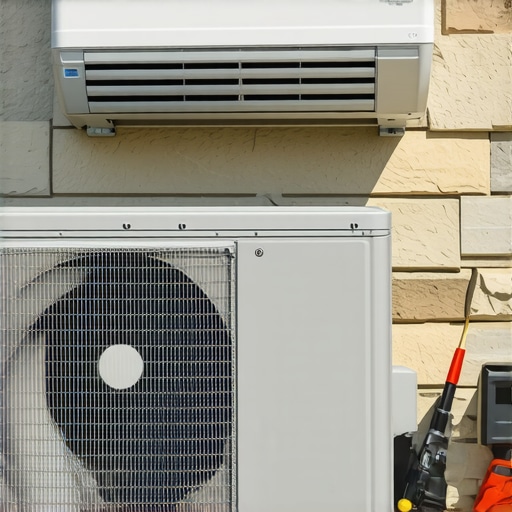
In addition, I always keep a tailored set of hand tools—screwdrivers, pliers, and a cordless impact driver. These facilitate quick component replacements and routine inspections. For cleaning, a high-quality coil cleaner spray and a vacuum with a brush attachment are invaluable. Clean coils improve airflow and heat transfer, directly impacting system longevity.
Looking ahead, I believe the trend is moving toward smart diagnostic tools integrated with mobile apps. These advancements will enable even homeowners to perform basic troubleshooting and schedule maintenance proactively. The integration of IoT devices with HVAC systems promises to revolutionize how we keep our systems in top shape. To stay ahead, I recommend trying out a smart service monitor like the Emerson Sensi. It can alert you to potential issues before they escalate, saving you from costly repairs.
What’s the best way to maintain your HVAC system long-term
Routine inspections and timely repairs are the foundation. Schedule seasonal checks with a professional, and don’t neglect simple tasks like filter replacement and coil cleaning. Remember, using the right tools makes these tasks more effective and less time-consuming. For detailed maintenance routines, this guide offers invaluable insights. Take the initiative today—try out a digital multimeter or refrigerant gauge set to see how much easier system upkeep can be. Your HVAC system will thank you with years of reliable service, and your comfort will never be compromised.
The Hardest Lesson I Learned About HVAC Repairs
One of my biggest realizations was that trusting the cheapest or quickest fix often leads to recurring issues. Early in my experience, I thought a quick patch would suffice, but I soon discovered that investing in quality repairs from experienced technicians saves money and stress in the long run. This taught me that system longevity depends on the expertise behind the repair, not just the part replaced.
My Eye-Opening Experience With Preventive Maintenance
Skipping routine checks and maintenance might seem harmless, but it’s a shortcut to costly breakdowns. I learned that regular coil cleaning, refrigerant checks, and filter replacements are like vitamins for your HVAC system. These proactive steps prevent small issues from snowballing into major failures, ultimately extending the life of your system.
Why Knowing Your System’s Inner Workings Matters
Understanding the complexities of HVAC systems changed how I approach repairs. I realized that a faulty capacitor might be a symptom of a deeper electrical issue or refrigerant imbalance. Recognizing this, I started asking technicians about root causes rather than surface fixes, leading to more durable solutions and better system health.
My Personal Tip for Long-Term Comfort
Invest in high-quality parts and trusted professionals. When my heat pump needed a new compressor, I chose OEM parts and a technician with proven experience. This approach not only restored efficiency but also gave me peace of mind, knowing my system was built to last. Reliable parts and expert service are the backbone of long-term HVAC performance.
Curated Resources for HVAC Success
For anyone serious about system longevity, I recommend exploring this comprehensive maintenance guide. It covers essential routines that keep your HVAC running smoothly. Additionally, tools like a digital multimeter and refrigerant gauge set are invaluable for DIY diagnostics and routine checks. Lastly, trusting only certified technicians, as highlighted in this resource, ensures durable, long-lasting repairs.
Your Turn to Take Control of HVAC Durability
Remember, understanding your HVAC system and investing in quality repairs and maintenance can dramatically improve its lifespan and efficiency. Don’t wait for a breakdown to act—proactive care makes all the difference. What’s the one HVAC maintenance tip you swear by? Share below and let’s learn from each other!