
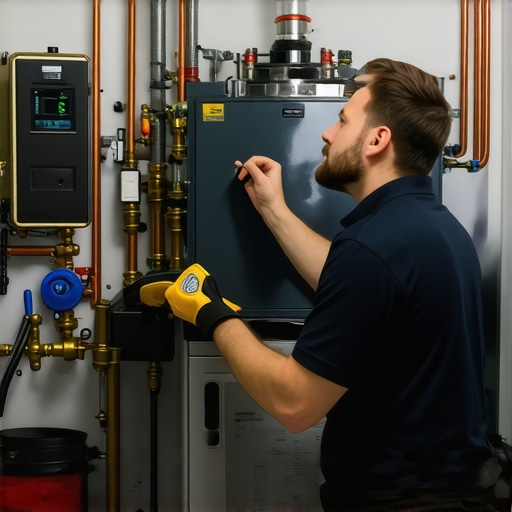
It was a cold, snowy night when my furnace decided to give out just as the temperature dropped below freezing. I remember frantically fiddling with the thermostat, my mind racing—was this the end of my cozy home comfort? That moment was a lightbulb for me. I realized that having a few reliable furnace repair tips up my sleeve could have saved me hours of frustration and cold nights. Now, after years of navigating HVAC issues, I want to share the secrets that keep my home warm and my heating system running smoothly through 2024.
Why Staying Ahead of Furnace Troubles Matters More Than Ever
During winter, your furnace is the unsung hero of your home. When it falters, so does your comfort and, sometimes, your sanity. With the cost of emergency repairs skyrocketing and the demand for reliable heating increasing, proactive maintenance becomes a must. According to the Department of Energy, regular furnace upkeep can improve efficiency by up to 30%, saving you money and preventing unexpected breakdowns. But what exactly should you do? That’s what we’re about to uncover.
Have you faced this problem before? Drop me a line—I’d love to hear your experience!
One mistake I made early on was ignoring small issues, thinking they would resolve themselves. Spoiler alert: they rarely do. Over time, neglect can turn minor hiccups into major repairs. That’s why I now swear by a few essential tips that keep my heating system in top shape. Whether it’s a mini-split, heat pump, or traditional furnace, the principles are similar. Ready to become your own HVAC hero? Let’s dive into the practical steps that will make 2024 your warmest year yet.
Inspect and Clean Your Filters Regularly
One of the simplest yet most effective steps I took was to check my furnace filters every month during peak winter. I remember a night last year when I replaced a clogged filter that was causing the system to work overtime, which saved me from a costly repair. A clean filter ensures proper airflow, improves efficiency, and extends the lifespan of your furnace. Think of it like changing the air filter in your car—neglecting it leads to performance issues and higher fuel consumption.
Check Thermostat Settings and Functionality
Next, I tested my thermostat to see if it was accurately reading and maintaining the desired temperature. A faulty thermostat can cause your furnace to cycle on and off unexpectedly. I replaced my old digital thermostat with a smart one, which allowed me to monitor and control heating remotely, saving energy and preventing unnecessary wear. For more insights, visit HVAC repair secrets.
Examine the Pilot Light or Electronic Ignition
If your furnace uses a pilot light, ensure it’s lit and steady. I once ignored a weak pilot light, which led to a complete system shutdown. Relighting it is usually straightforward, but if you’re unsure, it’s best to consult a professional via Contact Us. Modern systems with electronic ignition are less prone to this issue but still require occasional inspection to ensure proper operation.
Clear Debris and Obstructions
For systems with external units, like heat pumps or mini-splits, I made it a habit to clear leaves, snow, and debris around the outdoor components. I once found a blocked coil that reduced efficiency significantly. Use a garden hose or a soft brush to gently clean the coils, and ensure there’s no vegetation obstructing airflow. Proper airflow is critical for heat exchange, much like how a radiator works in a car.
Inspect Ductwork for Leaks and Insulation
Leaking ducts can waste up to 30% of heated air, which I discovered after noticing uneven room temperatures. I sealed visible leaks with duct tape and added insulation around accessible ducts. Sealants and insulation help maintain consistent heat distribution and improve energy efficiency. If your ducts are hard to reach, consider hiring a professional to perform a comprehensive inspection.
Test Safety Controls and Limit Switches
Safety controls prevent overheating and other hazards. I tested my furnace’s limit switch by temporarily raising the temperature setting; if it trips, it indicates a potential issue. Regular testing ensures your system shuts down safely if problems arise. Always turn off the power before inspecting electrical components to avoid shocks.
Schedule Professional Maintenance Annually
Even with regular checks, I make sure to schedule an annual tune-up with a licensed HVAC technician. During my last service, the technician cleaned the blower motor, checked for refrigerant leaks, and calibrated the system, saving me from unexpected breakdowns. A professional inspection can identify hidden issues early, much like a health check-up.
Remember, proactive maintenance saves money and keeps your home warm and safe. For detailed heat pump or mini-split maintenance tips, visit Heat Pump Maintenance Guide and Mini-Split Troubleshooting. Keeping your HVAC system in top shape is an investment in comfort and peace of mind for 2024 and beyond.
Many homeowners operate under misconceptions about furnace, heat pump, and mini-split repairs, often leading to costly mistakes. Let’s dig deeper into what most people get wrong and explore the hidden nuances that can save you time and money.
Is DIY Always the Best Option for HVAC Repairs
Contrary to popular belief, attempting DIY repairs without proper knowledge can do more harm than good. While changing filters or cleaning coils may seem simple, complex issues like refrigerant leaks or electrical problems require professional expertise. Relying solely on online tutorials can lead to incorrect fixes, further damaging your system. According to industry expert advice, prioritizing professional service ensures safety and longevity of your equipment. For trusted professionals, visit Contact Us.
Myth About High-Efficiency Systems
Many assume that upgrading to a high-efficiency furnace or heat pump automatically guarantees lower utility bills. However, without proper installation and maintenance, these systems won’t perform optimally. The real advantage lies in correct sizing, regular tune-ups, and understanding your home’s insulation. A study from the Department of Energy highlights that improper installation can reduce efficiency by up to 30%. So, investing in maintenance and professional installation is essential for maximum savings. Learn more at HVAC repair secrets.
Are Mini-Splits Just a Trend or a Long-Term Solution
Many see mini-splits as a trendy, temporary fix, but they’re actually a reliable, efficient option when installed correctly. The key is understanding their limitations, such as the need for proper sizing and insulation. Oversized units can cycle frequently, reducing efficiency and lifespan. Additionally, neglecting regular filter changes or coil cleaning can diminish performance. Professional guidance ensures your mini-split system provides long-lasting comfort. For expert insights, check Mini-Split Troubleshooting.
What Are the Risks of Ignoring System Maintenance
Skipping regular maintenance might seem harmless, but it often leads to unexpected breakdowns and costly repairs. Small issues like minor refrigerant leaks or dirty filters often go unnoticed until they cause system failure. Moreover, neglecting safety controls and limit switches can pose hazards, especially in older systems. Regular professional inspections can catch these problems early, saving money and ensuring your home’s safety. To stay ahead, consider scheduling annual tune-ups with qualified technicians. Details are available at reliable repairs.
Have you ever fallen into this trap? Let me know in the comments and share your experiences. Remember, understanding these hidden nuances can make all the difference in maintaining a warm, safe, and efficient home system.
Keeping your HVAC systems, including furnaces, heat pumps, and mini-splits, in top shape requires more than just basic knowledge — it demands the right tools and a strategic approach. Over the years, I’ve refined my toolkit to include equipment that ensures efficiency, safety, and long-term reliability. Investing in these trusted tools now can save you headaches and money down the line, especially as technology advances and systems become more sophisticated.
Why I Rely on a Digital Manifold Gauge Set
For anyone serious about HVAC maintenance, a high-quality digital manifold gauge set is indispensable. I personally use the Yellow Jacket 62030 Digital Manifold, which offers precise readings of refrigerant pressures and temperatures. This helps me detect leaks or undercharging issues early, preventing costly repairs and ensuring my heat pump or mini-split operates at optimal efficiency. Digital gauges are faster and more accurate than traditional analog models, making them a must-have for reliable diagnostics.
Why a Fluke Thermal Imager Is a Game-Changer
Identifying heat loss or electrical faults can be tricky without the right tools. That’s where a Fluke Ti400 PRO Thermal Imager comes into play. I use it regularly to scan HVAC components—like ductwork, coils, and electrical panels—to spot anomalies invisible to the naked eye. This proactive approach not only extends system lifespan but also boosts energy efficiency. As systems evolve, thermal imaging is becoming a standard practice for diagnosing issues before they escalate.
How a Quality Multimeter Keeps Electrical Work Safe and Accurate
Electrical components are the backbone of HVAC systems. I trust the Fluke 117 Electrician’s Multimeter because it combines safety, durability, and precision. Whether testing voltage, current, or resistance, this multimeter helps me troubleshoot electrical faults safely. Proper electrical diagnostics prevent system shutdowns and reduce the risk of safety hazards, making it a vital part of my maintenance routine.
Software for System Monitoring and Scheduling
Beyond physical tools, I recommend using smart HVAC monitoring software like the Emerson Sensi or Honeywell Home app. These platforms sync with compatible thermostats, providing real-time data on system performance. They help me schedule maintenance, track energy usage, and receive alerts about potential issues—making long-term system management smoother and more effective. As IoT integration improves, expect these tools to become even smarter, predicting failures before they happen.
Future Trends: Automation and AI in HVAC Maintenance
Looking ahead, I predict a surge in AI-powered diagnostic tools and automated maintenance systems. These innovations will analyze sensor data to predict failures with remarkable accuracy and even suggest optimal maintenance schedules. Embracing these advancements now positions homeowners and technicians to stay ahead of system failures, ensuring consistent comfort and efficiency in 2024 and beyond. For example, integrating predictive analytics into your routine can help you catch issues early, saving money and extending your system’s lifespan. Learn more about these innovations at HVAC repair solutions.
How do I maintain my HVAC tools over time?
Proper maintenance of your tools is crucial for long-lasting performance. Regularly calibrate your digital gauges and thermal imagers according to manufacturer instructions. Keep multimeters and software updated to ensure compatibility with new system features. Store tools in a clean, dry environment to prevent corrosion and damage. Periodic inspection and calibration are key—think of it as giving your tools a health check to ensure they perform accurately when you need them most. Investing in quality tools and maintaining them properly will pay dividends in system reliability and safety over the years.
Finally, don’t forget to stay informed about emerging technologies. Following industry leaders and participating in online forums can give you a competitive edge. Remember, proactive maintenance and the right tools are your best defense against unexpected HVAC failures. Ready to upgrade your toolkit? I highly recommend trying out a digital manifold gauge set or thermal imaging device — they are game-changers for any DIY enthusiast or professional aiming for long-term success.
The Hardest Lesson I Learned About Furnace Repair, Heat Pumps, and Mini-Splits
One of my biggest wake-up calls was neglecting small issues early on. I once ignored a minor refrigerant leak, thinking it would fix itself. Turns out, small leaks grow into costly repairs and efficiency losses. The lightbulb moment was realizing that proactive checks can save hundreds in the long run.
How I Realized the Power of Proper Tool Maintenance
Using high-quality diagnostic tools like a digital manifold gauge set or thermal imager has transformed my approach. Regular calibration and careful storage keep these tools accurate, ensuring reliable diagnostics. This saves me time and prevents unnecessary parts replacements, proving that investing in your tools is investing in your home comfort.
Why Safety Checks Are Your Best Friend
Testing safety controls and limit switches might seem tedious, but it’s crucial. I learned that a simple trip of the limit switch can prevent overheating and fires. Regular safety checks mean peace of mind, especially in older systems where hazards are more common.
My Mistake: Overlooking Duct Insulation and Leaks
Leaky ducts cost me dearly—literally. I discovered that sealing leaks and adding insulation improved my home’s temperature consistency and cut energy bills. It’s a reminder that even hidden issues can have a big impact on efficiency and comfort.
Why Annual Professional Maintenance Is Non-Negotiable
While DIY is helpful, a professional tune-up caught issues I missed—like refrigerant imbalances and motor wear. Their expertise prolongs system life and keeps everything running smoothly, especially as systems become more sophisticated in 2024. Think of it as a health check for your HVAC system.
Curated Recommendations for HVAC Success
- Yellow Jacket 62030 Digital Manifold: Precise refrigerant diagnostics help me detect leaks early. It’s a must-have for accurate system monitoring.
- Fluke Ti400 PRO Thermal Imager: Spot heat loss spots and electrical faults before they escalate. It’s invaluable for preventive maintenance.
- Fluke 117 Multimeter: Ensures electrical safety and troubleshooting accuracy, preventing system shutdowns and hazards.
- Smart HVAC Monitoring Software: Apps like Honeywell Home keep me informed about system performance and maintenance needs, so I never miss a beat.
Your Turn to Try
Taking care of your furnace, heat pump, or mini-split isn’t just about avoiding cold nights; it’s about empowering yourself to maintain a safe, efficient, and comfortable home. With the right tools and knowledge, you can prevent costly surprises and extend your system’s lifespan. Ready to get started? Dive into professional resources or schedule that annual tune-up—you’ll thank yourself later.
What’s the first maintenance step you plan to tackle this season? Let me know below!
Reading through this post really resonated with me, especially the part about regular filter checks. Last winter, I neglected to replace my filters early on, and it resulted in my furnace struggling to keep up during the cold snap. Since then, I make it a point to check and replace filters monthly, and I’ve definitely noticed an improvement in efficiency and comfort. One thing I’ve also started doing is investing in a good digital thermometer to monitor temperature fluctuations around my house—helps catch issues early before they become big problems. Has anyone else found that tracking temperature variations gives them an edge in preventive maintenance? It seems like small details, but they make a significant difference in system longevity and energy savings.
This post really highlights the importance of proactive maintenance, especially last winter when I faced a sudden system failure just as temperatures plummeted. I learned the hard way that neglecting small issues, like a slight pilot light flicker, can have big consequences. I’ve since adopted a routine of checking my thermostat calibration and inspecting ductwork every season, which has noticeably improved my system’s efficiency. I’m curious—has anyone experimented with smart thermostats for better diagnostics? I’ve been thinking about upgrading to one that can alert me to strange temperature swings or system errors. It seems like leveraging technology could really take preventive maintenance to the next level, especially for busy homeowners. What tools or apps have you found most helpful for monitoring your HVAC system remotely? I’d love to hear what worked for others in minimizing surprises during those freezing months.