Ever experienced that sinking feeling when your heat pump sputters to life on the coldest day of the year, only to deliver less warmth than you expected? I remember the first time I faced this nightmare. It was a freezing January morning, and my heat pump was barely putting out enough heat. I felt helpless, overwhelmed by how little I knew about maintaining or troubleshooting my system. That lightbulb moment pushed me to learn everything I could about effective heat pump maintenance and installation, so I wouldn’t be at the mercy of unpredictable weather or costly repairs anymore.
Why Proper Heat Pump Care Matters More Than You Think
As a homeowner, you might think that once your heat pump is installed, it’s good to go—just flip the switch and enjoy the warmth. But the truth is, neglecting maintenance can turn your reliable system into a money pit. Regular upkeep isn’t just about avoiding breakdowns; it’s about ensuring your system runs efficiently, saving you money on energy bills, and extending its lifespan. According to HVAC experts, over 75% of heat pump failures are due to poor maintenance, which could have been prevented with simple, routine care. That’s why I’m passionate about sharing what I’ve learned along the way.
Is DIY Maintenance Really Worth the Hassle?
I used to believe I could handle basic checks myself, but I made a crucial mistake early on—ignoring the importance of professional inspections. I thought I could save money by skipping annual tune-ups, only to spend more later on costly repairs. Trust me, a well-trained technician can spot issues before they become major problems. But that doesn’t mean you should ignore your system altogether. Small steps like changing filters, clearing debris, and monitoring refrigerant levels can make a huge difference. If you’re unsure where to start, check out this comprehensive guide for DIY tips and when to call in the pros.
Have you faced similar frustrations with your heat pump? If so, keep reading. I’ll walk you through practical, proven strategies to keep your system running smoothly, save money, and stay comfortable all year round. Because when it comes to your home’s comfort, a little knowledge goes a long way.
Check and Replace Filters Regularly
In my experience, a clogged filter is the first culprit when your heat pump isn’t performing well. I once ignored this simple step and ended up with a system that struggled to heat my home efficiently. To fix this, I turned off the system, removed the filter, and replaced it with a high-quality, clean one. Doing this every 1-3 months keeps airflow unrestricted and prevents dust buildup that can strain components. Remember, a clean filter is like clean lungs for your heat pump.
Clear Debris and Maintain Outdoor Units
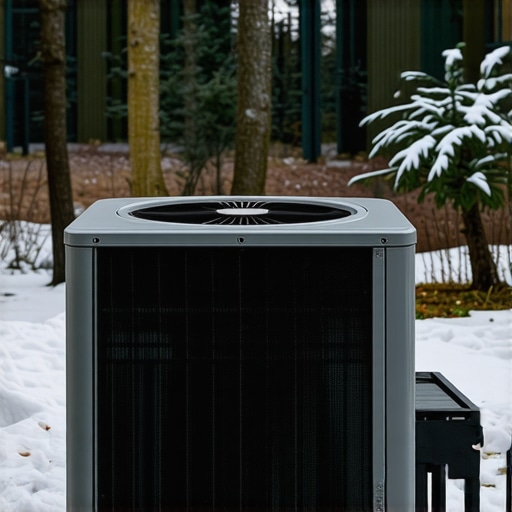
One winter, I discovered that leaves and snow had accumulated around my outdoor unit, blocking airflow. I used a sturdy brush and a garden hose to clear debris gently. Make sure the area around your unit is free from leaves, snow, and overgrown plants. This improves efficiency by allowing unrestricted airflow and prevents the system from overheating or freezing up. Regularly inspecting the outdoor unit, especially before winter, is key to long-lasting performance.
Inspect and Refill Refrigerant as Needed
Refrigerant levels are critical for heat pump operation. I once noticed a decrease in heating performance, which turned out to be low refrigerant. This isn’t a DIY fix—refrigerant handling requires professional expertise. But you can monitor for signs like ice buildup on the coils or warm air blowing in winter. If you suspect refrigerant issues, contact a qualified HVAC technician to perform a precise refill. Proper refrigerant levels ensure your system runs smoothly and efficiently.
Test and Calibrate Thermostat Settings
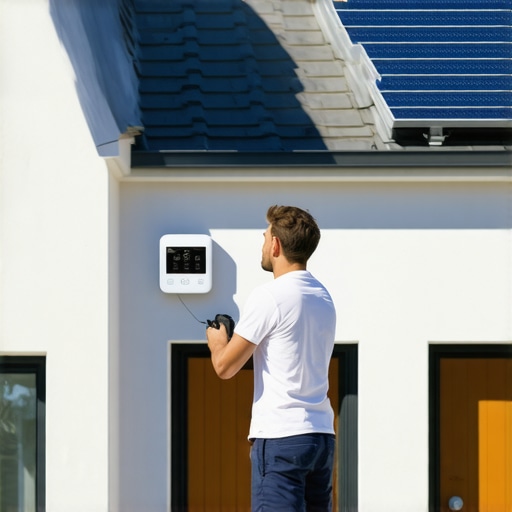
During one cold snap, I realized my thermostat was set too high, causing the system to cycle excessively. I calibrated the thermostat to a comfortable yet efficient temperature, around 68°F. Accurate thermostat calibration prevents unnecessary wear and tear on your heat pump, saves energy, and maintains consistent comfort. Consider upgrading to a smart thermostat for better control and energy savings, but always ensure it’s properly calibrated for your system.
Schedule Professional Maintenance Checks
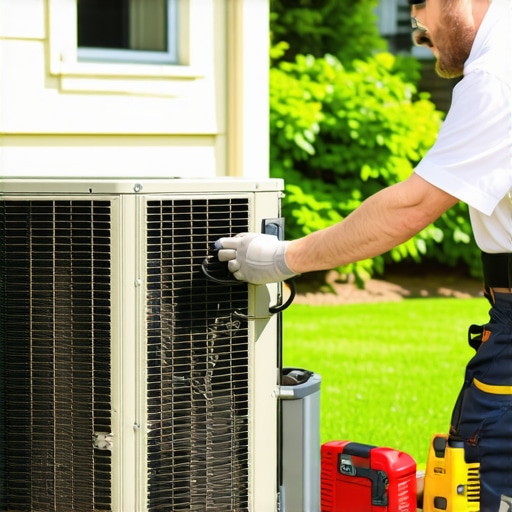
While DIY steps can handle minor issues, annual professional inspections are invaluable. I booked a tune-up, which included checking electrical connections, lubricating moving parts, and testing system pressures. This caught potential problems early, saving me from costly repairs later. Professionals also verify refrigerant levels, clean coils thoroughly, and ensure your system adheres to safety standards. Think of it as a health check-up for your heat pump—preventative care for longevity and efficiency.
Monitor System Performance and Efficiency
Keep an eye on your heat pump’s operation. If you notice unusual noises, inconsistent heating, or spikes in energy bills, it’s time to investigate. I once caught a failing fan motor early this way, avoiding complete system failure. Use your utility bills as an indicator—sudden increases often point to underlying issues. Regular monitoring helps you catch problems before they escalate, ensuring your home stays warm and your system remains reliable.
Many homeowners believe that HVAC repair is a straightforward process, but the reality is far more nuanced. One common misconception is that bigger repair issues always mean expensive replacements. In my experience, many problems that seem severe can often be resolved with targeted, expert interventions. For example, a minor refrigerant leak in a heat pump or mini-split system can be fixed with a simple recharge, avoiding the need for costly component replacements. This underscores the importance of understanding the specific symptoms and trusting skilled technicians rather than jumping to conclusions.
Why do so many people fall for the myth that DIY fixes are always sufficient?
The truth is, DIY repairs can sometimes cause more harm than good, especially with complex systems like heat pumps or multi-zone HVAC setups. Incorrectly handling refrigerants, for instance, not only risks voiding warranties but can also lead to safety hazards. According to the Department of Energy, improper refrigerant handling is a leading cause of system failures and inefficiencies. A common trap is homeowners attempting to seal leaks or recharge refrigerants themselves, which can result in improper levels, system damage, or voided warranties. Always consult a certified technician for these issues. For minor maintenance tasks, refer to this guide.
What advanced mistakes do homeowners often overlook when maintaining their systems?
Many overlook the importance of proper airflow management in their HVAC systems. Blocked vents, dirty filters, or obstructed outdoor units can significantly reduce efficiency, even if the system is well-maintained otherwise. Additionally, neglecting detailed calibration of thermostats can cause your system to cycle improperly, increasing energy costs and wear. A study by the National Renewable Energy Laboratory highlights that optimizing airflow and thermostat calibration can improve system efficiency by up to 20%. Regularly inspecting and adjusting these components is a nuanced but crucial part of long-term HVAC health.
Another often-missed nuance is the importance of understanding system age and component compatibility. Upgrading one part without considering the entire system can lead to mismatched components, reducing efficiency and lifespan. Professional assessments can identify these subtle issues before they escalate. If you want to ensure your system is running at peak performance, consider scheduling an expert inspection, especially if your system is over 10 years old. Learn more about common repair pitfalls at this resource.
Have you ever fallen into this trap? Let me know in the comments.
Investing in the Right Equipment for Longevity
To ensure your furnace, heat pump, or mini-split system continues providing reliable comfort, investing in quality tools is crucial. I personally rely on a high-grade digital multimeter like the Fluke 117, which allows me to accurately diagnose electrical issues without guesswork. It’s essential for testing voltage, current, and continuity, helping me pinpoint faulty relays or blown fuses quickly. Additionally, a refrigerant manifold gauge set is indispensable for checking system pressures—something I use regularly to verify refrigerant levels and prevent inefficient operation. These tools save time and prevent unnecessary repairs, acting as the first line of defense in maintaining system health.
Leveraging Professional-Grade Software and Apps
Modern HVAC maintenance benefits greatly from advanced software. I recommend using HVAC diagnostic apps like HVAC Buddy or FieldPulse, which streamline record-keeping, scheduling, and troubleshooting notes. These tools help track maintenance history, alert you when routine checks are due, and store detailed data on refrigerant levels or electrical tests. As technology evolves, I predict integration of IoT sensors will become standard, providing real-time data on system performance directly to your smartphone. This trend will make proactive maintenance more accessible, reducing unexpected breakdowns and extending system lifespan.
Adopting Proven Methods for Long-Term Success
Besides tools, adopting systematic maintenance routines is vital. I follow a checklist-based approach, regularly inspecting filters, coils, and electrical connections. For example, I always calibrate thermostats with a digital laser thermometer—an affordable yet precise method that ensures temperature accuracy. Additionally, I recommend scheduling annual professional inspections to catch issues early, such as refrigerant leaks or worn-out components, which DIY efforts can’t reliably detect. Combining proper tools with disciplined routines creates a resilient maintenance strategy that minimizes downtime and maximizes efficiency.
How do I maintain HVAC systems over time?
Maintaining your HVAC over the long haul involves a combination of regular inspections, using the right diagnostic tools, and staying current with technological advancements. Start by replacing filters every 1-3 months and checking outdoor units for debris—simple steps that keep airflow optimal. Use a multimeter for electrical troubleshooting and a refrigerant gauge to ensure proper charge levels. Don’t forget to calibrate thermostats with a laser thermometer for precise control. Scheduling professional tune-ups annually is equally important; technicians can identify issues like refrigerant leaks or coil corrosion before they escalate. As IoT sensors become more affordable, consider installing smart monitoring systems that send alerts directly to your phone, allowing you to catch problems early and act proactively. This integrated approach ensures your system remains efficient and reliable for years to come.
By investing in quality tools and adopting proven maintenance methods, you not only extend your HVAC system’s lifespan but also save money on repairs and energy bills. Ready to take your HVAC maintenance to the next level? Try calibrating your thermostat with a laser thermometer or installing a smart monitoring system today. For more tips on maintaining your heat pump or mini-split, visit this comprehensive guide. Your system will thank you for it!
What I Wish I Knew Before My First Heat Pump Fix
One of the biggest lightbulb moments was realizing that not every strange noise or sudden drop in performance was a sign of disaster. Sometimes, small issues like a dirty filter or minor refrigerant leak are all it takes to restore efficiency. Trusting professionals for complex repairs saved me from costly mistakes, but I learned that staying proactive with simple checks can prevent many emergencies.
How Overconfidence Led Me to Overlook Routine Maintenance
I once thought I could handle everything myself and skipped scheduled tune-ups. That mistake turned out to be costly when my system finally broke down during a cold snap. It became clear that investing in regular professional inspections, combined with DIY upkeep like filter changes, keeps the system healthy and prevents surprises.
The Power of Cutting-Edge Tools and Tech
Using a high-quality digital multimeter and refrigerant gauge transformed how I troubleshoot issues. The real game-changer was adopting smart thermostats and IoT sensors that alert me to problems before they escalate. These tools and tech make maintenance more precise and give peace of mind that my heat pump is always ready to perform.
How My Routine Became a Lifesaver
I developed a simple but effective maintenance routine: monthly filter checks, seasonal outdoor unit inspections, and annual professional tune-ups. This disciplined approach not only extended my system’s lifespan but also kept my energy bills in check. Combining routine care with the right tools makes all the difference.