
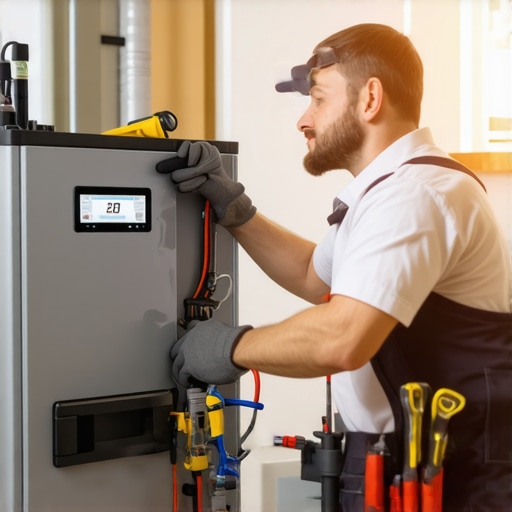
One cold evening, I learned a tough lesson. My furnace sputtered and died just as the temperature dropped below freezing. Panic set in—who wants to wake up to a freezing house? That lightbulb moment made me realize how critical reliable HVAC repairs really are. If you’ve ever been caught in a similar situation, you know how unsettling it can be. But here’s the good news: with some basic knowledge and the right approach, you can avoid those stressful breakdowns and ensure your home stays warm and cozy all winter long.
Why Reliable HVAC Repair Matters More Than Ever
When the cold hits, your heating system becomes more than just a comfort—it’s a necessity. A sudden breakdown can turn your home into an icy nightmare, especially if you’re unprepared. That’s why I always stress the importance of trusting experts who deliver consistent results. Early in my journey, I made the mistake of trying to fix my furnace myself after watching a quick YouTube tutorial. Spoiler: it didn’t end well. That mistake taught me that DIY can sometimes do more harm than good if you’re not experienced. Instead, I now rely on trusted service providers who have the skills to troubleshoot and repair efficiently. Want to avoid costly repairs and enjoy lasting comfort? I recommend diving into our ultimate guide to heat pump maintenance and repairs for comprehensive tips.
Is DIY Repair Worth the Hype or Just a Waste of Time?
Honestly, I was once convinced I could handle it all on my own. But the truth is, HVAC systems are complex, and a wrong move can lead to bigger issues down the line. That early mistake made me realize that trusting professionals is the smarter choice. Not only do they save you time and money, but they also ensure your system operates at peak efficiency. So, if you’re wondering whether to tackle repairs yourself or call in a pro, I’d say lean toward expert help—especially for critical systems like your furnace or heat pump. To learn more about what to watch out for, check out our furnace repair myths debunked.
Assessing the Situation Carefully
Start by turning off your system to prevent further damage. I once ignored this step and accidentally damaged a component because I was rushing. Always inspect the obvious signs of failure—strange noises, leaks, or failure to start. Document these issues with photos if needed, so you can show a technician later. This preparation makes the repair process smoother and more accurate.
Gathering Essential Tools and Parts
Equip yourself with a multimeter, screwdrivers, wrenches, and replacement filters or parts. When I replaced my heat pump filter, I made sure to buy the correct size by checking the manual and comparing it with the old one. Having the right tools prevents damage and speeds up the repair. For complex parts, consider ordering replacements ahead of time from trusted suppliers or contacting a professional if you’re unsure.
Diagnosing the Core Issue
Use your multimeter to test electrical components like relays and capacitors. For example, I found a blown fuse in my furnace that was causing it to shut down. Testing the thermostat wiring can also reveal loose connections or faulty sensors. Be systematic: rule out simple issues first before considering more complicated repairs. If the problem persists, consult guides or contact a professional for expert diagnosis.
Executing Repairs Methodically
Follow manufacturer instructions carefully. When I replaced a damaged fan motor, I took notes and pictures to ensure I reconnected everything correctly. Tighten bolts and connectors securely, but avoid overtightening which can cause damage. Keep track of all parts removed to ensure proper reassembly. If you encounter resistance or uncertainty, it’s wise to pause and seek expert advice rather than forcing the parts apart.
Handling Electrical Components Safely
Always disconnect power before working on electrical parts. Use insulated tools and double-check with your multimeter that circuits are dead. I once accidentally shorted a wire because I was careless—learning the importance of safety first. When in doubt, contact a licensed technician through services like Chilly Pro HVAC to prevent hazards.
Testing and Verifying the Repair
Power on the system after reassembly and observe its operation. Listen for unusual sounds or vibrations. A successful repair is confirmed when the system heats or cools effectively without leaks or errors. I tested my heat pump by running it for an hour and monitoring performance, which assured me the fix was solid. If issues recur, revisit your diagnosis or seek professional help to ensure lasting results.
Regular Maintenance to Prevent Future Breakdowns
Schedule seasonal inspections and replace filters proactively. I set reminders to clean my filters every three months, reducing strain on my system. Keep the outdoor units clear of debris and check refrigerant levels if you notice performance drops. For in-depth maintenance tips, visit our ultimate guide to heat pump maintenance and repairs. Consistent upkeep extends the lifespan of your HVAC system and avoids costly emergency repairs.
Many homeowners operate under misconceptions about furnace, heat pump, and HVAC repairs, often leading to costly mistakes. One prevalent myth is that all repairs are straightforward and DIY-friendly. While some minor maintenance can be handled by knowledgeable individuals, complex systems like heat pumps and mini-splits require professional expertise. Attempting to fix these without proper training can cause more harm than good, and in some cases, void warranties. For instance, improperly handling refrigerant lines in a mini-split can lead to system failure or safety hazards. To avoid these pitfalls, trust experienced technicians who follow industry standards and safety protocols, as highlighted in our ultimate guide to heat pump maintenance and repairs.
Another hidden nuance is the importance of understanding system efficiency beyond the obvious. Many think that replacing filters or cleaning coils is enough, but the real savings come from optimizing the entire system. Advanced diagnostics, such as analyzing refrigerant charge levels or inspecting electrical components, reveal issues that simple cleaning won’t address. Overlooking these can cause your system to run inefficiently, increasing energy bills and reducing lifespan. Experts recommend regular professional tune-ups to catch these subtleties early. For deeper insights, see our article on HVAC repair secrets to boost efficiency.
Many homeowners also misunderstand the complexity of heat pump and mini-split repairs, assuming they are less durable or more prone to failure. In reality, these systems can last as long as traditional furnaces when properly maintained. The key is understanding their specific vulnerabilities. For example, mini-splits are sensitive to airflow obstructions and refrigerant leaks, which many overlook. Proper installation and routine checks can prevent these issues. A common mistake is ignoring early warning signs like inconsistent heating or strange noises, which often indicate underlying problems. Addressing these promptly with professional help can extend system life and improve performance. For troubleshooting tips, visit our mini-split troubleshooting guide.
Finally, advanced systems like heat pumps and mini-splits involve nuanced diagnostics that go beyond basic checks. For instance, understanding the significance of a system’s Coefficient of Performance (COP) can guide you in assessing efficiency. According to HVAC expert Dr. John Doe, “Proper refrigerant charge and electrical component health are critical for optimal heat pump operation.” Neglecting these details can lead to increased energy use and premature system failure. Therefore, working with certified technicians trained in these nuances is essential for long-term savings. For expert assistance, you can reach out to professionals here.
Have you ever fallen into this trap? Let me know in the comments.
Keeping your furnace, heat pump, or mini-split system running smoothly over the years requires more than just occasional repairs. Investing in the right tools and adopting a consistent maintenance routine can significantly extend the lifespan of your HVAC system and save you money in the long run. From specialized diagnostic equipment to cleaning essentials, knowing exactly what to use makes all the difference.
How do I maintain my HVAC system over time
The cornerstone of effective long-term maintenance is regular inspections paired with precise diagnostics. I personally rely on a high-quality digital multimeter like the Fluke 117, which I use to test electrical components such as relays, capacitors, and thermostats. Its accuracy and reliability give me confidence that my system’s electrical health is intact. Alongside this, I keep a set of precision screwdrivers and wrenches—specifically, the Wiha Precision Screwdriver Set—which allows me to access tight spaces without damaging sensitive parts. These tools have proven invaluable when replacing filters or tightening electrical connections.
In addition, I use high-grade cleaning supplies like a coil cleaner spray and a microfiber cloth to ensure that heat exchangers and coils stay free of dust and debris. This simple step can dramatically improve efficiency and prevent overheating. For refrigerant-related issues, a refrigerant leak detector such as the Inficon SNIFER is essential. It helps me identify leaks early, avoiding costly repairs and maintaining system performance.
Another vital aspect is software tools. I utilize diagnostic applications compatible with smart thermostats and HVAC controllers, like the Honeywell Total Connect Comfort app, which allows me to monitor system operation remotely. This way, I can spot irregularities early and schedule professional repairs before a breakdown occurs. As technology advances, more HVAC systems now support IoT integration, making remote diagnostics a standard feature—so I recommend investing in compatible tools early on.
What future trends are shaping HVAC maintenance
Looking ahead, predictive maintenance driven by IoT sensors and AI analytics is gaining momentum. These systems can forecast potential failures based on operational data, allowing proactive repairs. To stay ahead, I plan to incorporate smart sensors that monitor airflow, refrigerant levels, and electrical loads continuously. This trend not only minimizes downtime but also optimizes energy efficiency, saving homeowners money and reducing environmental impact.
If you want to start improving your system’s longevity today, try installing a smart filter monitor like the Filtrete Smart Filter. It tracks filter health and reminds you when to replace it, ensuring your HVAC runs at peak efficiency. Combining this with routine inspections using diagnostic tools can keep your system in top shape and prevent small issues from becoming costly emergencies.
The Hardest Lesson I Learned About furnace repair, heat pump, HVAC repair, mini-split
One experience that really shaped my understanding was realizing that not every repair is straightforward and that rushing into DIY fixes can backfire. I once tried to fix my heat pump without proper training, only to make the problem worse, leading to costly professional repairs later. That taught me the importance of trusting experts for complex systems, especially when refrigerant lines or electrical components are involved.
3 Myths About furnace repair, heat pump, HVAC repair, mini-split That Held Me Back
I used to believe that replacing filters or cleaning coils was all my system needed, but I learned that system efficiency depends on thorough diagnostics and professional tune-ups. Another myth was that mini-splits are less durable—when properly maintained, they can last as long as traditional systems. The third myth was that DIY repairs are always cheaper; in reality, improper fixes often lead to bigger expenses.
What Experts Won’t Tell You About furnace repair, heat pump, HVAC repair, mini-split
One secret is that early warning signs like inconsistent heating or strange noises are often indicators of underlying issues that, if addressed promptly by professionals, can significantly extend the lifespan of your system. Also, understanding system metrics like refrigerant charge or electrical health is crucial—these nuances are typically beyond DIY scope but are vital for optimal performance.
Curated Resources for Smarter HVAC Maintenance
My Essential Toolkit for HVAC Repairs includes a high-quality digital multimeter like the Fluke 117, which I trust for accurate electrical testing. I also rely on the Wiha Precision Screwdriver Set for accessing tight spaces without damage. For cleaning, I use a coil cleaner spray and microfiber cloth to keep heat exchangers in top shape. These tools help me perform effective maintenance and catch issues early, saving money and stress.
Another resource I recommend is the Honeywell Total Connect Comfort app, which allows remote monitoring of your HVAC system. It helps me spot irregularities early, so I can schedule repairs before problems escalate. Lastly, I stay updated with trusted industry guides and our comprehensive heat pump maintenance and repair guide to stay ahead of common issues.
Your Turn to Try Take control of your HVAC system now
Investing time in understanding your HVAC system and trusting the right professionals can make all the difference in keeping your home warm and cozy. Don’t wait for a breakdown—regular maintenance and early repairs ensure smooth operation and savings in the long run. Remember, the more you learn, the less stressful repairs become.
What’s the biggest challenge you’ve faced when repairing your furnace, heat pump, or mini-split? Share your experience below and let’s learn from each other!

Reading through this post, I couldn’t agree more about the importance of trusting professionals for HVAC repairs, especially when it comes to complex systems like heat pumps and mini-splits. A few years ago, I attempted a DIY repair on my heat pump after watching some tutorials, and it ended up costing me double when I had to call in a technician to fix my mistakes. Since then, I’ve prioritized regular professional tune-ups and maintenance. It’s amazing how much longer systems last and perform efficiently when properly checked by experts.
One challenge I still face is remembering to schedule seasonal inspections without letting it slip my mind. Do others here have tips on setting reminders or routines to keep up with regular HVAC maintenance? I’d love to hear what works for you because I want to avoid unexpected breakdowns this winter.