
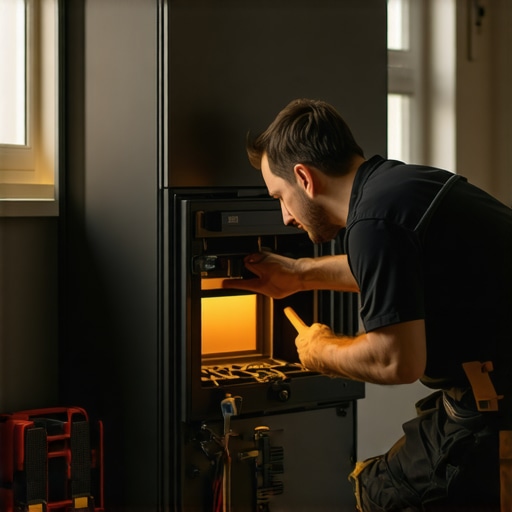
Imagine this: It’s a cold winter evening, and I wake up shivering because my furnace decided to quit just when I needed it most. The panic hits hard. I’ve been there—frozen, frustrated, and unsure who to call for help. That was my lightbulb moment. I realized that trusting the right furnace repair experts isn’t just a convenience; it’s a necessity for lasting comfort. Today, I’m here to share what I learned about finding reliable solutions in 2024, so you don’t have to face the same chilly surprise.
Why Reliable Furnace Repairs Matter More Than Ever
Let’s be honest. Your home’s heating system is like a silent partner—until it fails. When that happens, the whole house feels off. Maybe you’ve experienced it—cold spots, strange noises, or worse, complete system breakdowns. The importance of quick, trustworthy repairs can’t be overstated. A faulty furnace not only makes life uncomfortable but can also lead to higher energy bills and even safety risks if left unchecked. According to the Department of Energy, an efficient HVAC system can reduce energy costs by up to 30%, making expert repairs a smart investment.
If you’ve ever tried to fix your furnace yourself or called a less-than-qualified technician, you know the dangers. A mistake early on—like ignoring weird noises or neglecting regular maintenance—can turn minor issues into costly disasters. Trust me, I learned that the hard way. That’s why I now prioritize working with certified professionals who understand the ins and outs of furnace repair and maintenance. Whether it’s a traditional furnace, heat pump, or mini-split system, expert help ensures durability and efficiency. Want to avoid those costly pitfalls? Keep reading. We’ll cover how to choose the right repair experts and what questions to ask before you sign on the dotted line.
Have you ever faced a sudden heating failure during the coldest night of the year? If so, you’re not alone. Many homeowners find themselves scrambling when their systems break down unexpectedly. The key is knowing how to spot reliable HVAC repair services quickly and confidently. Let’s dive into the practical steps to find trustworthy help that guarantees lasting comfort and peace of mind.
Identify the Signs of Furnace Trouble Without Delay
My first step was recognizing the warning signs early. Last winter, I noticed strange noises and uneven heating, which made me realize I needed professional help before the system completely failed. Look out for inconsistent warmth, strange smells, or unexplained increases in energy bills. These are clear indicators that your furnace or heat pump needs expert attention. The key is acting quickly to prevent further damage and higher costs.
Research and Shortlist Certified HVAC Professionals
Next, I used trusted resources to find qualified technicians. I checked reviews on local directories and visited the technician’s website to verify credentials. Certified professionals typically display their licenses and certifications prominently. I avoided amateurs or cheap last-minute options, understanding that quality work ensures long-term savings and safety. For detailed criteria, see the ultimate guide to HVAC repair.
Ask the Right Questions Before Hiring
When I called potential service providers, I prepared a list of questions: Do you offer a free consultation? Are you licensed and insured? What’s your experience with my specific system? Will you provide a written estimate? Asking these questions filters out unqualified contractors. Remember, a reputable company should willingly share their credentials and explain their process clearly. My experience was smoother when I chose a firm that answered confidently and transparently, which I later confirmed by checking their reviews.
Schedule a Precise Inspection and Get a Detailed Quote
Once I selected a technician, I scheduled an in-home assessment. During the inspection, I watched how they diagnosed issues—like checking the blower motor, heat exchanger, and electrical connections. A reliable technician should explain each step and avoid unnecessary repairs. I received a detailed quote, including parts, labor, and warranty info. This transparency prevented surprises later. For complex systems like mini-splits or heat pumps, I referred to mini-split troubleshooting tips to understand what to expect.
Verify the Repair Warranty and Follow-Up Service
Before confirming the repair, I ensured the service came with a warranty on parts and labor. A trustworthy company stands behind their work; I checked their policy on follow-up visits if issues reoccur. This step gave me peace of mind knowing that my investment was protected. After the repair, I also scheduled routine maintenance, which is crucial for longevity. For ongoing care, I used resources like HVAC maintenance secrets to keep my system running efficiently.
Keep Records and Monitor System Performance
Finally, I kept detailed records of repairs, warranties, and maintenance schedules. Regular checkups help catch minor issues early, saving money and preventing emergencies. I also set reminders for filter replacements and system tune-ups. This proactive approach ensures my furnace or heat pump remains reliable through the cold months. Remember, trusting experienced professionals and following their advice is the best way to enjoy lasting comfort in 2024 and beyond.
Many homeowners enter the world of furnace, heat pump, and mini-split repairs with a set of misconceptions that can lead to costly mistakes. One of the most pervasive myths is that all repair services are created equal. In reality, the nuances of HVAC systems demand technicians with specialized training and certifications. For example, a technician experienced with traditional furnaces may not be fully equipped to handle modern mini-split systems, which often require different diagnostic tools and expertise. To ensure you’re working with qualified professionals, always verify their credentials and experience, especially for complex systems like heat pumps. You can find more insights on selecting trustworthy HVAC repair providers in the ultimate guide to heat pump maintenance and repairs.
Another common misconception is that regular maintenance is unnecessary if the system seems to be working fine. This “set it and forget it” mentality can backfire, as minor issues often develop into major failures if left unaddressed. Many homeowners neglect the importance of routine inspections and tune-ups, which are critical for maintaining system efficiency and longevity. For instance, ignoring refrigerant levels or dirty filters can cause the system to work harder, increasing energy bills and decreasing lifespan. Regular maintenance, as detailed in expert resources, helps catch these issues early and prevents expensive repairs down the line. For a detailed breakdown of what routine maintenance entails, read trusted HVAC repair results for lasting comfort.
What Advanced Mistakes Do Even Experienced Homeowners Make When Dealing with HVAC Systems?
One sophisticated trap is attempting DIY repairs based on online tutorials or advice. While some minor tasks like changing filters are straightforward, more complex issues—such as diagnosing refrigerant leaks or electrical problems—require professional diagnostic tools and knowledge. Misdiagnosis can lead to unnecessary part replacements or damage to sensitive components. Additionally, homeowners often overlook the importance of system calibration after repairs, which affects performance and energy efficiency. Experts emphasize that proper calibration and system testing post-repair are crucial steps often skipped by amateurs, resulting in suboptimal operation. According to industry studies, improper repairs or neglecting calibration can reduce HVAC efficiency by up to 20%, negating the benefits of professional service. To avoid these pitfalls, always rely on certified technicians. You can find more tips on effective repairs in the reliable HVAC repair results for 2024.
Ultimately, understanding the hidden nuances and debunking common myths can save you money and improve your home’s comfort. Have you ever fallen into this trap? Let me know in the comments.
How do I keep my HVAC system running smoothly over time?
Maintaining your heating and cooling systems isn’t just about calling a technician when something breaks. It’s a proactive process that involves the right tools, consistent checks, and a bit of know-how. Personally, I rely on a few key pieces of equipment to keep my furnace, heat pump, and mini-split systems in top shape throughout the year.
One of my must-have tools is a digital multimeter. I use it to test electrical components, ensuring that voltage and current levels are normal, which helps catch issues before they escalate. For example, when troubleshooting a heat pump, I check the capacitor and contactor with the multimeter to verify proper operation. This simple, affordable device saves me from unnecessary part replacements and ensures safe operation.
Another vital tool is a refrigerant leak detector. Modern systems, especially mini-splits and heat pumps, rely heavily on refrigerant levels. I personally prefer an infrared leak detector because it provides quick, accurate readings without the mess of dye or soap bubbles. Regular use of this tool helps me identify leaks early, maintaining system efficiency and preventing costly repairs.
Beyond tools, software plays an increasingly important role. I utilize HVAC diagnostic apps that guide me through troubleshooting steps based on symptoms I observe. These apps, like HVAC maintenance secrets, help me interpret readings, recommend specific tests, and even schedule maintenance reminders. As smart home integration becomes more prevalent, I see a future where remote diagnostics and AI-powered alerts will help homeowners catch issues proactively, even before symptoms appear.
To keep systems performing optimally, I follow a routine of seasonal checks. In spring and fall, I inspect filters, clean condenser coils, and verify thermostat calibration. For the more complex components like compressors or electrical panels, I rely on my multimeter and leak detector for quick assessments. This approach, combined with scheduled professional inspections, maximizes longevity and efficiency.
Looking ahead, I predict that technological integration will become the norm. IoT-enabled sensors will continuously monitor system health, and maintenance dashboards will alert homeowners to issues in real time. This trend will democratize HVAC care, making it easier for homeowners to maintain their systems without constant expert intervention.
If you want to start implementing these practices, I recommend investing in a quality multimeter and refrigerant leak detector. These tools are cost-effective and invaluable for early diagnosis. Remember, consistent maintenance not only keeps your system running reliably but also saves money in the long run. For a detailed look at how to perform routine checks, visit the ultimate guide to heat pump maintenance and repairs.
Take control of your HVAC health today—start with small, regular checks using these essential tools and see the difference in your home’s comfort and energy bills.
The Hardest Lesson I Learned About Furnace and HVAC Repairs
One of the most impactful lessons I discovered was that not all repair services are created equal. Initially, I trusted the lowest price without checking credentials, which led to repeated breakdowns and higher costs over time. It became clear that investing in certified professionals pays off in durability and safety.
The Myth That Regular Maintenance Is Optional
I used to believe if my system ran fine, I didn’t need routine checkups. That mindset was my biggest mistake. Small issues like dirty filters or minor refrigerant leaks, if ignored, can cause major failures later. Regular inspections and maintenance are essential for long-term efficiency and peace of mind.
Why DIY Can Be a Costly Trap
Trying to fix complex HVAC problems based on online tutorials often backfired. I learned the hard way that refrigerant leaks or electrical issues require professional tools and expertise. Skipping professional diagnosis can lead to unnecessary expenses and damage to sensitive components.
Understanding Calibration Matters More Than You Think
After repairs, I realized system calibration is crucial for optimal performance. Many homeowners overlook this step, which can reduce efficiency by up to 20%. Ensuring proper calibration and testing post-repair guarantees your system works at peak performance.
Curated Resources That Changed My Approach
- Trusted HVAC maintenance guides: They provided step-by-step routines to keep my system running smoothly. I rely on these for seasonal checks and troubleshooting tips.
- HVAC diagnostic tools: A quality multimeter and refrigerant leak detector are my go-to tools. They help me identify issues early and save money.
- My favorite online resource: The comprehensive ultimate guide to heat pump maintenance and repairs offers expert advice that’s easy to follow and trustworthy.
- Local certified technicians: I always verify credentials before hiring, which ensures I get quality work that lasts.
Take Control of Your HVAC Future Today
Maintaining your heating and cooling systems is an ongoing process, not just a reaction to breakdowns. Regular checks, trusted tools, and professional help can keep your home warm and comfortable through 2024 and beyond. The key is to stay informed, proactive, and never settle for less than certified expertise.
What’s the biggest HVAC myth you’ve believed so far? Share your experiences below—I’d love to hear your story and help you avoid common pitfalls!
Reading this post really resonated with me because I’ve gone through a freezing night where my furnace broke down unexpectedly during a cold snap. It’s a reminder of how crucial it is to work with qualified, certified HVAC professionals, especially for complex systems like mini-splits or heat pumps. I remember calling a technician who seemed cheap but lacked proper qualifications, which ended up costing me much more in repairs later. Since then, I’ve made it a point to verify credentials and ask detailed questions before hiring anyone. What’s been helpful for me is keeping a record of all repairs and maintenance schedules, which helps catch potential issues early. I’m curious, what’s the most surprising thing you’ve learned about HVAC system maintenance after experiencing a breakdown? It seems like being proactive with routine checks can really prevent emergencies and save money in the long run.
I really appreciate this comprehensive overview of furnace troubleshooting and the importance of working with licensed professionals. Last winter, I faced a similar emergency when my system suddenly stopped during a cold snap, and I learned firsthand how crucial it is to recognize the early warning signs of trouble. I especially agree with the idea of documenting repairs and maintenance, as it helps track recurring issues and ensures warranty coverage. One thing I found helpful was investing in a good-quality thermostat and scheduling regular professional inspections, which seem to prevent many surprises. Have any of you used smart thermostats or diagnostic apps? I’m curious if these tools truly make a difference in catching problems early and maintaining system efficiency. Overall, the post reinforces the value of proactive care and trusting certified pros—something I wish I’d found out sooner.