I remember the exact moment my furnace gave out during a freezing cold night. The heat dipped so low that I could see my breath in the living room, and I knew I had ignored the warning signs for too long. That sinking feeling of realizing I’d need a professional repair—or worse, a complete replacement—hit hard. It’s a familiar story for many homeowners, and honestly, it’s a shame because most of these disasters are preventable.
Why Proper HVAC Maintenance Can Save You Thousands
If you’ve ever felt the frustration of your AC or heater malfunctioning at the worst possible time, you’re not alone. It’s a common scenario that leaves homeowners scrambling and often overpaying for emergency repairs. The good news? With reliable guidance, you can dodge these costly fixes and keep your home comfortable year-round.
Are DIY Repairs Really Worth the Risk?
Initially, I thought I could handle minor issues myself—changing filters, cleaning vents, you name it. But a simple thermostat misreading turned into a full-blown refrigerant leak because I didn’t recognize the warning signs early enough. That mistake taught me the importance of trusting experienced professionals for critical repairs. A little knowledge is good, but when it comes to complex systems like heat pumps or mini-splits, expert intervention ensures safety and efficiency. If you want to learn more about troubleshooting before calling a pro, check out this detailed guide.
Early mistakes often lead to bigger problems. Misdiagnosing a noisy furnace or ignoring irregular cooling may seem minor, but these issues can escalate quickly. That’s why I can’t emphasize enough the importance of regular maintenance and knowing when to reach out for trusted repairs. Reliable service doesn’t just fix the problem—it extends the lifespan of your HVAC components and saves money in the long run. For comprehensive tips, explore these HVAC secrets for better efficiency.
So, have you faced unexpected HVAC breakdowns? If so, you’re not alone, but you’re also in the right place. Together, we’ll explore how to identify issues early and ensure your home stays warm in winter and cool in summer—without breaking the bank. Let’s dive into the practical steps you can take today to make sure your system delivers lasting comfort, backed by expert advice and proven solutions.
Diagnose Before You Dive In
When my furnace started making strange noises, I knew it was time for an inspection. To avoid costly repairs, I first turned off the system to prevent further damage. Then, visually examined accessible components like filters, vents, and the thermostat for obvious issues. Think of it like checking your car’s oil levels—simple but essential. This initial assessment helps pinpoint whether it’s something you can handle or if professional help is needed.
Clean and Replace Filters Effectively
Next, I replaced the dirty filters that were clogged with dust and debris. Remember, filters act as the lungs of your HVAC system, trapping particles to keep the air clean. Using a screwdriver, I removed the filter panel, took out the old filter, and installed a new one according to the manufacturer’s specifications. Regular filter replacement is like changing your socks—it keeps everything fresh and functioning properly. For tailored tips, consult this maintenance guide.
Inspect and Clear Ducts and Vents
I used a flashlight to check for obstructions or dust buildup inside the vents. If I found blockages, I carefully removed and cleaned the vents with a damp cloth. Clear ducts ensure optimal airflow, preventing your system from overworking. Think of it like unclogging a drain—nothing should block the path of air. For detailed vent cleaning techniques, see this expert advice.
Test Thermostat Accuracy
I calibrated my thermostat by setting it to a specific temperature and verifying if the system responded appropriately. An inaccurate thermostat can cause unnecessary wear or discomfort. To test, I used an independent thermometer in the room and compared readings. If discrepancies arose, I adjusted or replaced the thermostat. Think of it as tuning a musical instrument—precision leads to harmony. Learn more about thermostat calibration at this comprehensive guide.
Lubricate Moving Parts and Check Wiring
Next, I applied a few drops of lubricant to the blower motor and fan bearings. Moving parts need smooth motion to avoid overheating and failure. For wiring, I inspected connections for corrosion or looseness, tightening terminals as necessary. It’s like maintaining bicycle chains—well-lubricated and tight for efficient riding. Never attempt electrical fixes without proper knowledge; when in doubt, consult professional services.
Schedule Regular Professional Maintenance
After completing these steps, I booked a professional tune-up. Certified technicians perform in-depth inspections, verifying refrigerant levels, checking heat exchangers, and ensuring safety mechanisms work correctly. This is akin to a yearly health check-up—preventive care saves money and extends lifespan. Routine maintenance also ensures your system runs at peak efficiency, reducing energy bills. Explore trusted repair results for lasting comfort.
Many homeowners believe that furnace repairs, mini-splits, and heat pump maintenance are straightforward tasks they can handle with basic knowledge. However, this oversimplification often leads to overlooked nuances that can cause costly mistakes.
Why Do People Underestimate the Complexity of HVAC Systems?
It’s tempting to think that regular cleaning or filter replacements are enough, but the reality is far more intricate. HVAC systems involve complex thermodynamics, electrical wiring, and refrigerant management, areas where amateur attempts can cause damage or safety hazards. According to industry experts, neglecting these complexities can lead to inefficiencies and premature failures, making professional consultation essential. For example, many assume that recharging refrigerant is as simple as adding more, but overcharging can reduce system efficiency and damage components—an ‘oops’ often made by homeowners unaware of system specifications. Never ignore the precise service requirements outlined by manufacturers, as outlined in this detailed heat pump maintenance guide.
What Are the Biggest Mistakes During HVAC Repairs
One common trap is attempting DIY repairs without understanding the system’s nuances. For instance, bypassing diagnostic procedures to skip straight to parts replacement may seem efficient, but it actually prolongs repair time and increases costs. Additionally, ignoring the importance of calibrating thermostats or neglecting duct inspections can lead to persistent comfort issues. A well-maintained HVAC system requires regular professional check-ups; relying solely on superficial fixes is a recipe for disaster. Proper diagnostics and tailored solutions, like those offered at trusted repair services, mitigate these risks and ensure longevity. Read more about secrets for boosting system efficiency.
Why Advanced Knowledge Matters for Long-Term Savings
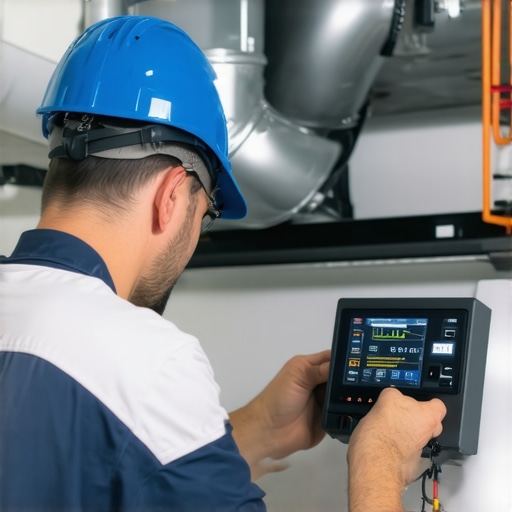
Understanding how different components interact within your system can drastically reduce long-term repair costs. For example, knowing that a mini-split’s compressor and fan motors require specific lubrication and electrical checks prevents early failures. As studies show, proactive maintenance informed by expert knowledge can extend equipment lifespan and optimize energy use. It’s not just about fixing what’s broken but preventing breakdowns before they happen. If you’re curious about more sophisticated maintenance strategies, this comprehensive repair approach offers valuable insights. Always remember, entrusting repairs to professionals who understand the intricacies of HVAC systems is the smartest move. Have you ever fallen into this trap? Let me know in the comments.Maintaining your HVAC system involves more than routine filter changes; it requires the right tools and methods to detect issues early and ensure long-term performance. One essential tool I personally rely on is a digital manifold gauge set, which allows me to check refrigerant pressures accurately—crucial for mini-split and heat pump systems. Unlike basic pressure meters, a digital manifold provides real-time data and alerts to abnormal readings, helping prevent costly repairs and inefficiencies.
Another indispensable item is an infrared thermometer, which helps me quickly identify temperature inconsistencies across vents and evaporator coils. Spotting cold or hot spots early can indicate insulation leaks or compressor issues before they escalate.
For diagnostic software, I recommend using a multimeter with a NCV (Non-Contact Voltage) feature. This allows safe testing of electrical components without direct contact, preventing accidents and ensuring safety during inspections. Personally, I trust my Fluke multimeter for its durability and precision, essential qualities in troubleshooting complex HVAC wiring.
Preparation is also key—keeping a detailed maintenance log helps track service history, pattern of issues, and upcoming preventive tasks. I document this either on a physical notebook or through an HVAC-specific app like Service Fusion, which streamlines scheduling and record-keeping.
Looking ahead, I predict smart diagnostics will become standard, integrating sensors and IoT technology for real-time system monitoring. This trend will continue to improve maintenance accuracy and reduce downtime.
How do I maintain HVAC systems over time
Regular inspections and proactive troubleshooting are vital. If you notice strange noises, airflow changes, or uneven temperatures, using tools like those I mentioned can pinpoint the root cause. For example, checking refrigerant levels with a manifold gauge set is a simple step you can perform to prevent compressor failure. Remember, when in doubt, consulting professional resources ensures safety and efficiency. For more detailed guidance, explore this comprehensive maintenance guide.
Don’t hesitate to try out a digital manifold gauge on your next check. Accurate readings can save you hundreds of dollars by catching issues early and avoiding unnecessary emergency calls. Proper tool use not only extends your system’s lifespan but also boosts energy efficiency—making it well worth the investment. For expert advice on troubleshooting, visit this trusted repair resource and start mastering your system today.
What I Wish I Knew When I Started Fixing HVAC Systems
The biggest lesson I learned is that patience and consistent learning trump quick fixes. Rushing into DIY repairs without understanding the system can lead to costly mistakes, like overcharging refrigerant or damaging delicate components. Taking time to study reliable guides and knowing my limits has saved me hundreds of dollars and prevented emergencies. Trusting experts, especially for complex issues like heat pump repairs, is crucial—never underestimate the complexity of these systems.
Tools and Resources That Changed My Approach
Over time, I discovered that investing in quality tools such as a digital manifold gauge and infrared thermometer profoundly impact diagnostics. Using trusted sources, like the comprehensive guides on this site, has expanded my understanding. Books like “HVAC Secrets for Better Efficiency” provide in-depth knowledge that extends beyond surface-level fixes and builds confidence in troubleshooting.
Feeling Empowered to Handle HVAC Challenges
The most meaningful change was realizing I could proactively maintain my HVAC system instead of waiting for failures. Regular inspections, using my tools, and scheduling professional check-ups foster a sense of control and security. With the right mindset and resources, homeowners can prevent most breakdowns, ensuring lasting comfort without breaking the bank. The future of HVAC care is in our hands—preparedness and knowledge are our best allies.