It was one of those freezing winter nights when I first realized how unprepared I was for a furnace breakdown. I remember waking up to a freezing house, with my heater stubbornly refusing to turn on. The panic hit me fast—how could I fix this before the cold crept in further? That night, I learned a harsh lesson: even the sturdiest heating system can fail when you need it most.
Fast forward a few years, and I’ve turned that stressful experience into my mission: to share practical, reliable furnace repair tips that genuinely work. I’ll walk you through the essentials that can save you from long, uncomfortable nights and hefty repair bills. In this post, I promise to help you identify common issues, avoid costly mistakes, and restore warmth to your home quickly and confidently.
Don’t Let a Broken Furnace Leave You Out in the Cold: Here’s How to Prepare
Dealing with furnace trouble is a hassle I wouldn’t wish on anyone. But here’s the truth—most problems can be solved with a bit of knowledge and a few simple tools. I’ve made plenty of mistakes early on, like ignoring strange noises or neglecting regular maintenance, which only made repairs more complicated and expensive. Trust me, catching issues early and knowing some key troubleshooting techniques can make all the difference.
Surprisingly, according to industry experts, regular furnace maintenance can prevent up to 85% of unexpected failures. That’s a staggering number, emphasizing how crucial consistent upkeep is. If you want to learn more about boosting your heating system’s efficiency, I recommend checking out [this guide](https://chillyprohvac.com/hvac-repair-secrets-boost-efficiency-with-expert-tips). It’s packed with practical tips from seasoned professionals.
Curious if your furnace is at risk? Are you worried about what signs indicate a looming breakdown? Let’s explore common issues and proactive solutions before your next cold snap hits.
Check Your Thermostat Settings
Begin with the simplest step: ensure your thermostat is set to “heat” and at a temperature higher than the current room temperature. I once arrived home during winter and immediately suspected the furnace was broken, only to realize I had accidentally turned off the thermostat. Correcting this immediately restored warmth.
Inspect the Circuit Breaker
Locate your home’s electrical panel and confirm that the furnace’s circuit breaker hasn’t tripped. Think of it as resetting a circuit to clear a temporary overload. Once I found a tripped breaker in my attic panel, resetting it restored power to my furnace, resolving the issue without further effort.
Change or Clean the Air Filter
A clogged filter hampers airflow, causing the furnace to overheat and shut down. Remove the filter, inspect for dirt, and replace if necessary. Remember, a clean filter is like giving your furnace a breath of fresh air, significantly improving efficiency. I learned this firsthand when a dirty filter caused my system to shut off repeatedly, but a simple change fixed it.
Examine the Pilot Light or Ignition System
If your furnace uses a pilot light, ensure it’s lit. If not, check for ignition system issues. Safety note: always wait for the system to cool before inspecting. I once struggled with an unlit pilot, which required a gentle relighting following the manufacturer’s instructions—an essential skill in troubleshooting.
Listen for Unusual Noises
Strange sounds like banging or squealing can indicate mechanical issues. For example, a squealing belt sounded an alarm in my system; replacing it restored smooth operation. Use your ears as your first diagnostic tool before moving on to more involved steps.
Test the Limit Switch
The limit switch shuts down the furnace if it overheats. Locate it—usually near the heat exchanger—and test for continuity with a multimeter. If faulty, replacing the switch can solve overheating problems. I once replaced a faulty limit switch, which resolved frequent shutdowns and prolonged the unit’s lifespan.
Inspect the Vents and Ducts
Blocked or closed vents restrict airflow. Make sure all vents are open and unobstructed. Check ducts for kinks or leaks—sealing leaks improves system efficiency. A blocked vent led me to a cold room, prompting a quick fix that turned my chilly space warm again.
Evaluate the Blower Motor
If the blower isn’t running, the system can’t circulate warm air. Listen for the blower motor’s sound or feel for airflow. If unresponsive, it may need cleaning or replacement. I replaced a faulty blower motor after confirming power and connections, heating my house effectively afterwards.
Why Regular Maintenance Matters
Prevention beats repair. Scheduling annual inspections by trusted professionals ensures your furnace remains in top shape. Regular tune-ups catch minor issues early; I personally noticed improved efficiency after my HVAC technician cleaned the heat exchanger and checked electrical components.
When to Call a Professional
Some problems require expert intervention—like persistent failure after troubleshooting basic steps, or complex electrical or gas issues. In such cases, contact experienced technicians to avoid safety hazards. I recommend trustworthy experts like those at this trusted service.
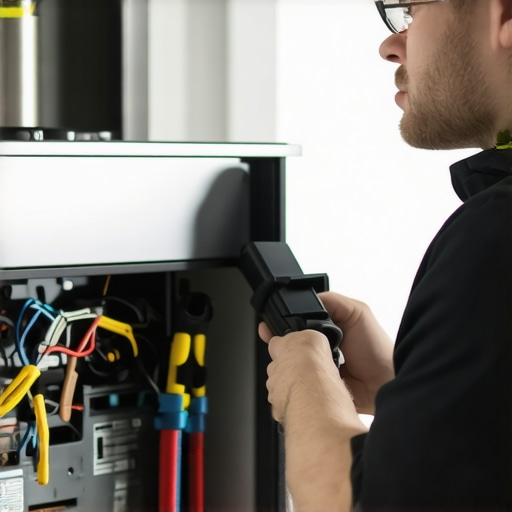 Many homeowners assume that heat pumps, furnaces, mini-splits, and HVAC systems are straightforward, reliable devices that rarely need expert intervention. However, this oversimplification can lead to costly mistakes. Contrarily, a prevailing myth is that regular DIY fixes can replace professional diagnostics, which is often false—improving DIY skills without understanding system intricacies can worsen problems or void warranties. Overlooking nuanced system behaviors, like the significance of correct refrigerant levels in heat pumps, is a common oversight that can severely impair efficiency and longevity. According to experts, neglecting advanced diagnostics—such as analyzing refrigerant cycles or airflow balances—may result in undetected issues that worsen over time, emphasizing why comprehensive maintenance with trained technicians is essential. For instance, many believe that replacing filters or resetting breakers solves all heating inefficiencies, but persistent problems often stem from deeper issues like faulty sensors or uneven airflow, requiring expert evaluation. Have you ever fallen into this trap? Let me know in the comments. Understanding these subtleties underscores the importance of trusting experienced professionals rather than relying solely on superficial fixes. For more insights on why regular, expert maintenance matters, visit this comprehensive guide.Maintaining your heat pump, furnace, or mini-split system isn’t just about fixing issues when they arise; it’s about proactive management with the right tools and methods. Personally, I rely heavily on a high-quality digital multimeter, like the Fluke 117, which offers precise readings of electrical components crucial for diagnosing electrical faults quickly. For refrigerant checks, I recommend an electronic leak detector such as the Inficon Sentrac, which helps pinpoint leaks that could impair efficiency and lead to costly repairs. These tools are essential because they provide accurate data, reducing guesswork and preventing minor issues from escalating.
In addition to physical tools, I leverage diagnostic software like the HVAC Module from Fieldpiece, which connects via Bluetooth to my smartphone. It offers real-time insights into system parameters, making troubleshooting more efficient and less invasive. Using specialized software not only saves time but also improves the accuracy of your diagnoses, which is vital for long-term system health.
Routine maintenance extends beyond tools—adopting systematic methods like performing comprehensive cleanliness checks on coils, filters, and drainage systems is critical. I typically schedule biannual inspections, utilizing both visual assessments and testing procedures to catch developing issues early. Moreover, keeping detailed logs of inspections and repairs helps identify recurring problems and supports better decision-making over the lifespan of your systems.
Looking ahead, the trend is moving towards smarter HVAC management. I predict increased integration of IoT devices enabling remote monitoring and diagnostics, which can alert homeowners or technicians to issues before they become noticeable problems. This shift will make maintenance more predictive rather than reactive, ultimately extending system longevity.
## How do I maintain HVAC systems over time?
The key is a mix of regular checkups using precise tools and adopting innovative diagnostic methods. Regularly testing electrical components with a multimeter, inspecting refrigerant levels with an electronic leak detector, and leveraging diagnostic apps from trusted brands like Fieldpiece ensures your system stays efficient. Remember, addressing small issues early not only saves money but also maximizes comfort and system lifespan.
For an advanced tip, I recommend trying out the refrigerant pressure differential test, which assesses the system’s health by comparing suction and discharge pressures. This technique can identify inefficiencies that basic checks might miss. If you’re interested in deepening your maintenance skills, explore the comprehensive guidance available at [this external resource](https://chillyprohvac.com/ultimate-guide-to-heat-pump-maintenance-and-repairs). Give it a shot—they often reveal hidden issues before they lead to breakdowns, saving you time and expense.
3 Lessons I Wish I Learned Sooner About HVAC Repairs
One of my biggest lightbulb moments was realizing that chronic tiny issues can be silent indicators of bigger problems. Addressing small signs early saved me from costly repairs later. I also discovered that trusting my instincts—like unusual noises or energy bills—can guide effective troubleshooting, even if I’m not a technician. Lastly, I learned that patience and routine maintenance are my best allies; rushing to fix without proper diagnosis often leads to frustration and expense.
My Go-To Tools and Guides for HVAC Success
For anyone serious about maintaining their heat pump or furnace, I highly recommend tools like the Fluke 117 multimeter for safe and accurate electrical testing. An electronic leak detector such as the Inficon Sentrac helps spot refrigerant leaks early. Deepening my knowledge with resources like this comprehensive guide transformed my approach, showing me that professional insights are accessible to homeowners willing to learn. Combining reliable tools with trusted advice has made all the difference in my HVAC journey.
Embrace Your Role in Home Comfort—Start Today
The path to a warm, efficient home begins with small steps. Whether it’s checking filters, listening to your system, or scheduling annual inspections, each action boosts your confidence and system longevity. Don’t wait for a crisis—your proactive efforts will pay off in comfort and savings. Remember, understanding your HVAC system isn’t just about repairs; it’s about empowering yourself to create a cozy, stress-free space for your family. Your journey toward better home climate control starts now.