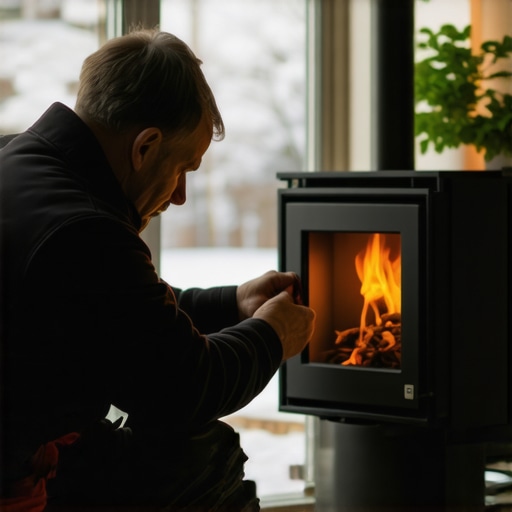
I remember the chilly winter evening when my furnace decided to give out right before a storm. The silence in my home was deafening, replaced only by the hum of my struggling heater. It was a lightbulb moment—realizing that trusting quick fixes or neglecting routine maintenance can lead to more frustration and discomfort. If you’ve ever been caught off guard by an HVAC failure, you know exactly how disruptive it can be. That’s why today, we’re diving into how you can achieve long-lasting warmth by ensuring your furnace and heat pump deliver reliable results year after year.
Why Reliable HVAC Repairs Matter More Than Ever
When your heating system falters, it’s not just about cold nights—it affects your home’s energy efficiency, your monthly bills, and your peace of mind. Last winter, I learned the hard way that skipping regular inspections can turn a minor issue into a full-blown crisis. A study from the Department of Energy highlights that proper maintenance can cut heating costs by up to 30%, saving homeowners significant money and preventing unexpected breakdowns. So, if you’re wondering whether to go for that quick repair or invest in a comprehensive solution, the answer is clear: long-lasting results matter.
Have you faced a broken heater during the coldest night?
Trust me, I’ve been there. Early on, I made the mistake of ignoring strange noises and vibration sounds from my furnace, thinking it was just normal wear and tear. But ignoring these signs nearly cost me a weekend without heat. The silver lining? Learning about effective repair strategies and the importance of working with trusted professionals. For a deeper dive into common HVAC myths and what homeowners need to know, check out this article.
Now, let’s explore how you can avoid the pitfalls and ensure your heating system keeps your home warm, comfortable, and energy-efficient for years to come.
Diagnose Before You Dive In
Start by identifying the root of the problem. For example, I once heard my mini-split making strange noises and immediately checked the filters and outdoor unit for debris. Cleaning or clearing obstructions often resolves common issues. Use your HVAC’s diagnostic lights or listen for odd sounds: buzzing might indicate electrical issues, while clicking could point to relay problems. Document symptoms carefully; this clarity helps when consulting repair professionals or considering DIY fixes.
Inspect and Replace Air Filters Regularly
Neglecting filters is like trying to breathe through a clogged straw. I replaced mine every three months last winter, which drastically improved airflow and system efficiency. A clogged filter not only strains your furnace or heat pump but also encourages dust, mold, and bacteria buildup. Keep filters accessible and check them monthly during peak heating seasons. Opt for high-quality filters suited for your system, and avoid the mistake of using excessively cheap options that clog rapidly.
Clean the Components Methodically
Proper cleaning extends equipment life. I once hosed down my heat pump’s outdoor coil, removing dust and leaves, which boosted efficiency and cooled faster. Use a soft brush or compressed air to clean blower wheels, evaporator coils, and condensate drains. For coils, specific cleaning solutions can prevent corrosion and buildup. Remember, avoid harsh solvents that may damage delicate fins or electrical parts. Regular maintenance reduces emergency breakdowns and ensures peak performance.
Check Thermostat Settings and Function
Sometimes, the issue isn’t the system but user error. I discovered I had accidentally set my thermostat to ‘Eco’ mode during a cold snap. After correcting it and replacing batteries, the system responded properly. Ensure your thermostat is calibrated, clean, and positioned away from drafts or direct sunlight. Modern smart thermostats offer diagnostic tools, so consider upgrading for better control and troubleshooting.
Test System Components in Sequence
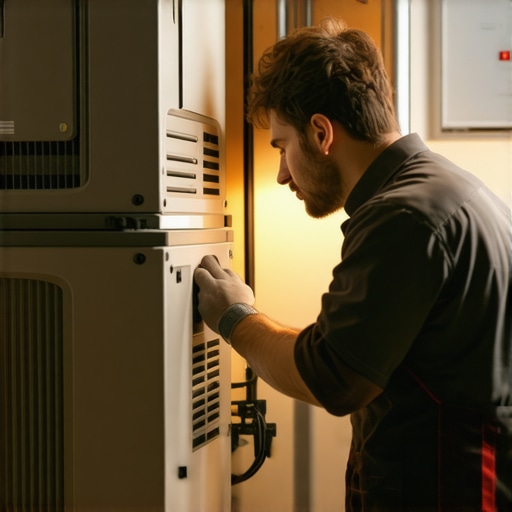
For a systematic approach, test each component individually. For example, I manually triggered the emergency heat function on my heat pump to verify the backup heating element. Use multimeters to check electrical contacts and continuity. Listen for abnormal noises when activatingrelays, motors, or fan blades. This step-by-step process pinpoints faulty parts without unnecessary replacements, saving time and money.
Examine Ductwork and Vents
Leaky or blocked ducts undermine your system’s efficiency. Once, I found a disconnected section behind the drywall that caused uneven heating. Seal gaps with mastic or foil tape and clear obstructions from vents. A duct blaster test can quantify leaks—consider professional assessment if problems persist. Properly sealed ductwork ensures air reaches every corner, providing consistent warmth while reducing energy bills.
Engage when Professional Help Is Needed
Some issues require expert intervention. I always remember to consult certified HVAC technicians when system faults involve refrigerant leaks, compressor failures, or complex electrical problems. Relying on specialists not only ensures safety but also helps avoid further damage. For trusted technicians, you can explore this contact page. They bring diagnostic tools and experience that DIY cannot match, especially for preventing future breakdowns.
Maintain a Repair Log for Long-Term Success
Document every repair, replacement, and observation. I keep a simple spreadsheet noting dates, issues, parts replaced, and system performance. This habit reveals patterns, guiding preventive maintenance efforts. Regularly updating your records helps catch recurring problems early, ultimately extending your HVAC system’s lifespan and performance.
Many homeowners assume that HVAC systems, once repaired, will operate flawlessly for years without further attention. However, this belief oversimplifies the complexities involved in maintaining these systems, often leading to costly mistakes. One widespread myth is that inverter-driven heat pumps or mini-splits are maintenance-free. In reality, such units require regular checks of refrigerant levels and cleaning of filters to ensure optimal performance. Neglecting these nuances can cause inefficiencies and system failures that could have been prevented, as highlighted in expert guides on [HVAC repair secrets](https://chillyprohvac.com/hvac-repair-secrets-boost-efficiency-with-expert-tips). Another misconception is that DIY repairs can substitute for professional inspections. While minor tasks like filter replacement are straightforward, attempting to fix complex issues such as refrigerant leaks without proper training can be dangerous and may void warranties. For instance, refrigerant leaks not only reduce system efficiency but also pose environmental hazards, emphasizing the importance of trusting licensed technicians. Additionally, many believe that system age solely determines replacement needs; however, proper maintenance can extend a unit’s lifespan considerably. Regularly inspecting components and promptly addressing minor issues prevent small faults from evolving into major malfunctions. It’s equally critical to understand that recent advancements, like smart thermostats, require calibration and software updates, which DIYers often overlook, leading to inaccurate temperature control. Recognizing these advanced nuances ensures your HVAC investments provide long-term comfort and efficiency. Do you know the hidden pitfalls to avoid during HVAC repair projects? Make sure to consult trusted sources and professional experts to stay ahead. For deeper insights into avoiding common mistakes, visit [this comprehensive guide](https://chillyprohvac.com/furnace-repair-myths-debunked-what-homeowners-need-to-know). Remember, understanding these subtle details can save you time, money, and frustration in the long run. Have you ever fallen into this trap? Let me know in the comments.
Equip Yourself with the Right Tools for Long-Term HVAC Maintenance
Maintaining your mini-split, heat pump, or furnace isn’t just about knowledge—having the proper tools is crucial. I personally rely on a few specific items that make routine inspections and minor repairs much more manageable. First up is a high-quality digital multimeter. I use the Fluke 117 because of its reliability and precision; it helps me quickly verify electrical connections and diagnose faulty relays or sensors. Next, a set of fin combs is invaluable for cleaning and realigning condenser and evaporator fins, which I typically keep in my toolbox to prevent airflow restrictions. For cleaning coils, I prefer a foaming coil cleaner from Nu-Calgon, as it effectively removes grime without damaging delicate fins. Ease of access to these specialized tools ensures I can address issues early and prevent costly repairs later.
When it comes to software, I recommend installing diagnostic apps compatible with your thermostat or HVAC units. For example, smart thermostats like the Nest or Ecobee offer diagnostic reports and troubleshooting guides, making it easier to spot irregularities before they escalate. Regularly updating firmware and reviewing diagnostic logs allow for proactive maintenance, extending the lifespan of your systems. I also keep a detailed maintenance log, which I find extremely helpful in tracking recurring issues or parts that regularly need attention. Investing in these tools has truly empowered me to maintain my HVAC systems effectively, but I predict that in the future, we’ll see even more integrated smart diagnostics, possibly leveraging IoT sensors for real-time system health monitoring.
To get the most out of your maintenance routine, start with some basic yet essential steps. For instance, using a multimeter to check voltage at the contactor or capacitors can identify electrical issues early. Take time to inspect and clean coils with compatible cleaners, which I do every season, and ensure filters are replaced or cleaned regularly. But perhaps most importantly, I advise establishing a quarterly maintenance schedule—sticking to a routine ensures your equipment remains efficient and reliable.
How do I maintain my HVAC tools and systems over time?
Proper maintenance of your tools involves regular cleaning, calibration, and safe storage. For example, I wipe my multimeter probes after each use to prevent corrosion and recalibrate it annually to maintain accuracy. Store fin combs and brushes in a designated toolbox, away from moisture and dust. Updating diagnostic software or app subscriptions helps ensure compatibility with new HVAC models. Setting reminders for routine inspections, perhaps through a digital calendar, keeps maintenance consistent. These small but vital habits ensure your tools remain reliable, saving you time and money in the long run. Staying proactive with your equipment is key to preventing minor issues from turning into major repairs, and it aligns well with the ongoing trend toward smart home integrations in HVAC management. Make an effort to incorporate regular check-ups for your tools, and you’ll be surprised at how much smoother your DIY repairs and maintenance can become.
For those eager to boost their system’s efficiency, I recommend exploring advanced diagnostic techniques. For instance, measuring refrigerant pressure with a reliable manifold gauge set from Yellow Jacket can help identify leaks or insufficient refrigerant levels—something I did recently, leading to quick repairs that saved me from a costly service later. If you’re interested in taking your troubleshooting to the next level, visit this resource to discover expert tips on optimizing your HVAC performance. Don’t hesitate to try using a digital multimeter or coil cleaner today—these simple yet powerful tools can significantly improve your ability to keep your heating and cooling systems in top shape.
My Biggest Wake-Up Calls in HVAC Maintenance
- Accepting that no system is completely maintenance-free. I once believed that upgrading to modern units meant I could skip routine checkups, but I learned that even the latest technology benefits from regular attention, as outlined in this guide.
- Ignoring early warning signs can lead to costly failures. I once dismissed odd noises coming from my heat pump, thinking it was just a minor issue. That oversight resulted in an emergency repair that could have been prevented with timely inspection.
- DIY isn’t always the safest route. Attempting complex refrigerant repairs without proper training not only risks damage but also voids warranties—trust me, consulting trusted professionals ensures long-term reliability.
- Maintaining detailed records is a game-changer. Keeping logs of repairs and inspections helped me identify recurring issues early and plan more effective maintenance, echoing advice found here.
- Keeping tools in top shape isn’t optional. Regular calibration of multimeters and cleaning fin combs enhanced my ability to address problems swiftly, making DIY maintenance more effective and less frustrating.
Tools and Resources That Keep Me Ahead
- Digital Multimeter – The Fluke 117 provides reliable electrical diagnostics, saving me time and guesswork.
- Fin Combs and Coil Cleaners – Essential for keeping coils clean and fins realigned, which directly impacts efficiency.
- Smart Thermostat Apps – Monitoring system performance remotely helps catch issues early, as discussed in this article.
- Maintenance Log Templates – Digital or paper logs keep me organized and proactive about upcoming inspections.
- Trusted Technician Contacts – Building relationships with reliable HVAC professionals ensures swift, safe repairs when needed. Reach out via this contact page.
Passion for Keeping Your Comfort Alive
Every repair, every tune-up, is a step toward understanding your system better and extending its lifespan. The journey to reliable heating and cooling in your home is filled with learning and small victories. Embrace the process, stay curious, and remember that your commitment to maintenance can save you time, money, and discomfort in the long run. Now, it’s your turn—what is one HVAC lesson you’ve learned the hard way? Share your story below to help others avoid the same pitfalls!
.