
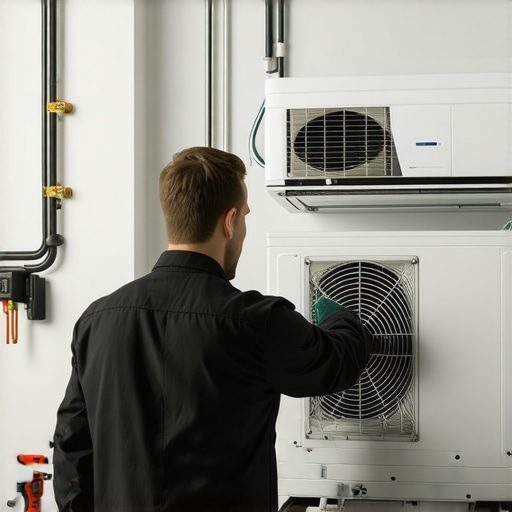
It was a freezing night when my mini-split refused to turn on, leaving me shivering and frustrated. That uncomfortable moment was my wake-up call: I had ignored routine maintenance for too long. Like many homeowners, I thought a quick check and a filter swap were enough, but I soon learned there’s much more to keeping your heat pump or mini-split running smoothly. This realization sparked a deeper dive into maintenance tips that actually work—saving me money and stress in the long run. Today, I want to share how proper care of your HVAC system can mean the difference between cozy comfort and unexpected breakdowns. If you’ve ever faced a chilly night with no heat, keep reading—what’s coming next could prevent that from happening again.
Why Regular Maintenance Is Your Best Defense Against Unexpected Breakdowns
Choosing to neglect your heat pump or mini-split might seem harmless at first. After all, it looks fine on the surface. But small issues, if left unchecked, can snowball into costly repairs or complete system failure. I learned this firsthand early on when I ignored routine inspections, leading to a sudden, expensive breakdown in the dead of winter. Experts agree that maintaining your HVAC system isn’t just about comfort—it’s an investment that pays off. According to the U.S. Department of Energy, regular upkeep can improve efficiency by up to 25%, saving homeowners a significant amount annually. Think of it like servicing your car; a little effort keeps everything running smoothly and prevents major headaches.
Is DIY Maintenance Actually Worth the Hype?
I admit, I was skeptical at first. The fear of doing something wrong held me back. My early mistake was trying to tackle repairs without proper knowledge, which sometimes made things worse. I’ve since learned that simple tasks like cleaning filters, keeping the outdoor unit clear of debris, and checking for visible issues can make a big difference. For more complex problems, though, calling in a trusted professional ensures the job gets done right. If you’re unsure about what steps to take, I recommend consulting a reliable guide or reaching out to an expert—like those at Chilly Pro HVAC—to avoid costly mistakes.
Have you ever faced a system failure that could have been prevented with proper maintenance? If yes, you’re not alone. In the next sections, I’ll walk you through practical, easy-to-implement tips to keep your heat pump and mini-split performing at their best. You’ll learn how a little effort now can lead to a warmer, more comfortable home all year round.
Clear the Outdoor Unit for Better Performance
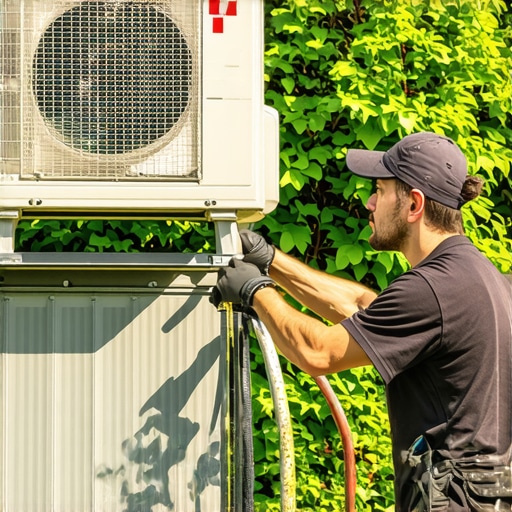
Start by turning off your system at the breaker to ensure safety. Then, remove any debris like leaves, dirt, or snow from the outdoor unit. Use a garden hose to rinse away dirt and dust, avoiding high-pressure streams that could damage fins. I once neglected this step during a busy weekend, and the system struggled to heat efficiently, costing me extra energy. Regular cleaning prevents airflow obstructions and keeps your mini-split operating smoothly.
Replace or Clean Filters to Boost Efficiency
Locate the filters inside your indoor unit or at the return vents. Remove them carefully and check for dirt buildup. If they’re washable, rinse with water and let them dry completely before reinstalling. If they’re disposable, replace them with new filters matching the size and type recommended by the manufacturer. Doing this monthly, as I now do without fail, significantly improves air quality and system effectiveness. Proper filter maintenance reduces strain on your heat pump or mini-split and saves money on energy bills.
Inspect and Clear Drain Lines to Prevent Water Damage
Clogged drain lines can cause water leaks and system shutdowns. Use a wet/dry vacuum or a pipe brush to clear any obstructions from the drain line, located near the indoor unit. Check that condensate is flowing freely. I learned this the hard way when a blocked drain caused water to seep into my living room during a humid day, leading to mold issues. Routine inspection and cleaning of drain lines ensure your system drains properly and prevents costly repairs.
Check Refrigerant Levels or Signs of Leakage
Low refrigerant reduces heating capacity and increases energy consumption. Look for signs such as ice buildup on refrigerant lines or uneven cooling. For accurate diagnosis, contact a professional through Chilly Pro HVAC. I once spotted frost on the lines and called a technician who refilled the refrigerant and found a leak, saving the system from imminent failure. Remember, refrigerant handling requires expertise—never attempt to recharge it yourself.
Test System Controls and Thermostat Settings
Ensure your thermostat is set correctly. Test the system by changing the temperature to see if it responds promptly. Listen for unusual noises or delays. A quick test I performed revealed my thermostat was misreading, causing the system to run excessively. Upgrading to a smart thermostat and calibrating it as per instructions leads to better control and energy savings. Proper settings ensure your mini-split or heat pump heats or cools efficiently when needed.
Schedule Professional Maintenance for Complete Care
While many steps are DIY-friendly, comprehensive tuning and repairs should be left to experts. Annual inspections can identify hidden issues before they escalate. When I scheduled a professional check with Chilly Pro HVAC, they performed a thorough system tune-up that extended my equipment’s lifespan. Trustworthy technicians also handle refrigerant leaks, electrical issues, and system calibrations that are critical for optimal performance.
< >Many homeowners operate under misconceptions about mini-splits, heat pumps, and HVAC repair that can lead to costly mistakes. One prevalent myth is that these systems require minimal maintenance beyond filter changes; however, advanced nuances reveal that neglecting proper diagnostics, refrigerant checks, and electrical inspections can cause long-term damage. For example, many believe refrigerant leaks are obvious, but small leaks often go unnoticed until performance drops significantly, leading to inefficient operation and expensive repairs. Experts emphasize that subtle signs like slight ice buildup or inconsistent airflow warrant professional evaluation, as these may indicate underlying issues not apparent to homeowners. According to industry studies, up to 60% of system failures could be prevented with early detection of such minor issues through routine, expert inspections—properly maintaining your system extends its lifespan and improves efficiency. One trap to avoid is assuming DIY fixes can replace professional diagnostics; while basic tasks are manageable, complex problems like electrical failures or refrigerant leaks require specialized tools and expertise. For instance, mishandling refrigerant can pose safety hazards and void warranties, as highlighted in trusted sources like Chilly Pro’s comprehensive guide. Advanced users often focus on optimizing system calibration and airflow balancing—details that improve indoor comfort and energy savings but are often overlooked by DIYers. Additionally, understanding the difference between minor component wear and systemic failure is crucial. Regular professional check-ups help detect evolving issues before they escalate into breakdowns, saving money over time. Are you aware of these hidden nuances, or have you fallen into common repair traps? Let me know in the comments. Prioritizing expert maintenance and understanding system intricacies ensures your HVAC investments deliver reliable, long-lasting comfort. Want to dive deeper into specific system components? Explore more at this detailed maintenance guide or contact professionals for tailored advice.Maintaining your heat pump, mini-split, or furnace over time requires the right tools and a bit of know-how. Personally, I rely on a combination of professional-grade diagnostic equipment and software to ensure my systems are operating efficiently and reliably. One essential tool I swear by is a digital refrigerant pressure gauge, like the Red Arc refrigerant manifold. It allows me to accurately monitor refrigerant pressures during servicing, which is crucial because subtle refrigerant leaks can silently degrade performance. Using this gauge, I can detect issues early and prevent costly repairs down the line, aligning with insights from our comprehensive guide.
Complementing hardware, I recommend investing in a reliable digital multimeter for electrical checks. I prefer a multimeter with auto-ranging features and True RMS capability, such as the Fluke 116. This ensures accurate readings of voltage and current, preventing electrical issues from causing system failures. Regularly testing contactors, capacitors, and wiring connections with this tool has saved me from unexpected outages.
On the software side, I utilize HVAC monitoring apps like Nexia that connect via smart thermostats or system sensors. These platforms provide real-time data and alerts, so I can catch anomalies early. As home automation trends evolve, integrating these apps can help homeowners scale their maintenance efforts effectively.
Now, where do I see this trend going? The future points toward more AI-powered diagnostics that analyze data from sensors to predict failures even before signs appear. This proactive approach will revolutionize how we maintain HVAC equipment, turning reactive repairs into preventive care. For homeowners, adopting advanced tools today means fewer surprises tomorrow.
**How do I maintain my system’s health over time?** The key is consistent use of diagnostic tools combined with scheduled professional tune-ups. I recommend attempting a refrigerant pressure check using a manifold gauge at least twice yearly—before peak season starts and after it ends. This proactive step can highlight refrigerant leaks or low pressure issues early, saving you from emergency repairs mid-season.
If you’re ready to elevate your maintenance game, I suggest trying out a digital multimeter alongside a refrigerant pressure gauge. These tools are accessible and provide immediate benefits. For personalized assistance or if your system seems to have deeper issues, don’t hesitate to reach out to professionals through this contact page. Properly maintaining your HVAC system today ensures enduring comfort and efficiency tomorrow.
The Hardest Lesson I Learned About Mini-Split Maintenance
One of my biggest surprises was realizing that routine filter changes weren’t enough to keep my system in top shape. I ignored the significance of condenser coil cleaning and scheduled professional inspections, leading to unexpected breakdowns during winter. The lesson? Even small neglected areas can cause major headaches, and understanding the subtle signs of wear can save you a lot of money and stress.
How My Misconceptions About DIY Fixes Cost Me
Initially, I believed I could handle refrigerant refills or electrical troubleshooting without expert help. That was a mistake. Without proper tools and knowledge, I risked damaging the system further. Now, I see that trusting professionals, like those at Chilly Pro HVAC, for complex repairs not only ensures safety but also prolongs system lifespan. Learning when to call in a pro is essential for avoiding costly errors.
The Power of Preventive Checks That Changed My Approach
After scheduling annual professional tune-ups, I noticed my mini-split performed more efficiently, and my energy bills dropped. Regular inspections caught small issues—like refrigerant leaks and electrical faults—before they turned into failures. This proactive mindset, along with routine DIY tasks like cleaning drain lines, has transformed my system maintenance routine.
My Top Tools for Keeping HVAC Systems Healthy
Investing in a high-quality refrigerant pressure gauge and a digital multimeter has been a game-changer. They allow me to monitor system health between professional visits. Additionally, I rely on smart monitoring apps to receive real-time alerts about system issues. These tools, trusted by professionals, empower homeowners to manage their HVAC effectively, preventing emergencies before they happen.
What No One Tells You About Long-Term Maintenance
The secret is that most serious issues develop quietly. Small ice formations, unusual noises, or inconsistent airflow are often overlooked. Early detection through regular professional checks can extend your system’s lifespan significantly. Embracing this knowledge has made me more confident in maintaining my mini-split and heat pump—saving money and ensuring comfort year-round.

Reading this post really resonated with me, especially the part about neglecting regular maintenance leading to unexpected September system failures. I used to think that changing filters was enough, but after experiencing a chilly night when my mini-split refused to turn on, I realized I needed to go beyond the basics. Since then, I started paying more attention to cleaning the outdoor coil and inspecting the drain lines regularly. It’s amazing how small, consistent checks can prevent costly repairs and keep the system running efficiently. I’m curious, has anyone found that upgrading to smarter thermostats or adding system sensors has significantly improved their maintenance routine? I’ve been pondering whether investing in these tech tools could help me catch issues earlier or optimize energy use even further. I believe proactive care is really the key to avoiding those pesky breakdowns just when we need warmth the most, especially during harsh winters.