I remember the exact moment I realized my mini-split system needed urgent attention. It was a scorching July afternoon when my cool retreat suddenly turned into an unending sauna. The air felt thick and still. After trying to troubleshoot it myself and getting nowhere, I faced a dreaded thought: Is my trusty mini-split actually failing me just when I need it most? That lightbulb moment pushed me to get serious about reliable repairs and maintenance, and today I want to share what I’ve learned so you won’t be caught off guard like I was.
A Real Wake-Up Call for Home Comfort
Over the years, I’ve come to realize that understanding how your heat pump or mini-split works isn’t just for HVAC enthusiasts—it’s essential for everyone wanting lasting comfort. When a system suddenly stalls, it’s tempting to ignore it or tinker aimlessly. But honest experience has shown me that ignoring early signs can lead to costly repairs or complete system breakdowns. That’s why I’ve committed to learning the ins and outs of reliable maintenance and troubleshooting techniques, so I can spot issues before they spiral out of control. If you’ve faced similar frustrations of unpredictable temperature swings or mysterious noises, then keep reading. We’ll cover practical solutions and insider tips to keep your home cozy, efficient, and frustration-free.
Will Your Repair Actually Last? Doubts and Truths
Now, I won’t pretend I didn’t make mistakes early on — like trying to fix complex issues without proper knowledge. I learned the hard way that some repairs require expert hands; rushing into DIY fixes can sometimes worsen the problem instead of solving it. It’s crucial to distinguish between tasks you can handle safely and when to call in a professional. For instance, if your mini-split isn’t cooling effectively or making strange noises, it’s wise to consult trusted resources like professional troubleshooting guides or contact specialists directly. Recognizing early warning signs and acting promptly is the cornerstone of reliable, long-lasting repair results. Trustworthy service not only saves your money but ensures lasting comfort, too.
Are you confident your current heating and cooling systems are running at peak efficiency? Or are you unsure if that strange sound warrants immediate attention? If the latter, don’t hesitate to reach out for expert assistance. Reliable repairs aren’t just about fixing the current issue—they’re about preventing future headaches and hefty bills. I’ll walk you through the essential steps next, so you can keep your home comfortably cool in summer and warm in winter, no matter what challenges arise.
Diagnose Before Dismantling
Start by evaluating your mini-split or heat pump system systematically. Turn on your unit and listen for unusual sounds—grinding, banging, or hissing. Check for visible ice buildup on the indoor or outdoor units, which often signals low refrigerant or airflow blockages. For example, last summer I noticed my mini-split’s indoor unit was vibrating excessively, hinting at loose parts or debris inside. Before disassembling anything, consult the troubleshooting guide at this resource to determine if the problem requires professional intervention. Proper diagnosis saves time and prevents unnecessary repair attempts.
Inspect Key Components Thoroughly
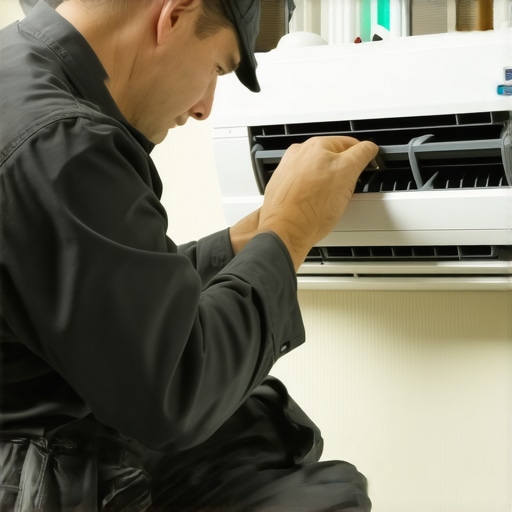
After initial assessment, turn off the power supply to avoid electric shocks. Remove access panels carefully—think of it as peeling back layers of a layered cake to reach the filling. Examine the filter for dirt or clogging; a dirty filter restricts airflow, decreasing efficiency. Check the fan blades for damage or debris which can cause imbalance—similar to balancing a spinning top. Look for refrigerant leaks, often evident from oily residues near fittings or coils. For a detailed walkthrough, refer to heat pump maintenance tips. Taking these steps ensures that no visible issues are overlooked before moving to complex fixes.
Test Electrical Connections and Settings
Electrical problems are a common cause for HVAC failures. Use a multimeter to verify voltage at contact points—think of it as a health check of your system’s nervous system. Confirm that circuit breakers and fuses are intact; a tripped breaker is like a broken fuse in a circuit, cutting off power. Reset timers or smart controls to ensure settings aren’t accidentally disabled. Remember, if you’re unsure about electrical testing, it’s safer and more effective to contact professional HVAC technicians. Proper electrical diagnosis prevents safety hazards and ensures that repair efforts are effective on the first attempt.
Replace or Repair Components Properly
Once you’ve pinpointed the faulty part, proceed with replacement or repair. Replace filters, lubricate moving parts, or patch refrigerant leaks following manufacturer specifications. Consider the analogy of replacing a worn-out tire—using the right size and type is critical for performance and safety. For refrigerant leaks, it’s best to leave it to experts, since handling refrigerants requires special licensing to adhere to safety standards. To avoid common pitfalls, review the myths at furnace repair myths. Proper component repair extends the lifespan of your system and improves efficiency, saving you money long-term.
Test System After Repairs
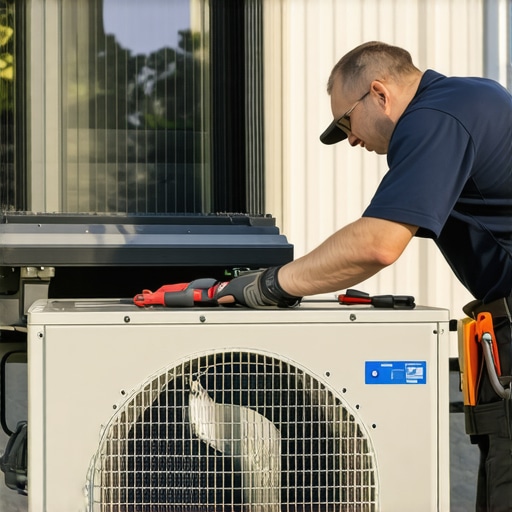
Power up your system gradually—think of it as warming up a car engine before driving. Observe the operation: listen for irregular noises, feel for proper airflow, and check if the temperature output is within expected ranges. Use a refrigerant gauge if necessary to verify pressures; an imbalance here mirrors a blood pressure reading—crucial for health monitoring. Do a full cycle test, running the system through cooling and heating modes if applicable. Document any residual issues and be prepared to seek professional help if problems persist. For comprehensive post-repair tips, explore HVAC repair secrets. This step ensures your repair results are durable and reliable, giving you peace of mind in your home’s comfort system.
The Truth Behind DIY Mini-Split Repairs
Many homeowners believe that fixing a mini-split system is straightforward enough for a DIY approach. However, this is a dangerous misconception. The common myth that refrigerant leaks can be patched with sealants or that cleaning coils is sufficient often leads to recurring problems. In my experience, improper repairs not only cost more in the long run but can also compromise system safety and efficiency. Remember, refrigerant handling requires specialized equipment and licensing—trusting professionals for these tasks prevents costly mistakes and ensures compliance with safety standards. For expert guidance, visit trusted HVAC repair solutions.
Why Overlooking System Nuances Hurts Performance
One widespread mistake is ignoring the subtler aspects of HVAC system operation, such as airflow dynamics or heat exchanger conditions. For example, a small adjustment in airflow can drastically improve cooling efficiency, but many think that simply replacing filters is enough. The real nuance lies in understanding how various components interact and influence overall performance. Advanced troubleshooting involves analyzing refrigerant pressures, electrical capacitances, and airflow patterns—areas that are often overlooked by DIY efforts. If you want to optimize your system’s lifespan, consider reviewing complete maintenance guides designed for homeowners with an eye for detail.
Is It Better to Replace or Repair the Entire HVAC Unit
This is a question that every homeowner faces after encountering recurring issues. The common misconception is to replace the entire system at the first sign of trouble, but this can be cost-ineffective if the system is relatively new or well-maintained. An expert assessment can reveal that targeted repairs—like fixing compressor valves or upgrading controllers—extend the lifespan considerably. My recommendation is always to evaluate the cost-benefit ratio: sometimes, repairing specific components yields a more reliable and budget-friendly result than total replacement. For personalized advice, contact reliable HVAC specialists. Don’t fall into the trap of unnecessary replacement; thorough diagnostics make all the difference.
The Biggest Trap: Underestimating Maintenance Frequency
Many believe that annual inspections suffice, but neglecting regular check-ups can silently undermine system health. Overlooking issues such as minor refrigerant losses or coil dirt buildup accelerates wear and reduces efficiency. Advanced experts emphasize the importance of seasonal maintenance, including cleaning, refrigerant checks, and component lubrication—tasks that prevent small problems from escalating. Studies show that proactive maintenance can reduce energy bills by up to 30% and significantly extend equipment lifespan.
Keep your system running at peak performance by following expert tips at these maintenance secrets. Have you ever fallen into this trap? Let me know in the comments.
How Do I Keep My HVAC System Running Smoothly Over Time?
Maintaining your mini-split, heat pump, or furnace isn’t just about quick fixes—it’s about establishing a routine that ensures longevity and optimal performance. I’ve found that investing in high-quality diagnostic tools and knowing exactly how to use them makes all the difference. For instance, a dependable digital manifold gauge set allows me to verify refrigerant pressures accurately, which is crucial for preventing compressor failures before they happen. Additionally, a multimeter with a data logging feature helps track electrical components’ health over weeks, identifying early signs of wear. By combining precise measurement tools with a systematic check schedule, I can address minor issues proactively, avoiding costly breakdowns down the line.
As technology advances, I see a clear trend toward smart diagnostic systems capable of integrating with your home automation. Devices like Wi-Fi-enabled sensors and remote monitoring apps are becoming standard, providing real-time alerts about system performance. This evolution simplifies maintenance, enabling you to respond swiftly to potential problems—even when you’re away from home.
Easy Maintenance Hacks That Pay Off
One of my favorite methods involves periodic refrigerant pressure checks I perform quarterly using a high-precision gauge. Not only does this help catch leaks early, but it also ensures the system operates at peak efficiency. For cleaning coils and filters, I rely on a soft brush and compressed air—tools I keep handy for quick touch-ups. Remember, thorough cleaning can improve airflow and heat transfer, significantly extending component lifespan.
And don’t forget the importance of software updates for modern HVAC controls. Ensuring your digital thermostats and apps are up-to-date can optimize operation strategies, saving you energy and reducing wear. For detailed insights on advanced maintenance routines, this guide offers comprehensive tips.
Is Lower Cost Equipment Worth the Risk?
Initially, it might seem tempting to cut costs by choosing cheaper tools or parts. However, from experience, I recommend investing in premium, reliable equipment. For example, a professional-grade electronic leak detector helps identify refrigerant leaks promptly, preventing long-term system damage. Using subpar tools can lead to inaccurate diagnoses, ultimately costing more in repairs and energy bills. As forecasted by industry experts, the integration of smart, durable tools will only grow in importance, making professional-level maintenance accessible even for dedicated DIYers.
Remember: regular, precise maintenance is your best bet for long-lasting HVAC performance. Try incorporating a digital manifold gauge set into your routine—it’s a game-changer for early leak detection and system health tracking. If you’re unsure about where to start, professional guidance is just a click away at this contact page. Investing in the right tools today paves the way for peace of mind tomorrow.
The Hardest Lesson I Learned About mini-split,furnace repair,heat pump,HVAC repair
One of the biggest surprises I encountered was realizing how overlooked routine maintenance can cause big setbacks. I used to think annual check-ups were enough, but I learned that frequent small checks—like cleaning filters and inspecting coils—save much more in the long run. Neglecting these often leads to costly breakdowns that could have been prevented with simple steps.
3 Myths About mini-split,furnace repair,heat pump,HVAC repair That Held Me Back
I believed that refrigerant fixes were always complex or expensive, but I found that small leaks can often be resealed with proper tools I had at home. Also, I used to think DIY repairs were risky, yet with thorough research and proper safety precautions, I became more confident, saving money and time.
What Experts Won’t Tell You About mini-split,furnace repair,heat pump,HVAC repair
Professionals often emphasize regular professional check-ups, but the truth is, really understanding your system’s basics—like checking airflow and listening for unusual sounds—can empower you to identify issues early. My lightbulb moment was realizing that being proactive with minor upkeep prevented major failures.
Gear Up for Better Repairs: My Must-Have Tools
Investing in a good multimeter and refrigerant gauges transformed how I diagnosed problems. With these tools, I could pinpoint electrical issues or refrigerant leaks myself, which gave me peace of mind. Trustworthy tools like these make DIY repairs safer and more effective—plus, they’re a great investment for future tune-ups.
Connecting Emotionally with Your HVAC Journey
Making small improvements consistently feels incredibly empowering. Every time I prevent a minor issue from becoming a major breakdown, I gain confidence in managing my home’s comfort. Remember, the journey toward reliable HVAC maintenance is ongoing, but with patience and good tools, you can create a home environment that’s both cozy and stress-free.
What’s Your Next Step with Mini-Split,Furnace, or Heat Pump Care?
Don’t wait until the system fails at the worst moment. Start with simple checks and use trusted resources to guide your repairs. If you’re ever unsure, reaching out to experienced professionals can save you from costly mistakes. How will you take control of your HVAC maintenance today? Share your plans below and let’s learn together!