
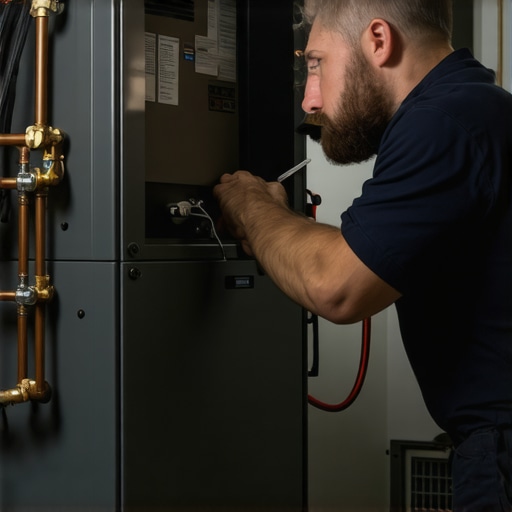
It was a freezing winter night when I realized my heating system was on the fritz. The relentless chill seeped through my bones as I shuffled around in my pajamas, cursing the aging furnace that refused to cooperate. That moment of frustration wasn’t just a minor inconvenience; it was a stark reminder of how critically we depend on reliable heating during our coldest days. Like many homeowners, I had ignored the warning signs—an odd burning smell, uneven warmth, or strange noises—until crisis forced my hand.
Why Reliable Heating Solutions Are More Than Just Comfort
In 2024, ensuring your home stays warm isn’t just about comfort—it’s about safety, health, and peace of mind. A dependable furnace, heat pump, or mini-split system can prevent those dreaded cold snaps from turning into emergencies. Over the years, I’ve learned that proactive maintenance and trusting expert repair services make all the difference. It’s not just about fixing a broken unit; it’s about investing in a system that works efficiently, saves money, and keeps my family safe. Did you know that according to the U.S. Department of Energy, regular HVAC maintenance can improve system efficiency by up to 30%? That’s a huge saving and a compelling reason to analyze your current setup.
Is Trusted Furnace Repair the Hype or Just Hot Air?
Early in my journey, I made the mistake of assuming that any repair service would do. I picked the cheapest option, thinking, “It’s just a quick fix.” Turns out, that oversimplification cost me more in the long run—more energy bills, shorter appliance lifespan, and ongoing discomfort. A trusted repair expert understands not only how to fix issues promptly but also how to optimize your entire home heating setup for lasting results. If you’re wondering whether investing in trusted HVAC repair is worthwhile, I can tell you it’s worth every penny. For more insights on common furnace pitfalls, check out [this helpful article](https://chillyprohvac.com/furnace-repair-myths-debunked-what-homeowners-need-to-know).
Have you faced a similar wake-up call with your heating system? If so, you’re not alone. Next, I’ll share the practical steps I took to finally achieve reliable, long-lasting home warmth—less stress, more comfort.
Diagnose Before You Dive into Repairs
Start by evaluating your heating system’s symptoms. Is it not turning on, making strange noises, or blowing cold air? For example, last winter, I noticed my heat pump was cycling irregularly, which signaled a potential issue. Use your observations to pinpoint the problem area. Check filters for dirt—clogged filters choke airflow and reduce efficiency—and ensure thermostats are set correctly. Document these symptoms; they will guide your troubleshooting process. Remember, a little detective work saves time and money before calling in professionals.
Learn Basic Troubleshooting Techniques
Inspect and Reset Components
Identify accessible parts—like your furnace’s pilot light or circuit breakers—and verify they are functioning. For instance, a simple reset on my furnace’s safety switch fixed an intermittent shutdown. If your system has a reset button, press it after ensuring power supply. Be cautious—consult your unit’s manual or trusted guides on how to do this safely. Regularly inspecting these parts can catch issues before they escalate.
Clean or Replace Air Filters
Dirty filters are a common culprit of poor heating. Remove and inspect your filters monthly during winter. If they’re clogged with dust, replace them immediately. This quick step can dramatically improve airflow and system efficiency, much like clearing debris from a clogged filter rejuvenates the entire system. For detailed guidance, visit furnace repair tips.
Perform Routine Maintenance to Prevent Major Failures
Schedule annual professional inspections—think of it as a health check-up. During a recent visit, my technician identified a worn-out fan motor that could have caused a system breakdown in the dead of winter. Regular maintenance includes cleaning coils, checking refrigerant levels, and testing safety controls. Think of these steps as preventive care—they keep your system humming smoothly and extend its lifespan.
Utilize Professional Help When Necessary
For complex issues, such as refrigerant leaks or compressor failures, DIY is risky. When my heat pump showed signs of refrigerant loss, I called trusted experts; they diagnosed and fixed the problem efficiently. Professionals utilize specialized tools and expertise—like taking a scalpel to a surgeon rather than a butter knife. For trusted assistance, contact our experts. Remember, attempting repairs beyond your skill can lead to safety hazards and higher costs.
Upgrade for Enhanced Reliability
If your system is over a decade old or repeatedly breaking down, consider an upgrade. Modern units like high-efficiency furnaces or mini-splits can deliver more consistent warmth while saving energy. I switched to a mini-split system last year, which was a game-changer—quiet operation and precise zone control. For tips on choosing the right upgrade, explore mini-split solutions. Upgrading is an investment in your home’s warmth and your peace of mind, especially during unpredictable winters.Many homeowners believe that HVAC repairs are straightforward fixes anyone can handle, but the reality is far more nuanced. A prevalent myth is that all repairs are equally simple and that DIY solutions are sufficient for most problems. In truth, attempting complex repairs without proper knowledge can lead to further damage, decreased efficiency, and safety hazards. For example, misdiagnosing refrigerant leaks can result in system failure or even health risks, as refrigerants can be toxic if mishandled. Trusting expert technicians who understand the intricate workings of furnaces, heat pumps, and mini-splits ensures your system receives precise diagnostics and long-lasting solutions. One common trap is relying solely on online tutorials, which may not cover the specific nuances of your unit’s model or situation—leading to costly mistakes. An advanced mistake many overlook is neglecting to verify component compatibility when upgrading parts or systems, potentially causing system inefficiencies or failures. According to HVAC industry expert James Long, improper repairs or replacements account for nearly 30% of system failures within the first year after service. This highlights the importance of engaging trained professionals rather than solely depending on DIY fixes. Additionally, a significant misconception is that regular maintenance isn’t necessary if the system seems to be functioning well, yet subtle issues might be developing unnoticed, affecting efficiency and longevity. To avoid these pitfalls, it’s vital to recognize the complexities involved in HVAC systems and seek trusted experts when issues arise. Dive into our comprehensive guide on furnace repair myths to learn more about common misconceptions and how to sidestep them. Have you ever fallen into this trap? Let me know in the comments. Proper knowledge and expert assistance can save you money, extend your system’s lifespan, and keep your home comfortable year-round.
Keeping It Running: Essential Tools for HVAC Maintenance
Maintaining your heating and cooling systems isn’t just about knowledge—having the right tools can make all the difference in ensuring longevity and efficiency. I personally rely on a combination of high-quality diagnostic devices and routine maintenance equipment to keep systems like furnaces, heat pumps, and mini-splits in top shape. Investing in these tools not only saves money over time but also enhances your confidence when tackling minor repairs or preventive checks.
Accurate Leak Detection with Electronic Manometers
For heat pumps and mini-splits, refrigerant leaks can be sneaky and costly. I recommend the Taylormade Digital Refrigerant Manometer. Its digital readout provides precise pressure readings, enabling you to quickly identify potential leaks without guesswork. I use mine during regular inspections to verify refrigerant levels, ensuring optimal system performance and safety. Reliable detection prevents minor leaks from escalating into major repairs, which can be a real money saver. This tool is indispensable if you plan to perform semi-regular maintenance or troubleshoot suspected issues.
Infrared Thermometers for Temperature Monitoring
Achieving efficient heating relies on balanced airflow and proper heat exchange. The FLIR TG165-X infrared thermometer lets me spot cold or hot spots across vents, coils, and ducts with ease. Its quick readings help me verify that each zone is heating uniformly, which is vital for mini-splits and multi-zone heat pumps. Regular checks with this device aid in preventive maintenance, catching issues before they cause discomfort or increased energy costs. Plus, it’s invaluable for diagnosing blocked filters or dirty coils.
Multifunctional Multi-Tool Sets
When working on HVAC units, versatility is key. I prefer the Leatherman Wave+ Multi-Tool which includes pliers, screwdrivers, wire cutters, and more in one compact device. It’s perfect for quick fixes, removing panels, or adjusting fittings. Its durability and variety streamline the repair process, saving me time and minimizing trips to the toolbox. Having a reliable multi-tool set elevates your DIY game and ensures you’re prepared for unexpected troubleshooting.
Why Software and Apps Are the Future of Maintenance
Beyond physical tools, digital apps have become game-changers. I use HVAC-specific software like HVAC repair secret tips apps that aid in diagnosing issues based on symptoms, guiding me through complex troubleshooting steps. They also track system performance over time, alerting you when maintenance intervals are due. Embracing technology makes maintaining HVAC systems more systematic and less guesswork-intensive, ultimately prolonging system life and improving efficiency.
Predicting Future Trends in HVAC Tooling
The industry is moving toward smart diagnostics and IoT integration. Expect to see more AI-powered sensors that monitor refrigerant pressures, airflow, and thermal efficiency remotely. This trend minimizes manual checks, enabling proactive maintenance. Adopting these innovations early will be crucial for homeowners and professionals aiming for peak system reliability.
If you’re ready to step up your maintenance game, I recommend trying out a digital refrigerant leak detector or investing in a smart diagnostic app. These tools will help you prevent costly breakdowns and keep your systems running smoothly for years to come.
How do I keep my HVAC systems maintained over time?
Regular inspections, timely filter changes, and leveraging diagnostic tools like infrared thermometers and leak detectors are key. Scheduling annual professional check-ups combined with DIY vigilance ensures your systems stay efficient and durable. Remember, proactive care today prevents expensive repairs tomorrow. For more maintenance strategies, check out the ultimate guide or contact trusted experts for tailored advice.
The Hardest Lesson I Learned About Furnace Repair and Preventive Care
I used to think that fixing my heating system once it broke was enough, but I realized that neglecting routine maintenance secretly sabotaged my comfort. The lightbulb moment came when my system failed during the coldest night, despite years of patchwork repairs. Regular check-ups and staying ahead of issues could have saved me from those freezing nights and costly emergency services. Now, I see maintenance as an investment, not an expense.
Secrets Inside My Toolbox That Keep My Home Warm
Over time, I’ve discovered that the right tools make all the difference. An electronic refrigerant leak detector helps me identify issues early, ensuring I don’t lose costly refrigerant or damage my system. Infrared thermometers reveal cold spots and inefficiencies that aren’t visible to the naked eye. Multipurpose tools like Leatherman Wave+ give me the flexibility to handle unexpected repairs without delay. These tools empower me to maintain my HVAC system confidently, saving money and stress.
Don’t Wait for the Freeze to Overtake Your Home
The experience taught me that proactive care is vital for lasting home comfort. Scheduling annual professional inspections and performing simple DIY checks—like filter replacements and system resets—can prevent catastrophic failures. When in doubt, trusting expert technicians ensures that complex issues are diagnosed accurately and fixed safely. Embracing smart diagnostics and technology will continue to revolutionize how we maintain our HVAC systems for years to come. It’s never too early to start caring for your heating system; your future self will thank you.
Reading this post really resonated with me, especially the part about proactive maintenance saving you from those freezing nights. Last winter, I neglected my furnace’s routine checkup until it started making strange noises, and I ended up with a costly emergency repair. Since then, I’ve learned that regular inspections and filter replacements are worth every penny. What’s been interesting for me is how much of a difference small tools like infrared thermometers have made in diagnosing issues early on. I’ve caught several inefficiencies just by monitoring heat patterns, which usually pointed to blocked filters or duct leaks. Has anyone here experimented with digital diagnostics or smart sensors for their home systems? I’m curious how much those innovations can truly simplify maintenance and help prevent unexpected failures.
This post hits close to home, especially the part about not realizing the importance of routine maintenance until it’s almost too late. Last winter, I faced a similar situation when my furnace suddenly stopped working in the middle of a cold snap. It turned out that dirt buildup had blocked the filters, and I’d been ignoring that simple maintenance step. Since then, I’ve started using infrared thermometers regularly to check duct temperatures—very effective for catching potential issues early. It’s surprising how small tools and consistent checks can prevent costly repairs down the line. I wonder, with so many smart home sensors now available, how many homeowners are leveraging these technologies for HVAC maintenance? Do they really make the process easier, or is there still a learning curve that deters regular use? Sharing experiences with smart diagnostics might help others decide if investing in these new tools is worth it.