I remember the first time my heat pump decided to give out on a particularly chilly night. It was late, and I was caught in a whirlwind of panic, wondering if I’d need to replace the entire system. That lightbulb moment hit me hard: proper maintenance and smart repair strategies aren’t just for professionals—they’re essential for homeowners like me and you who want reliable comfort all year round.
Your Home Deserves Consistent Comfort
Now, over the years, I’ve learned that the key isn’t just about fixing things when they break down but about understanding how these systems work and maintaining them effectively. The truth is, many issues with heat pumps and mini-splits can be prevented with simple, actionable tips. Today, I promise to share these tried-and-true strategies so your home stays cozy without breaking the bank or enduring frequent breakdowns.
Is It Really Worth Worrying About Small Repairs?
You might think that small issues, like strange noises or minor inefficiencies, aren’t worth your concern. Believe me, I did the same early on. But ignoring the signs often leads to costly repairs or system failures. Early mistakes, such as neglecting regular filter changes or ignoring minor leaks, can compromise the entire system’s lifespan. According to HVAC experts, routine maintenance can extend the life of your equipment by several years and save you hundreds in energy costs [see here](https://chillyprohvac.com/reliable-furnace-heat-pump-repairs-you-can-trust-in-2024). That’s why understanding these repair tips isn’t just helpful—it’s essential.
Have you faced a situation where your mini-split or heat pump stopped working suddenly, leaving you scrambling for answers? If so, you’re not alone, and I’ll help you navigate this with confidence. In the next sections, we’ll explore key maintenance hacks and troubleshooting tricks that will empower you to keep your home comfortable without always calling in the pros. Ready? Let’s dive in and take control of your home’s climate system.
Inspect Your Air Filters Regularly
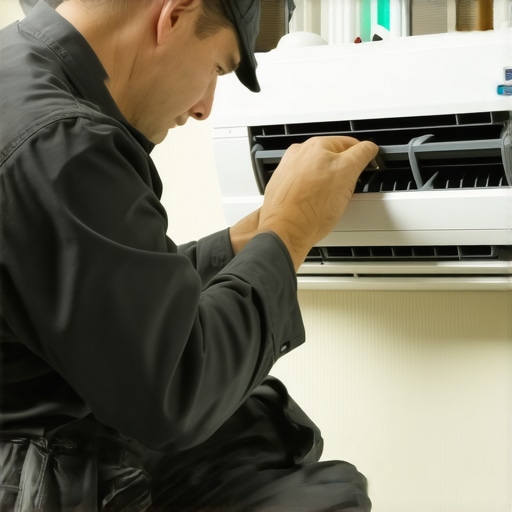
Think of your HVAC system like a human lung—clean filters help it breathe easily. During my first mini-split troubleshooting attempt, I quickly removed the front panel and found a thick layer of dust clogging the filters. Replacing or cleaning filters every 1-3 months ensures unobstructed airflow, preventing strain on components that can lead to breakdowns. Regular filter maintenance not only extends equipment life but also boosts energy efficiency, saving money monthly. When unsure how to access filters or replace them, check your unit’s manual or visit this comprehensive guide for step-by-step instructions.
Clean and Clear Condensate Drains
Clogged drains are the sneakiest culprits behind system failures. I once ignored a minor water leak next to my mini-split, thinking it was inconsequential. A few weeks later, the unit stopped working altogether due to water backing up into the system. Using a slim brush or vacuum, clear out the drain line regularly to prevent mold, algae, or debris buildup. You can also flush the line with a mixture of water and vinegar to maintain free flow. Maintaining clear condensate channels helps prevent water damage and ensures efficient operation. If drainage issues persist despite cleaning, contacting a professional via our support page is advisable.
Check Refrigerant Levels Periodically
Low refrigerant feels like trying to run in a heavy rain—ineffective and stressful. When I noticed my heat pump struggling to generate warm air, I suspected refrigerant loss. Using a manifold gauge set (which I borrowed from a neighbor), I measured the pressure in my system, confirming it was below optimal levels. While handling refrigerant requires special tools and certifications, you can monitor symptoms like icy coils or reduced airflow and then call a professional for a recharge. Proper refrigerant levels are critical for cooling and heating efficiency, and low levels can cause compressor damage. For expert assistance, professional repair services are recommended.
Calibrate Thermostats Correctly
An inaccurate thermostat fools your system into unnecessary cycles or fails to activate heater or cooler when needed. I experienced this firsthand when my home remained too cold despite the thermostat reading room temperature correctly. I adjusted the calibration settings per the manufacturer’s instructions, improving response times. Ensuring your thermostat is properly calibrated guarantees your system responds precisely to your comfort preferences. Modern smart thermostats often self-calibrate, but manual checks ensure optimal performance. Consult your device manual or expert guidance for proper calibration techniques.
Test Electric Connections for Safety
Loose or corroded wires are silent killers of HVAC systems. I once found a frayed wire connection behind my furnace after noticing intermittent operation. Turning off power, I examined the wiring harness and securely reconnected the loose wire, then replaced corroded terminals. Regularly inspecting and tightening wiring connections prevents short circuits and fire hazards. Use a multimeter to test for continuity and proper voltage levels. If wiring issues seem complex or unsafe, avoid DIY and contact a licensed technician through our trusted repair team. Proper electrical safety checks are critical for reliable and safe operation.
Schedule Professional Preventive Maintenance
Certainly, DIY plays a huge role, but some tasks require a professional touch. I learned this when I attempted to clean internal components without proper tools, risking damage. A scheduled professional tune-up covers refrigerant checks, system cleaning, coil inspections, and performance testing. These preemptive measures catch issues early before they escalate into costly repairs or replacements. Booking a seasonal maintenance appointment ensures your system operates at peak efficiency and lasts longer. For trusted assistance, consult our expert technicians today.Even seasoned homeowners often operate under misconceptions when it comes to HVAC repairs. One common myth is that all repairs are straightforward and DIY-friendly, but in truth, many issues are more complex than they appear. For example, a leak in your refrigerant line might seem simple to fix, yet handling refrigerants requires specialized equipment and certification—attempting to do it yourself can be dangerous and lead to costly damage. Leveraging professional help from experts ensures safety and proper resolution, as highlighted by industry leaders in [HVAC repair secrets](https://chillyprohvac.com/hvac-repair-secrets-boost-efficiency-with-expert-tips).Maintaining your HVAC system, including mini-splits, heat pumps, and furnaces, isn’t just about quick fixes; it’s about equipping yourself with the right tools and adopting consistent strategies to ensure long-term efficiency. One indispensable device I personally rely on is a digital manifold gauge set. Unlike traditional analog gauges, my digital model provides quick, precise refrigerant pressure readings with easy-to-read displays, saving me time and reducing errors during recharges or troubleshooting. For homeowners looking to delve deeper into system diagnostics, investing in an infrared thermometer is invaluable. It allows me to identify uneven cooling or heating issues by scanning coil surfaces for temperature discrepancies, pinpointing areas that may need professional attention. Using a dual clamp multimeter also helps me verify electrical connections safely, ensuring wires aren’t loose or corroded, which could cause system failures over time.
How do I maintain these tools over time? I regularly calibrate my digital gauges according to the manufacturer’s instructions and keep my infrared thermometer clean and stored in a dry place to prevent corrosion. Replacing batteries annually ensures consistent operation, especially during peak maintenance seasons. As technology advances, I predict smarter diagnostic tools, like apps integrated with IoT-enabled HVAC components, will become the norm, allowing remote troubleshooting and predictive maintenance. Embracing these innovations early can save significant time and money, making your system more resilient and responsive.
When it comes to routine checks, consistency is key. Schedule monthly inspections using your tools, and don’t hesitate to consult industry resources or professional services if complex issues arise. For example, if you notice refrigerant pressures are off despite your efforts, reaching out to a licensed technician through our contact page ensures safety and proper repairs. Remember, a proactive approach, combined with the right equipment, keeps your HVAC system running smoothly and prolongs its lifespan. Try calibrating your refrigerant gauges today for an immediate accuracy boost, and see how precision diagnostics can transform your maintenance routine.
Hidden Pitfalls That Changed My Approach to HVAC Repairs
One of the most surprising lessons I learned was how often premature DIY fixes led to longer-term issues. Rushing to patch a refrigerant leak without proper tools or expertise seemed harmless at first, but it often made things worse. This taught me the importance of recognizing my limits and knowing when to call in professionals through experts. Additionally, I discovered that neglecting small irregularities, like an odd smell or minor water leaks, could escalate into costly system failures. Listening carefully to my system’s subtle signs has made me more proactive and less reactive, saving time and money in the long run.
Tools That Elevated My HVAC Troubleshooting Skills
Investing in quality diagnostic tools became a game-changer for me. I personally rely on a digital manifold gauge set for precise refrigerant pressure readings—it’s more reliable than analog models and makes troubleshooting faster. An infrared thermometer helps me identify uneven coil temperatures, pinpointing issues without invasive inspections. And a sturdy dual clamp multimeter ensures electrical connections are solid. These tools, combined with reliable resources like comprehensive maintenance guides, empower me to handle most routine issues confidently, reducing dependence on guesswork and ensuring system longevity.
Embrace the Journey Toward HVAC Confidence
Mastering HVAC maintenance isn’t about perfection; it’s about building confidence. Every troubleshooting session teaches me something new—whether it’s a better way to clean filters or how to calibrate my thermostat accurately. I encourage you to take small steps, like scheduling seasonal checkups or practicing simple repairs. Remember, each effort you make is a step toward ensuring your home stays comfortable year-round. If you ever feel overwhelmed, reaching out for professional help at trusted technicians can give you peace of mind. You’re capable of mastering your HVAC system—start today and enjoy the comfort you deserve!