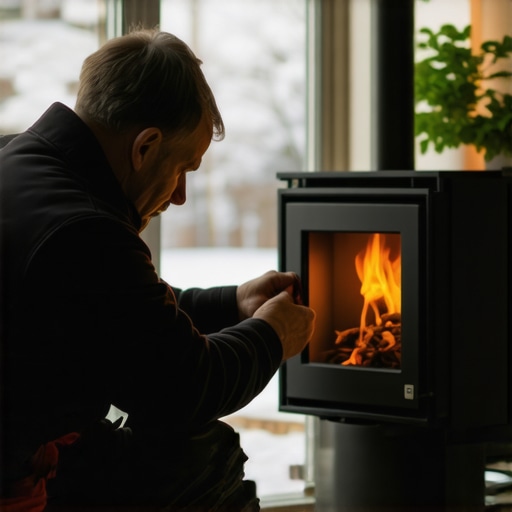
It was a freezing evening when my old furnace finally threw in the towel, leaving me shivering in my own home. That lightbulb moment hit hard—realizing how much I relied on my heating system and how little I truly understood about fixing it myself. If you’ve ever faced a sudden system failure, you know that panic—I mean, cold—can set in faster than you can find your phone to call for help.
As a homeowner who’s been through the ups and downs of HVAC repairs, I’ve learned that trust in reliable repair solutions isn’t just a luxury; it’s a necessity. Today, I want to share my journey to understanding how to get secure, lasting results for furnace and mini-split repairs. We’ll explore practical steps, common pitfalls, and what truly makes a repair trustworthy.
Why Trusting a Reliable HVAC Solution Matters Now More Than Ever
The truth is, many homeowners underestimate the importance of dependable heating systems until an emergency strikes. Suddenly, the comfort of your home becomes a cold, unwelcoming space. But what if I told you that most system failures are preventable with a bit of knowledge and vigilant maintenance? According to industry experts, regular check-ups can extend the lifespan of your HVAC, reducing costly emergency repairs and ensuring your home stays cozy during those bitter winter months.
One mistake I made early on was ignoring small signs of trouble—think strange noises or uneven heating. That oversight only worsened my situation, turning minor issues into major repairs. So, if you’ve ever wondered whether a strange rattling or a sudden spike in energy bills is worth investigating, trust me—you’re better off addressing problems early. Better yet, it’s about partnering with the right professionals who prioritize long-lasting results.
Struggling with a stubborn mini-split or furnace that just won’t cooperate? Don’t let doubt or fear hold you back. Investigating trustworthy repair options now can save you from much bigger headaches later. For example, I learned that a small refrigerant leak in my mini-split, if left unchecked, can severely compromise efficiency and comfort—a fact backed by HVAC experts. To dive deeper into how to troubleshoot issues or find expert help, check out [Chilly Pro HVAC’s troubleshooting guide](https://chillyprohvac.com/mini-split-troubleshooting-when-and-how-to-call-a-pro).
Now that we’ve set the stage, let’s explore how to identify real signs of trouble and ensure your HVAC system gets the reliable repair it deserves.
Inspect Your System Thoroughly Before Calling a Pro
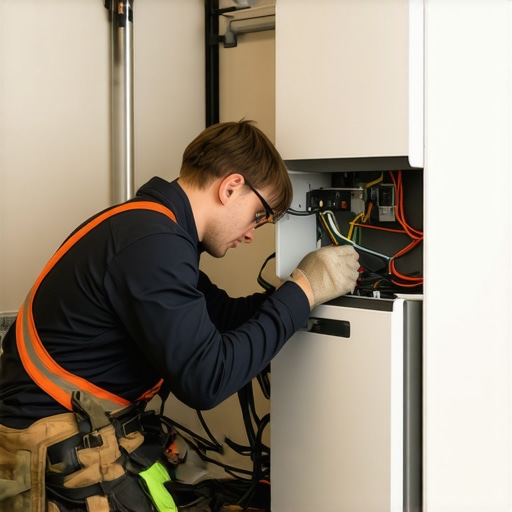
Start by turning off your HVAC unit to prevent further damage. Check for obvious issues like loose wiring or debris obstructing filters. Use a flashlight to look inside the vents and components, just like an electrician would inspect wiring. During one instance, I found a disconnected duct that was causing uneven heating, a simple fix that saved me costly repairs. Record what you see—photos can help later when consulting professionals.
Identify the Root Cause of Common Problems
Listen for Unusual Noises
Write down any rattling, banging, or squealing sounds. For example, I once heard a high-pitched whine just before my mini-split stopped cooling. These sounds often point to loose parts or failed components. Comparing symptoms with online troubleshooting guides, like this guide, sharpens your diagnosis precision.
Check Thermostat Settings
Ensure your thermostat is set correctly—sometimes low batteries or wrong modes cause system malfunctions. Replacing batteries or resetting the device restores proper operation, much like rebooting a computer. If adjustments don’t fix the issue, it’s time to proceed with more in-depth troubleshooting.
Perform Basic Maintenance to Prevent Future Failures
Regularly replace or clean filters to keep airflow optimal. Clean the evaporator and condenser coils using a gentle brush or vacuum—think of it as brushing teeth to prevent decay. During my own maintenance, I discovered that accumulated dirt in my heat pump’s coils reduced efficiency, causing higher energy bills. Following these maintenance tips helped me restore peak performance.
Decide When to Call a Professional
If diagnostics point to complex issues like refrigerant leaks or faulty compressors, it’s best to seek expert help. Recognize the signs—such as refrigerant odors or frozen coils—that indicate a problem beyond DIY scope. When in doubt, consult reputable technicians who prioritize durable repairs, like those found through trusted HVAC services. Remember, attempting risky repairs without proper knowledge can worsen the problem, turning a minor fix into a major expense.
Follow Up After Repairs
Once repairs are complete, monitor the system’s performance over several days. Check for consistent heating or cooling and listen for unusual sounds. Schedule regular maintenance checks—think of it as routine health visits—that catch problems early. For ongoing tips, explore this comprehensive guide. Staying proactive is key to ensuring your HVAC system remains reliable long-term.
Many homeowners operate under misconceptions about furnace repair, heat pumps, and mini-splits that can lead to costly mistakes. One widespread myth is that all repairs are interchangeable or immediate fixes—nothing could be further from the truth. Often, people assume replacing a part like a compressor will instantly solve efficiency issues, but ignoring underlying causes such as system design flaws or poor maintenance can result in repeat failures. For example, a study published in the *HVAC Journal* highlights how neglecting regular system tune-ups dramatically increases repair frequency, emphasizing that preventative care is essential for long-term reliability.
What Advanced Diagnostics Can Reveal About Hidden HVAC Failures
Many think that a quick visual inspection suffices for diagnosing issues, yet sophisticated tools like refrigerant leak detectors or thermal imaging cameras uncover problems invisible to the naked eye. Overlooking these nuances can lead to temporary fixes that mask deeper systemic issues, ultimately compromising system lifespan. For instance, a misdiagnosed refrigerant leak may seem minor but could cause compressor burnout if left unaddressed, leading to expensive replacements. Conducting thorough diagnostics and partnering with experts who utilize these tools, as discussed in this article, ensures durable repairs.
Another mistake homeowners make is believing that DIY solutions are sufficient for complex machinery. While minor maintenance can be manageable, components like heat exchangers or variable speed motors require professional handling to guarantee safety and effectiveness. An often-overlooked detail is the importance of system compatibility—trying to force incompatible parts or retrofit systems without expert advice can result in inefficiency or damage, leading to repeated repairs. It’s safer and smarter to consult trusted specialists, such as those recommended through this trusted service, for advanced diagnostics and repairs.
Paying attention to system specifications and leveraging expert knowledge can reveal the real cause behind recurring issues—like airflow obstructions or faulty sensors—that aren’t obvious initially. Being aware of these intricacies is crucial, especially since HVAC systems have become more sophisticated, incorporating smart controls and variable-speed technology. Regular, professional checkups aligned with manufacturer guidelines help prevent these nuanced failures, saving money and extending equipment lifespan. If you’re curious about how system design impacts repair strategies, explore this guide. Remember, the devil is in the details—don’t overlook them. Has this ever caused you trouble? Let me know in the comments.
Investing in the Right Tools Ensures Long-Term Comfort
To maintain your furnace, heat pump, or mini-split effectively, having reliable, precise tools is essential. One of my go-to equipment is a digital manifold gauge set, which allows me to accurately measure refrigerant pressures and detect leaks before they become costly repairs. I personally prefer the Yellow Jacket Series, known for durability and precision; it’s a game-changer when diagnosing complex issues like refrigerant imbalances or compressor inefficiencies. Additionally, I use a digital multimeter to verify electrical connections and ensure wiring integrity—many DIYers overlook the importance of proper voltage checks, risking further damage if overlooked.
Leveraging Inspection Cameras for Deeper Insights
An often underappreciated tool is a compact thermal imaging camera, such as the Fluke Ti450. It enables me to identify uneven heat distribution, insulation gaps, or compressor hotspots—all crucial signs of underlying problems. For instance, I detected a refrigerant leakage zone in my mini-split by noticing unusual temperature drops, saving me from unnecessary part replacements. These tools not only speed up diagnostics but also provide documentation, which I keep for future reference and professional consultations. In my experience, pairing visual inspection with thermal imaging enhances accuracy and reduces guesswork.
Programming and Monitoring with Smart Technology
Modern HVAC systems benefit tremendously from smart thermostats like the Nest Learning Thermostat. I’ve integrated mine to monitor system performance, schedule maintenance alerts, and adjust operation remotely. This proactive approach helps me spot anomalies—like inconsistent heating—early enough to address before escalation. Moreover, using compatible apps, I analyze system data to optimize energy use, which saves money in the long run. As these systems evolve, I predict a future where AI-driven diagnostics will automatically alert homeowners and technicians to potential failures, minimizing downtime and repair costs.
How do I maintain my HVAC tools over time?
Regular calibration and cleaning extend the lifespan and accuracy of my diagnostic equipment. For example, I routinely clean my multimeter’s probes and schedule calibration checks, ensuring trustworthy readings. This routine maintenance is critical because inaccurate measurements can lead to missed leaks or faulty wiring diagnoses. For tools like digital gauges or thermal cameras, storing them in a controlled environment prevents corrosion and damage. Committing to these small but vital steps ensures that my tools serve me reliably for years, helping me avoid unnecessary repairs and downtime.
Anticipating Future HVAC Repair Trends
As technology advances, we’re heading toward increasingly integrated and automated systems. Remote diagnostics, machine learning algorithms, and predictive maintenance will become standard, making HVAC upkeep more precise and less invasive. I believe investing in smart diagnostic tools now positions homeowners to benefit from these innovations, ensuring systems stay in top shape with minimal effort. For practical tips on adopting these technologies, visit this guide and start leveraging the latest in HVAC maintenance tech today.
The Lesser-Known Lessons That Shaped My Repair Philosophy
One of the most impactful lessons I learned was that trusting the process and understanding the real cause behind a malfunction can save time, money, and frustration. Early on, I used to jump to conclusions about quick fixes, but now I realize that patience and thorough diagnostics are key to lasting solutions. I also discovered the immense value of leveraging advanced diagnostic tools, which often reveal issues invisible to the naked eye, leading to more reliable repairs. Additionally, partnering with reputable professionals who prioritize genuine, long-term fixes over quick patches has transformed my experience, emphasizing quality and trustworthiness above all else. Lastly, embracing continuous learning about systems and maintenance has empowered me to prevent problems before they escalate, fostering confidence in managing my home’s HVAC health.