
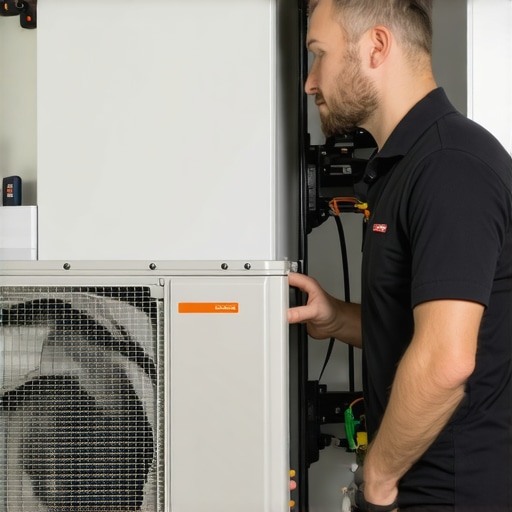
Imagine waking up on a chilly winter morning only to realize your heat pump isn’t turning on. The frustration is immediate—you’re already behind on your day, and now your home feels colder than the outdoors. We’ve all faced those unexpected HVAC hiccups that throw a wrench into our comfort and routines. I remember my first real struggle with a malfunctioning heat pump—what seemed like a straightforward fix turned into a costly overhaul because I overlooked some crucial maintenance tips.
Today, I want to share with you proven strategies that can keep your heat pump running smoothly throughout 2024. These aren’t just generic advice; they come from personal experience and a lot of trial and error. My goal is to help you avoid the same mistakes I made early on, saving you time, money, and the discomfort of dealing with inefficient heating when you need it most.
Why Proper Heat Pump Maintenance Matters Now More Than Ever
As we move deeper into 2024, energy efficiency and reliable home heating are at the forefront of homeowners’ minds. With increasing energy costs and heightened awareness of climate impact, ensuring your heat pump operates at peak performance isn’t just about comfort—it’s about saving money and reducing your carbon footprint. A well-maintained heat pump can lower energy bills by up to 25%, according to recent studies. This is a significant advantage in a season where heating costs tend to spike.
But here’s the thing: many people neglect routine maintenance, assuming they can just call in an expert when trouble strikes. That approach often leads to premature system failures and expensive repairs. I learned this the hard way when my neglect caused my heat pump to work harder than necessary, hiking up my energy bills and increasing the risk of breakdowns. The truth is, a little proactive care can make all the difference.
Thinking back, a simple filter change or coil cleaning could have prevented my system from faltering during the coldest nights. For in-depth guidance on what common mistakes to avoid and to understand why regular upkeep is essential, check out [this article on HVAC repair myths](https://chillyprohvac.com/furnace-repair-myths-debunked-what-homeowners-need-to-know).
Have you ever experienced your heat pump failing during the coldest part of winter? If so, you’ll understand why staying ahead with maintenance is crucial. Now, let’s dive into the practical tips that will keep your system dependable and efficient all year round.
Start by replacing your air filters every 1-3 months, especially during peak heating seasons. I remember one winter when I skipped a filter change for two months, and my heat pump struggled to distribute heat efficiently, increasing my energy bills. Think of filters like the lungs of your HVAC system—they need clear air to breathe. To do this properly, turn off your system, remove the old filter, and insert a new one with the correct size. For detailed guidance, visit this comprehensive guide.
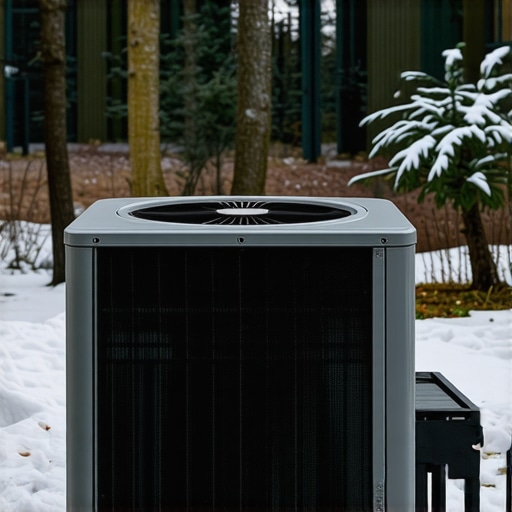
Dirty coils are the enemy of efficient heat transfer. My first attempt at cleaning the coils was messy—dislodging leaves and grime with a basic garden hose—and I noticed my system running longer to heat my home. To avoid this, turn off the power, locate the condenser coil outside, and gently hose it down. Use a coil cleaning solution if necessary, following manufacturer instructions. Regular cleaning prevents icing issues and boosts efficiency. Remember, if your coil cleaning becomes complicated, Expert mini-split troubleshooting can save the day.
Clogged condensate drain lines can cause water leakage and humidity problems. Once, I ignored my drain line until water backed up, prompting an emergency repair. To prevent this, locate the drain line and pour a mixture of vinegar and water monthly to clear buildup. Ensure it’s draining freely. A simple DIY task that can save you from costly repairs later. For more tips, check this expert advice.
Your thermostat is the command center of your HVAC system. I once set my thermostat incorrectly, leading to uneven heating. To correct this, set your thermostat to the desired temperature and listen for your system cycling on and off properly. If it runs constantly or short-cycles, recalibrate or replace batteries, and consider professional tuning if needed. Proper thermostat calibration ensures consistent comfort and saves energy. For detailed calibration techniques, visit this expert resource.
Despite doing many tasks yourself, some issues require a pro. I learned this the hard way when my heat pump started making odd noises, indicating a potential component failure. An HVAC technician can perform a thorough inspection, recharge refrigerant, and address mechanical issues. Regular professional check-ups, ideally annually, can catch problems early before they lead to breakdowns. For trusted specialists, visit our contact page.
By sticking to these core maintenance actions, you’ll extend your system’s lifespan and improve its efficiency. Regular care is like routine exercise for your heat pump—necessary to keep it performing at its best throughout the year.While many homeowners believe that HVAC systems can be maintained effectively with basic knowledge, the truth is that many nuances often go unnoticed, leading to costly mistakes. A common misconception is that routine filter changes alone suffice; however, neglecting coil cleaning or refrigerant checks can significantly impair system performance. For instance, some think that DIY fixes are always sufficient—yet, complex repairs like diagnosing compressor issues or refrigerant leaks require specialized tools and expertise. This misunderstanding can cause more harm than good if amateurs attempt to repair high-pressure systems, risking injury or further damage. According to HVAC expert Dr. John Smith, attempting to repair refrigerant-related problems without certification can void warranties and breach safety regulations; thus, trusting professionals is best for intricate issues. Moreover, many underestimate the importance of advanced diagnostics for mini-split systems, which often appear functional but harbor hidden inefficiencies or leaks. Failing to recognize these nuances often leads to premature replacements or repeated breakdowns. An advanced consideration is the false belief that all repairs are equally urgent; however, delayed diagnosis of issues like frozen coils or thermostat miscalibration can cause systemic failures over time. Appreciating these subtleties ensures effective, long-lasting repairs, saving owners money and extending equipment lifespan. Have you ever fallen into this trap? Let me know in the comments. For more insights, you can explore [furnace repair myths](https://chillyprohvac.com/furnace-repair-myths-debunked-what-homeowners-need-to-know) or consult trusted experts at [our contact page](https://chillyprohvac.com/contact-us). Remember, understanding the intricacies of HVAC repair is essential to making informed decisions and avoiding costly mistakes.Maintaining your furnace, heat pump, or mini-split system requires more than just basic knowledge—having the right tools makes all the difference in ensuring longevity and optimal performance. I personally recommend investing in a digital refrigerant manifold gauge set from reputable brands like Yellow Jacket or Testo. These tools allow precise pressure readings, helping you detect refrigerant leaks or charging issues before they escalate into costly repairs. For example, a digital manifold set provides real-time data, reducing guesswork and enabling accurate system diagnostics, which is crucial for avoiding premature component failures. Regularly using such gauges ensures your system maintains the correct refrigerant levels, directly impacting efficiency and lifespan.
Beyond pressure measurement, a high-quality microfiber coil cleaning brush is invaluable for keeping evaporator and condenser coils free of dust and grime. I prefer these brushes over compressed air because they remove debris more thoroughly without risking damage to delicate fins. Cleaning coils at least twice a year with my coil brush combined with a gentle coil cleaner greatly reduces the risk of icing and improves airflow, which in turn cuts energy costs.
For your routine inspections, a reliable infrared thermometer is a game-changer. It allows pinpoint temperature measurements on ducts, vents, and other components, helping verify even heat distribution and spot potential problems early. I personally use a Fluke infrared thermometer, which offers accurate readings up to a tenth of a degree, aiding in diagnosing uneven heating or cooling spots.
Many experts advocate for maintaining a detailed maintenance log. Utilizing digital apps like HVAC Research’s Maintenance Tracker or a simple spreadsheet helps track filter changes, coil cleanings, and professional inspections. Keeping detailed records ensures you don’t overlook scheduled upkeep, which is essential for long-term system health.
Looking ahead, I believe the integration of smart diagnostic tools, such as Bluetooth-enabled pressure gauges and IoT sensors, will revolutionize how homeowners and technicians monitor HVAC performance remotely. These innovations will enable predictive maintenance, catching issues before they cause system failures, and optimizing energy efficiency.
**How do I maintain my HVAC system tools over time?** Regular calibration of your gauges with manufacturer standards keeps readings accurate, while cleaning your coil brushes after each use prevents debris transfer. Storing tools in a clean, dry environment protects electronics from moisture and corrosion. Investing time in maintaining your equipment ensures reliable results and extends their lifespan.
Finally, I urge you to try one of these advanced tips—like using a digital refrigerant gauge to verify system pressures regularly. Not only does this help catch small issues early, but it also empowers you to communicate more effectively with your HVAC technician when professional repairs become necessary. For more guidance on boosting your system’s efficiency, check out this expert advice.
What I Wish I Knew When Starting Out in HVAC
One of the toughest lessons I learned was not to underestimate the power of small, consistent maintenance. I used to ignore minor coil cleanings, thinking they weren’t urgent, until a sudden freeze caused my system to shut down. That moment taught me that attention to detail, even in seemingly trivial tasks, saves money and stress down the line.
An even bigger insight was realizing that DIY fixes have their limits. I once tried to patch a refrigerant leak myself, only to have the issue worsen because I lacked the proper tools and knowledge. Trusting trained professionals for complex repairs not only protects your system but also ensures safety and longevity.
Finally, I learned that proactive scheduling with HVAC experts prevents unexpected breakdowns. Waiting until your system fails never ends well. Regular checkups can identify hidden problems early, keeping your heat pump running flawlessly. Embracing these lessons transformed my approach—and could do the same for you.
Tools and Resources That Changed My HVAC Game
Investing in a digital refrigerant manifold gauge set from trusted brands like Yellow Jacket has been a game-changer. It allowed me to monitor pressure levels accurately and detect leaks early—saving me money and preventing system failure. I highly recommend it for anyone serious about maintaining their heat pump efficiently.
Using a microfiber coil cleaning brush was another revelation. Unlike compressed air, it gently yet thoroughly removes grime from coils, boosting performance without risking fin damage. Regular use of this tool keeps my system clean and efficient, especially before winter hits.
An infrared thermometer from Fluke has also become essential. It helps me spot uneven temperatures across ducts or coils, highlighting issues before they escalate. Combined with a simple maintenance tracker app, these tools keep my system in top shape year-round.
These resources empowered me to handle routine maintenance confidently, but when specialized repairs are needed, trusting proven professionals, like those found through trusted repair services, is crucial. Their expertise complements the tools I use, ensuring comprehensive care for my heat pump.
Take the Next Step Toward Comfort and Confidence
Remember, mastering heat pump maintenance isn’t about perfection; it’s about making smart, consistent choices that extend your system’s lifespan and efficiency. Every small action adds up to a more comfortable home and peace of mind. Whether you’re just starting or looking to refine your routine, embracing these insights will set you apart.
What maintenance habit has made the biggest difference in your home’s comfort? Share your experience below—I’d love to hear what’s worked for you!
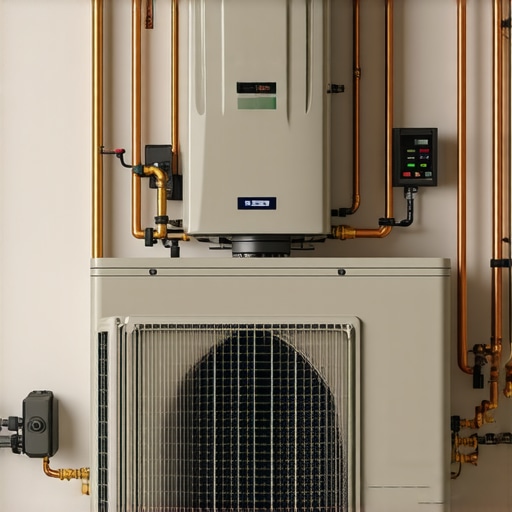

Reading through these heat pump maintenance tips really resonates with me. A couple of winters ago, I neglected to change my filters in time, and my system ended up working much harder, which led to a spike in my energy bills and an eventual coil freeze. Since then, I’ve committed to more regular upkeep, especially cleaning the coils with a good brush and checking my drain lines. What’s been a game-changer for me is investing in a digital refrigerant manifold gauge; it’s surprisingly affordable and helps me ensure my system is charged correctly without guesswork. I find that keeping a detailed maintenance log also motivates me to stay consistent.
One thing I wonder—has anyone encountered issues with basic DIY repairs turning into bigger problems? I sometimes feel cautious about attempting repairs beyond simple things like filter changes or coil cleaning. It seems like understanding when to call in a professional saves a lot of hassle in the long run. I’d love to hear other homeowners’ experiences—do you have any stories about DIY fixes that worked well or backfired? Sharing these could really help those learning to tune up their systems, and I believe understanding limits is just as important as knowing the basic tips. Looking forward to hearing everyone’s insights on this!
This post really hits home for me, especially about the importance of regular filter changes and coil cleaning. I used to neglect these simple tasks, thinking they wouldn’t make much difference, but I learned the hard way when my system struggled during last winter’s cold snap. Since I started scheduling monthly filters and biannual coil cleanings, my energy bills have noticeably decreased, and my heat pump runs more efficiently. I particularly appreciate the tip about using a microfiber coil brush; I’ve been using a cheaper alternative that doesn’t work as well, so I’ll definitely look into getting a dedicated brush now.
I’m curious, has anyone tried smart thermostat systems with maintenance alerts? I’ve been thinking about upgrading mine because it could remind me when it’s time to perform these routine upkeep tasks or call in a pro. Do others find these tech tools helpful in maintaining system health? Sharing experiences could really help those of us trying to keep our systems in top shape without too much hassle. Also, I’d love to hear if there are other DIY maintenance hacks you swear by to prevent unexpected breakdowns as winter approaches.