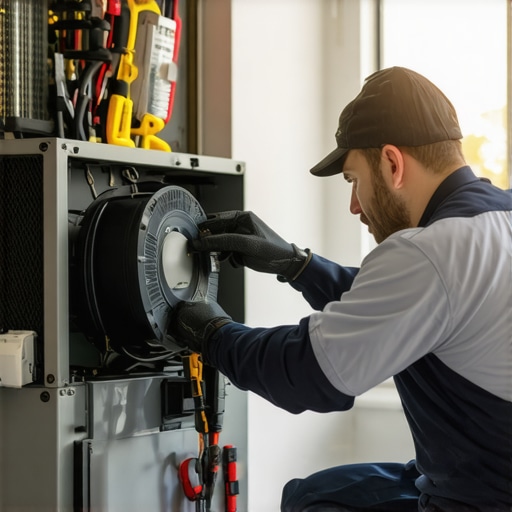
I remember the cold snap last winter, when my furnace decided to give out right before a major snowstorm. That sinking feeling of helplessness, realizing I was vulnerable to a system I thought I could handle, hit hard. It dawned on me that trusting the wrong repair service or skipping essential maintenance can turn a manageable problem into a costly nightmare. If you’re like me, you’ve probably faced moments where your heating system failed at the worst possible time, leaving you shivering and frustrated. The good news? There are proven ways to ensure your heat pump or furnace delivers reliable performance for years to come.
Why Choosing the Right HVAC Experts Matters Now More Than Ever
In 2024, the importance of reliable HVAC repairs can’t be overstated. With climate patterns becoming more unpredictable, your home’s heating system needs to be on point. A study by the U.S. Department of Energy reveals that regular maintenance can reduce your energy bills by up to 30%, underscoring how critical expert servicing is. But, with so many options out there, how do you find the pros who will truly keep your system running smoothly? The answer lies in understanding what makes an HVAC repair service trustworthy and effective. If you’ve ever been burned by a quick fix that didn’t last or a service that overcharged, you’re not alone. I learned my lesson early on—trying to cut corners often leads to more expenses down the line. That’s why I now prioritize working with trusted specialists for all repairs and maintenance.
Is Overpaying for HVAC Repairs Really Necessary?
Early in my journey, I made the mistake of assuming that all HVAC repair services are the same. I selected a cheaper provider based on a quick online search, only to face repeat breakdowns shortly after. This experience taught me a vital lesson: cheap isn’t always better, especially when it comes to something as crucial as home heating. Investing in top-notch, reliable repairs might seem costly upfront, but it pays off through lasting results and peace of mind. If you’re wary about the cost of professional repairs, consider the long-term savings and comfort you’ll gain. For more insights on avoiding common pitfalls, check out our comprehensive guide on [furnace repair myths](https://chillyprohvac.com/furnace-repair-myths-debunked-what-homeowners-need-to-know).
Identify the Core Problem Promptly
When your heating system falters, don’t jump to conclusions. First, verify the symptoms—strange noises, inconsistent heating, or unexpected shutdowns. For example, I once noticed my furnace cycling rapidly—an early sign of airflow issues. I turned to mini-split troubleshooting guides to help diagnose whether it was a minor fix or if professional intervention was needed. This step prevents unnecessary repairs and pinpoints whether you can fix it yourself or need expert help.
Perform Basic Troubleshooting Safely
Before calling in experts, conduct safety-aware checks. Turn off the system at the breaker. Inspect filters—clogged filters reduce efficiency and strain components. Clean or replace filters following manufacturer instructions. A clogged filter caused a breakdown in my heat pump last winter; a simple clean solved the issue temporarily until a repair appointment could be scheduled. For detailed advice, refer to heat pump maintenance tips. Remember: safety first—avoid opening sealed units or electrical panels unless you’re qualified.
Learn the Art of Visual Inspections
Check for obvious issues—loose wiring, oil leaks, or worn belts. Use a flashlight to spot dust buildup or corrosion. During one repair, I noticed corrosion on a relay; cleaning it restored proper operation. Always disconnect power before inspection. Use furnace repair resources to identify parts during your visual check. Visual inspection acts as the first line of defense against silent failures.
Assess System Components Methodically
Check Thermostat Accuracy
Ensure your thermostat displays the correct temperature. An out-of-sync thermostat can make your system cycle improperly. I replaced a faulty thermostat myself, which instantly improved comfort. For advanced tips, consult HVAC repair secrets. Always verify calibration and battery status—simple fixes can save costly repairs.
Inspect Ducts and Vents
Blocked or leaking ducts reduce efficiency. Use a smoke pen or tissue to detect leaks—watch for escaping air. In my case, sealing a leaking duct connection with foil tape increased airflow and lowered energy bills. For more comprehensive guidance, visit furnace and heat pump repair advice. Proper airflow is core to heating system longevity and effectiveness.
Use Data and Experience to Guide Repairs
Record your findings—noises, cycling patterns, or performance issues. Maintaining a repair log helps identify trends and prevents future failures. I kept track of my heat pump’s issues over a season, which helped the technician diagnose a refrigerant leak more efficiently. Leveraging reputable sources such as HVAC troubleshooting guides ensures you’re making informed decisions, whether DIY or professional.
Decide When to Call Professionals
If simple fixes don’t resolve the issue or if electrical components are involved, it’s time for experts. Rely on licensed technicians with proven experience—an investment that pays off in system longevity. When I faced complex wiring issues, I consulted trusted specialists from our contact page. Remember, attempting complicated repairs without proper knowledge can be dangerous and costlier in the long run.
Follow Up and Maintain Regularly
Post-repair, observe your system’s performance. Schedule routine maintenance—filters, vents, and inspections—to prevent future breakdowns. Regular checkups, as recommended in heat pump maintenance guides, extend equipment lifespan. Consistent care reduces emergency repairs and ensures you stay warm when it counts most.
Many homeowners operate under misconceptions about HVAC systems, especially mini-splits, furnaces, and heat pumps. One prevalent myth is that DIY fixes can replace professional repairs, which can be dangerous and ultimately costly. While basic troubleshooting like replacing filters or cleaning coils is safe and effective, tackling complex electrical or refrigerant issues without proper training can cause system damage or personal injury. For example, attempting to recharge refrigerant without certification can lead to leaks and environmental harm, as highlighted by industry experts. 🛑
Another misconception is that mini-splits are entirely maintenance-free due to their modern design. However, neglecting regular inspections for debris, refrigerant levels, or electrical connections can reduce efficiency and lifespan. Advanced users should understand that even these systems benefit from professional tune-ups—just like traditional units. For insights on mini-split troubleshooting, check out this guide on [mini-split troubleshooting guides](https://chillyprohvac.com/mini-split-troubleshooting-when-and-how-to-call-a-pro).
Beyond maintenance, many believe that repairs are always urgent and should be fixed immediately at the first sign of trouble. While prompt action is vital, rushing into repairs without diagnosing the root cause can lead to unnecessary replacements. For example, a short cycling furnace might seem urgent, but it could be caused by simple thermostat calibration or airflow problems—issues that often don’t require full system replacement. Learning to interpret symptoms correctly can save hundreds of dollars.
**When is the right time to call an expert?** This question is vital for those aiming to avoid costly mistakes. If you suspect electrical failures, refrigerant leaks, or system-specific diagnostics, professional intervention is crucial. As noted in [HVAC repair secrets](https://chillyprohvac.com/hvac-repair-secrets-boost-efficiency-with-expert-tips), certified technicians possess the tools and knowledge to ensure safe, reliable repairs that extend system longevity. Remember, neglecting these nuances may seem convenient but often results in bigger problems down the line.
Do you ever fall prey to these misconceptions? Share your experiences in the comments. Let’s shed light on what really matters for maintaining a resilient HVAC system and avoiding costly errors.
Tools I Recommend for Effective HVAC Maintenance
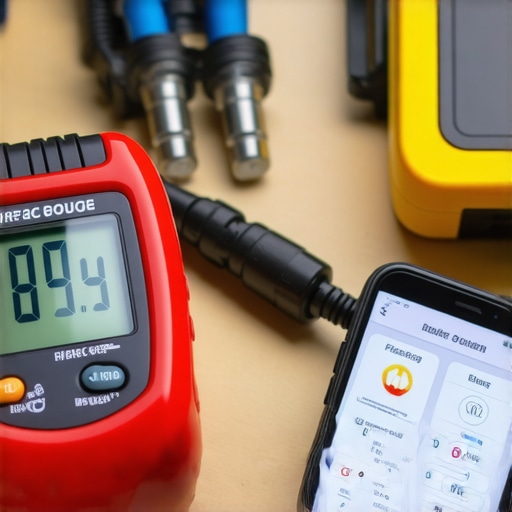
When it comes to maintaining my mini-split and heat pump systems, I rely heavily on a select few specialized tools that make the job safer and more effective. A digital manifold gauge set is essential for accurately checking refrigerant pressures without risking leaks or overcharges. I personally favor the TESTO 550 digital manifold because its Bluetooth capability allows me to monitor system parameters remotely, ensuring accurate diagnoses. Additionally, a high-quality infrared thermometer is invaluable for identifying temperature inconsistencies across ductwork or heat exchanger surfaces, helping pinpoint issues like poor airflow or heat exchange inefficiencies. I use the Fluke 62 MAX+ for its ruggedness and precise readings, especially in tight or hard-to-reach areas.
In terms of software, I recommend using HVAC diagnostics apps like HVAC Pal, which provide step-by-step troubleshooting guides tailored to specific models. These apps incorporate up-to-date technical data and diagnostic routines that simplify complex procedures, saving time and reducing errors. I keep this app synchronized with my repair logs to track recurring issues and system performance over time, which enhances my ability to predict and prevent failures.
Long-Term Strategies for HVAC System Health
Consistent maintenance using these tools supports systems’ longevity and efficiency. Regularly checking refrigerant levels and system pressures with these devices helps avoid the common mistake of neglecting small leaks that can escalate into costly repairs. I schedule biannual calibrations and inspections, focusing on components susceptible to wear, like filters, fans, and electrical connections. Recording readings and observations over time allows me to identify declining performance early.
Looking ahead, I believe the trend in HVAC maintenance will lean toward smart diagnostics and automation. As sensors become more affordable and wireless, future systems might self-report issues or even initiate self-cleaning routines, reducing the need for manual intervention. Investing in compatible tools now positions homeowners to adapt seamlessly to these advancements.
How do I maintain HVAC systems over time?
Honestly, staying on top of routine checks with the right tools is key. Using a digital manifold gauge to monitor refrigerant, an infrared thermometer for heat flow, and diagnostic apps to keep records has transformed my approach from reactive to proactive. This not only extends the lifespan of my equipment but also keeps my energy bills manageable. For comprehensive guidance, I always reference trusted resources like the ultimate heat pump maintenance guide. I encourage you to try calibrating your system’s pressures with a digital manifold today—it’s a game-changer for early problem detection and cost savings.
What I Wish I Knew When Starting Out in HVAC Maintenance
If I could go back, I’d tell my rookie self to never underestimate the importance of detailed record-keeping. Tracking each repair, part replacement, and system behavior has saved me countless times from unnecessary work and expenses. Additionally, trusting my instincts and not waiting too long to call in professionals for complex issues has prevented minor glitches from turning into major breakdowns. Finally, understanding that maintenance isn’t a one-time act but a continuous process changed my entire approach—regular checkups, staying informed with trusted resources, and proactive care are the keys to a reliable HVAC system.
Tools That Transformed My HVAC Maintenance Routine
My essential toolkit now includes a digital manifold gauge set, like the TESTO 550, which provides precise refrigerant pressure readings and helps prevent costly overcharging. An infrared thermometer such as the Fluke 62 MAX+ is invaluable for identifying temperature inconsistencies, revealing airflow issues or heat exchange problems early. I also rely heavily on diagnostic apps like HVAC Pal, where I log system behaviors, troubleshoot with step-by-step guides, and keep track of recurring patterns—all of which make repairs more predictable and less stressful. These tools have empowered me to take control of my home’s heating performance confidently.
Keep Moving Forward—The Future of Home Heating
Embracing technology and proactive maintenance is shaping the future of reliable home heating. Expect systems with built-in sensors that diagnose issues before they escalate and connect seamlessly with apps for real-time alerts. As smart diagnostics become more accessible, maintaining your heat pump or furnace will evolve from a reactive chore into an intuitive process. Investing in these advancements now not only prolongs the lifespan of your HVAC system but also ensures consistent comfort regardless of unpredictable weather. Whether you’re a DIY enthusiast or prefer professional help, staying curious and adaptable will keep your home warm and efficient for years to come.
What’s the biggest lesson you’ve learned in caring for your heating system? Share your experience below—let’s learn from each other’s journeys toward better home comfort!
**Note:** Remember, regular maintenance and the right tools make all the difference in HVAC longevity and efficiency. If you’re unsure where to start or need expert guidance, consider reaching out to trusted specialists—your future self will thank you.