The Anatomy of Winter Comfort: Beyond the Thermostat
I remember my old mentor, a man who smelled exclusively of pipe tobacco and 3-in-1 oil, screaming at me in a crawlspace back in ’94: ‘You can’t heat what you can’t touch!’ He wasn’t talking about the radiator; he was talking about the molecules. He was talking about the physics of heat transfer. If your airflow is restricted, your horsepower is irrelevant. As we stare down the barrel of a 2026 winter, this logic holds more weight than ever. Whether you are running a high-efficiency furnace or a modern pellet stove, the mechanical principles do not care about your feelings or your ‘smart’ home stickers. They care about static pressure, combustion air, and thermal bridging.
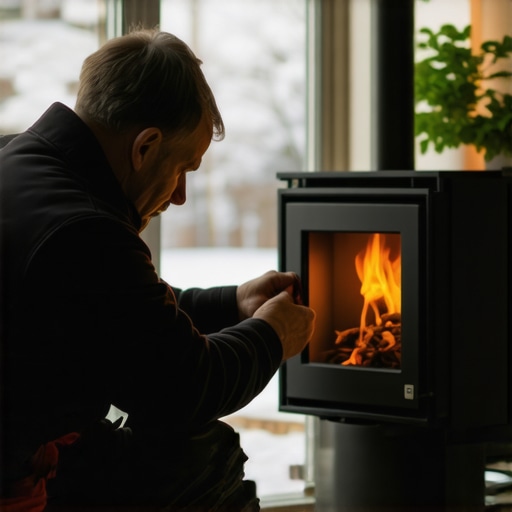
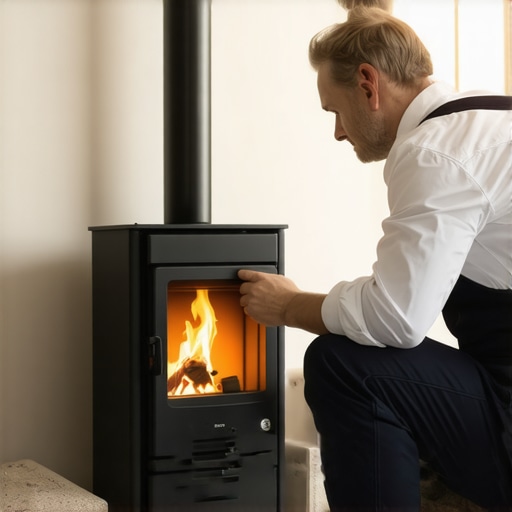
We are seeing a massive shift in how homeowners approach supplemental heat. With the rise of AI-driven HVAC optimization, the humble pellet stove has been transformed from a cast-iron box into a sophisticated piece of thermodynamic machinery. But sophistication breeds complexity. When that unit stops at 3 AM in a sub-zero vortex, you don’t need a sales pitch; you need a forensic diagnosis. You need to know why the auger is screaming or why the vacuum switch refuses to close. This is the reality of the trade—it’s dirty, it’s precise, and it doesn’t tolerate ‘good enough.’
“The most expensive equipment in the world cannot overcome a bad duct system.” – Industry Axiom
1. The Auger Jam: The Mechanical Heartbeat
The auger is the digestive tract of your pellet stove. When it jams, the heart stops beating. In the 2026 models, we are seeing more high-torque, low-RPM motors that are sensitive to pellet fines—that sawdust at the bottom of the bag. A ‘Sparky’ might tell you it’s an electrical failure, but it’s usually mechanical friction. If you hear a low-frequency hum without movement, your motor is stalled. You have to clear the flighting. This is where remote thermostat access helps; modern sensors can alert you to a ‘no-fuel’ state before the house drops below 50 degrees. If you’re constantly clearing jams, check the moisture content of your fuel. Wet pellets expand, and that expansion is enough to shear a hardened steel pin.
2. The Vacuum Switch: The Silent Safety Sentinel
Your stove has a ‘brain’ that won’t let it fire if it thinks it’s going to leak carbon monoxide into your living room. The vacuum switch monitors the pressure inside the firebox. If the ‘Tin Knocker’ who installed your venting didn’t use enough ‘Pookie’ (mastic) or high-temp silicone at the seams, you lose that pressure. It’s a common HVAC repair call that ends in a simple fix. We often find that a spider has crawled into the pressure sensing tube. One tiny web is enough to fool the sensor into thinking the exhaust blower has failed. In the North, where we deal with heavy snow, always check your exterior vent cap. If it’s buried, your stove is a paperweight.
3. The Igniter Failure: Electrical Resistance in a Cold Realm
The igniter is essentially a high-wattage heating element. It gets white-hot to light the pellets. In the context of 24/7 heating emergency response, this is the most frequent component to die. They have a finite number of ‘starts’ in them. If your stove is short-cycling—turning on and off too frequently because your programmable thermostat programming is poorly configured—you are killing the igniter prematurely. I’ve followed sales techs who try to sell a whole new control board when the igniter just reached the end of its duty cycle. It’s a $60 part and a 20-minute swap. Don’t let someone talk you into a $5,000 replacement because of a burnt-out coil.
“Proper sizing of heating equipment is critical to prevent short-cycling and ensure equipment longevity.” – ACCA Manual S
4. The Combustion Blower: Airflow is King
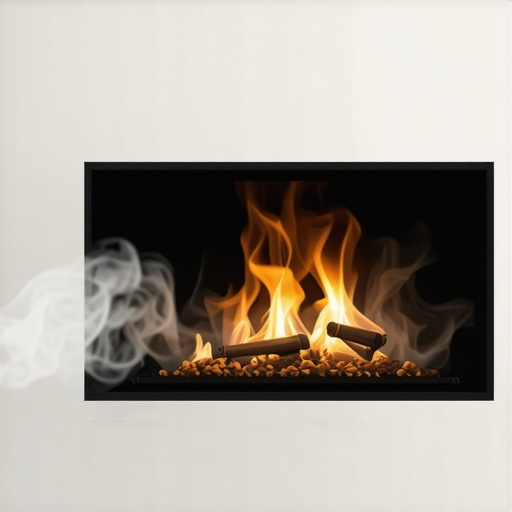
You can have all the ‘Gas’ (or pellets) in the world, but without oxygen, you have no fire. The combustion blower pulls air through the burn pot. If this motor’s bearings start to screech like a banshee, you are looking at an imminent failure. This is often ignored until the stove goes into a ‘lazy flame’ state—dark, smoky, and inefficient. This is where air purification integration becomes a factor. A dirty stove doesn’t just heat poorly; it introduces particulate matter into your home’s air. If you want a warmer 2026, you need to ensure the exhaust path is clear. This isn’t just about the stove; it’s about the attic insulation for heating efficiency. If your house is a sieve, the stove will run at 100% duty cycle, burning out the blower in a single season.
5. The Burn Pot: Latent Heat and Ash Clinkers
In high-humidity regions or even the humid North during a thaw, pellets can absorb moisture. This leads to ‘clinkers’—hardened blocks of ash that fuse together in the burn pot. This blocks the airflow. Think of it like a clogged suction line in an AC unit; if the medium can’t move, the heat can’t be transferred. For those integrating radiant floor heating installation with a pellet boiler, the water chemistry is also vital, but at the stove level, it’s all about the air-to-fuel ratio. Regular cleaning is the only ‘fix.’ There is no ‘AI-driven’ solution for a pot full of ash. If you’re looking for dehumidification services to keep your fuel dry, you’re thinking like a pro.
The 2026 Perspective: Systems, Not Appliances
Stop looking at your pellet stove as a standalone appliance. In a modern home, it is part of a thermal ecosystem. This includes your app-controlled heating systems, your insulation, and your primary HVAC unit. If you’re struggling with cold spots, it might not be the stove’s fault. You might need to look at hvac repair secrets to understand how your home loses heat. If you’re running a heat pump as your primary, the pellet stove is your ‘Emergency Heat’ for when the polar vortex hits. Understanding heat pump maintenance and repairs is just as important as knowing how to clean your burn pot. Don’t be the homeowner who waits for the first blizzard to realize their system is failing. For those in the deep North, a cracked heat exchanger in your main furnace is a death sentence for your comfort—learn the furnace repair myths before you pay for a service call. If your mini-split is acting up in the cold, know when to call a pro versus when to just brush the snow off the outdoor coil. Heat is physics, not magic. Treat your equipment with respect, keep the airflow moving, and stay warm.