The 2026 Regulatory Cliff and Why Your Old Furnace is a Dinosaur
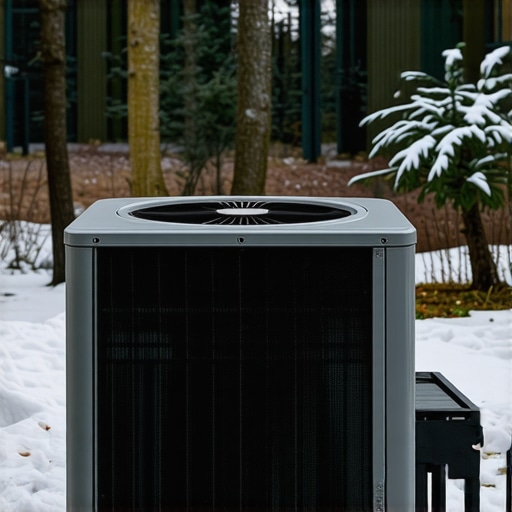
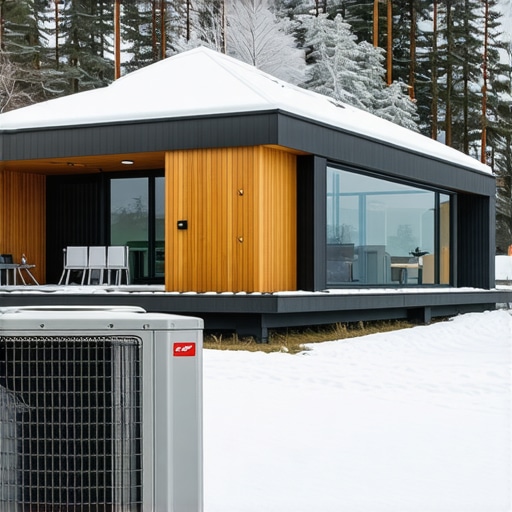
Listen, I’ve spent thirty years crawling through spider-infested crawlspaces and baking on asphalt roofs, and I can tell you one thing for certain: the HVAC industry is about to hit a brick wall, and most homeowners are driving toward it with their eyes shut. By 2026, the transition to A2L refrigerants like R-454B will be in full swing, and the old R-410A units—the stuff we’ve been charging with ‘juice’ for two decades—are going the way of the dodo. If you’re still clinging to an 80% AFUE gas furnace because you think heat pumps can’t handle a real winter, you’re operating on ’90s logic. My old mentor used to scream at me, ‘You can’t cool what you can’t touch, and you can’t heat what you don’t understand!’ This is why airflow matters more than raw horsepower. In the cold climate zones of the North, we’re not just moving air; we’re fighting physics. When the ambient temperature drops to -10°F, a standard unit gives up. But the new breed of cold-climate machines? They’re built for the polar vortex.
“Load calculations shall be performed to determine the heating and cooling loads of the building… The most expensive equipment in the world cannot overcome a bad duct system.” – ACCA Manual J & Industry Axiom
1. Thermodynamic Superiority: The End of the ‘Cold Blow’
The first pro you need to understand for 2026 is the death of the ‘cold blow’ effect. Old-school heat pumps were notorious for blowing 85°F air when it was 30°F outside. To a human body at 98.6°F, that feels like a draft. But with modern inverter-driven compressors and vapor injection technology, we’re seeing discharge temperatures that actually rival a gas furnace. By using HVAC load calculation services, we ensure the unit isn’t just ‘sized by the square foot’—which is a hack move—but matched to the actual heat loss of your home. These new systems use flash injection to keep the suction line pressures stable even when it’s brass monkeys outside. If your tech isn’t talking about subcooling and superheat during the install, he’s just a glorified parts-changer. You need to know that these systems are designed to extract latent heat from air that feels ‘frozen’ to you, but still contains plenty of energy for the refrigerant to scavenge.
2. Intelligence Integration and Smart Management
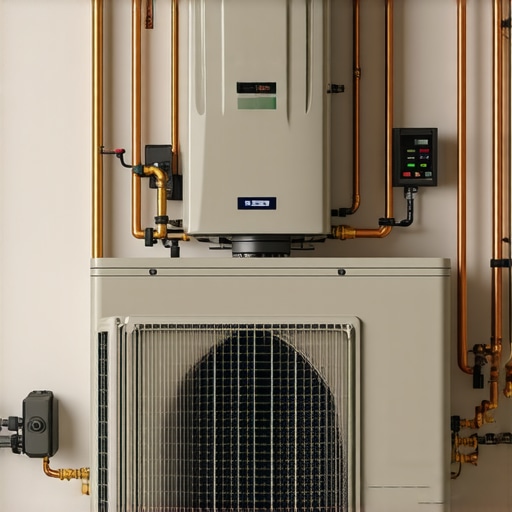
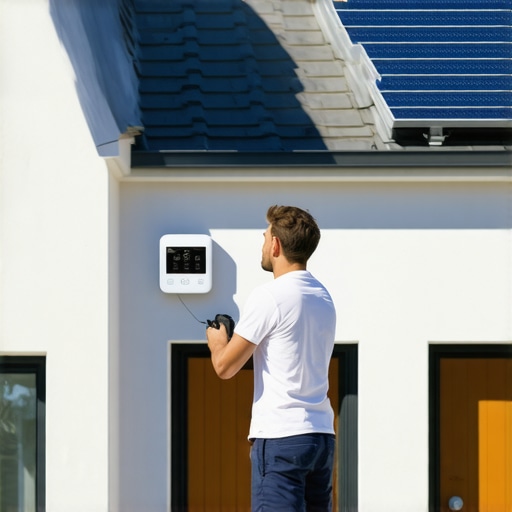
Pro number two is the level of control we have now. We’re moving beyond the days of a simple bimetal strip in a plastic box. WiFi thermostat integration and smart building management are no longer luxuries; they are the nervous system of a 2026-ready home. These systems talk back. They’ll tell me if a transformer replacement is imminent because of a voltage spike, or if your furnace filter replacement is overdue before the static pressure kills the blower motor. We’re integrating leak detector integration directly into the evaporator coils because these new A2L refrigerants are ‘mildly flammable.’ Don’t let that scare you—it just means we’re finally building systems with the safety sensors they should have had years ago. If you’re running hydronic heating systems, we can even tie these heat pumps into your existing boiler loops for a hybrid setup that’s bulletproof.
“Standard 90.1 sets the minimum energy efficiency requirements for most buildings… proper maintenance of heat transfer surfaces is critical for performance.” – ASHRAE Standards
3. The ‘Tin Knocker’s’ Revenge: Pure Airflow and Efficiency
The third pro is the mandatory focus on the ‘lungs’ of your house. For years, guys would slap a 5-ton unit on a 3-ton duct system and wonder why the compressor burned out in five years. You’ll hear a sour, acidic smell—the smell of a burnout—and that’s the smell of money wasting away. In 2026, the efficiency standards are so tight that we have to be ‘Tin Knockers’ first and mechanics second. This means duct cleaning services and sealing with ‘Pookie’ (mastic) are non-negotiable. If your static pressure is too high, these high-efficiency motors will hunt for RPMs until they fry. That’s why hvac repair secrets always start with the ductwork. By optimizing the airflow, we ensure the evaporator coil drops precisely below the dew point to manage humidity in the summer while maximizing heat transfer in the winter. For those in the North, this means your heat pump won’t turn into an ice block every time the moisture hits the fins. If you aren’t on a priority service membership, you’re going to be the one calling a ‘Sparky’ at 2 AM when a capacitor pops during a cold snap. Don’t be that guy. Get your programmable thermostat programming dialed in, trust the physics of the 2026 inverter tech, and stop paying the gas company for the privilege of a drafty house.
{“@context”:”https://schema.org”,”@type”:”HowTo”,”name”:”Switching to Cold Climate Heat Pumps”,”step”:[{“@type”:”HowToStep”,”text”:”Perform a Manual J load calculation to determine the specific heating needs of the home.”},{“@type”:”HowToStep”,”text”:”Evaluate existing ductwork for static pressure issues and seal leaks with mastic.”},{“@type”:”HowToStep”,”text”:”Install an inverter-driven cold climate heat pump with vapor injection technology.”},{“@type”:”HowToStep”,”text”:”Integrate a smart WiFi thermostat for real-time system monitoring and efficiency tracking.”}]}