The Sound of a Dying Flame: A 3 AM Forensic Diagnosis
It starts with a sound that most homeowners ignore until the thermostat reads 54 degrees and the indoor humidity starts feeling like a tomb. It’s that rhythmic, mechanical clicking—the sound of a control board desperately trying to prove it still has a job while the inducer motor groans in protest. I’ve spent thirty winters in this trade, and I can tell you that when a furnace dies in the middle of a January polar vortex, it’s rarely a ‘total system failure’ despite what a sales tech with a shiny clipboard and a zero-down financing plan will tell you. Usually, it’s a breakdown in the logic of the machine, specifically in how it handles the dance between gas pressure and airflow. In the world of high-efficiency modulating systems, the margin for error is razor-thin.
My old mentor, a man who could identify a cracked heat exchanger by the way the flame ‘danced’ before he even pulled his combustion analyzer, used to scream at me, ‘You can’t heat what you can’t touch!’ This is the gospel of the trade. If your airflow is restricted by a clogged secondary coil or a ‘tin knocker’ who undersized your return air drops twenty years ago, that $12,000 modulating furnace is essentially a Ferrari stuck in a school zone. It’s struggling to transfer sensible heat because the physics of the system are working against it. By 2026, the complexity of these units has only intensified with the integration of A2L refrigerant sensors and more aggressive geofencing temperature control algorithms that demand perfect calibration.
The Anatomy of Efficiency: Understanding the Modulating Valve
A standard furnace is a blunt instrument. It’s either on at 100% or it’s off. A modulating furnace, however, is a surgical tool. It uses a stepper motor on the gas valve to adjust the fuel flow in increments as small as 1%, keeping your home within half a degree of the setpoint. But when that valve stops communicating with the board, or the pressure switches start fluttering because of a blocked condensate trap, the system defaults to a lockout. This is where most homeowners get fleeced. Before you let someone talk you into a total replacement, you need to understand the mechanical anatomy. We are looking at the ‘Gas’ (refrigerant or fuel), the ‘Sparky’ (electrical components), and the ‘Pookie’ (the mastic sealing the leaks). If the internal logic is sound, we can usually save the unit with four specific interventions.
“The most expensive equipment in the world cannot overcome a bad duct system.” – Industry Axiom
Fix 1: Control Board Diagnostics and Firmware Synchronization
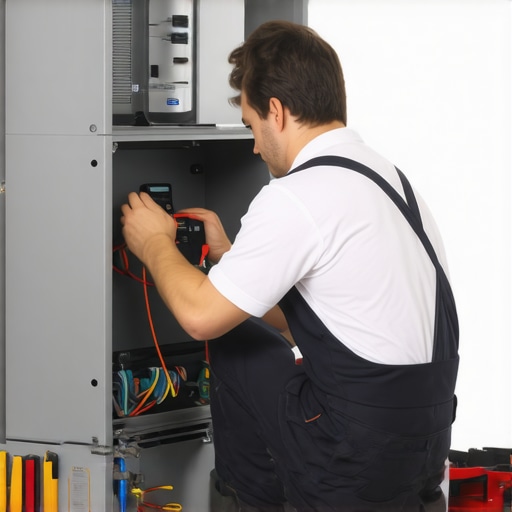
In 2026, the ‘Brain’ of your furnace isn’t just a set of relays; it’s a computer running complex modulation algorithms. One of the most common causes of high energy bills is a control board that has lost its ‘map.’ If the board isn’t correctly interpreting the signal from the geofencing temperature control, it may be over-firing the burners, defeating the purpose of having a modulating unit. We don’t just ‘swap boards’ like a parts-changer. We check the DC voltage to the gas valve and verify the PWM (Pulse Width Modulation) signal. Often, the fix is a simple recalibration or a firmware update to ensure the unit is communicating with the dual fuel heat pump system effectively. This is where hvac repair secrets really come into play—testing, not guessing.
Fix 2: The Integration of Heat Recovery Ventilators (HRV)
In cold climates, we’ve sealed our houses so tight they’ve become petri dishes. A modulating furnace running at low capacity for long cycles can actually lead to stale air issues. The fix that saves the most money in the long run is integrating a Heat Recovery Ventilator. An HRV captures the sensible heat from the exhaust air and transfers it to the incoming fresh air. This reduces the load on your furnace by up to 20%. If your furnace is short-cycling or your windows are covered in condensation, you don’t need a bigger furnace; you need a way to manage the latent heat. This is often where a furnace repair myths check is vital: more power isn’t the answer, better airflow is.
Fix 3: Manual J Calculations and Static Pressure Correction
I’ve walked into thousand-square-foot condos where some hack installed a 100,000 BTU furnace. It’s a crime. By 2026, with energy prices where they are, you cannot afford an oversized unit. An oversized modulating furnace will never actually modulate; it will hit the setpoint too fast and shut down, which is the most inefficient way to run. We use Manual J calculations to ensure the furnace is sized to the actual heat loss of the building. If your unit is already in place, we look at ‘Static Pressure.’ If the pressure is too high, the motor works harder, draws more amps, and dies early. Sometimes, adding a single return air drop or replacing a restrictive 1-inch filter with a 4-inch media cabinet can drop your heating costs significantly.
“Ventilation shall be provided by mechanical means… to ensure the health and safety of occupants while maintaining thermal equilibrium.” – ASHRAE Standards
Fix 4: Contactor Repair and Dual Fuel Optimization
If you are running a dual fuel heat pump system, the ‘switch point’ is where the money is won or lost. In 2026, the transition between the electric heat pump and the gas furnace is handled by the outdoor ambient sensor and the control board. If your contactor is pitted or showing signs of arcing, the heat pump might not be engaging when it should, forcing the more expensive gas furnace to take over too early. A simple contactor repair and a check of the refrigerant leak detection sensors can keep the ‘Juice’ flowing where it’s most efficient. For those with older homes, a heat pump maintenance routine is the only way to ensure the furnace isn’t doing all the heavy lifting during the mild parts of the winter.
The Math: Repair ($600) vs. Replace ($9,500)
When do you pull the plug? If your furnace is over 15 years old and the heat exchanger is showing signs of stress—rust, hairline fractures, or ‘hot spots’—no amount of ‘Pookie’ or board swapping will save it. However, if the heat exchanger is solid, most modulating furnace issues are related to sensors, motors, or setup. The cost of a new high-efficiency unit in 2026 is staggering due to the new A2L refrigerant mandates and the labor required for proper wall furnace installation or central system commissioning. Most homeowners can see a 30% reduction in their utility bills just by optimizing the geofencing temperature control and performing rebate application assistance to offset the cost of high-efficiency upgrades. If you’re unsure where your system stands, you can always contact us for a real diagnostic, not a sales pitch.
The Scam Tune-Up vs. Real Maintenance
Beware the $29 ‘Tune-Up.’ No real tech is driving a van to your house for thirty bucks unless they plan on ‘finding’ a $1,000 problem. A real maintenance visit involves checking the combustion CO levels, cleaning the flame sensor (so you don’t have to deal with pilot light relighting issues), and verifying the static pressure. It’s about ensuring the thermodynamic boundary layer is actually doing its job. Don’t be the person who ignores the ‘screech’ of a failing bearing until the motor seizes on Christmas Eve. Whether it’s a mini split troubleshooting session or a full furnace overhaul, remember that comfort is a product of physics, not magic. You pay for the airflow, but you live with the results of the installation. Keep your coils washed, your filters changed, and your ‘Tin Knocker’ on speed dial.