The Sound of Wasted Watts and Empty Air
Listen close. I’ve spent thirty years smelling burnt windings and scrubbing pookie off my elbows in attics that would melt a plastic toy. My old mentor, a guy who could hear a refrigerant leak from across a parking lot, used to scream at me: ‘You can’t cool what you can’t touch!’ He was talking about the physics of the evaporator coil, but he was also talking about the idiocy of cooling a 4,000-square-foot house when only two people are in the kitchen. In 2026, the game is changing. If you’re still blowing ‘juice’ through a three-ton coil to satisfy a thermostat sitting in an empty hallway, you’re not just wasting money—you’re murdering your equipment performance.
“The most expensive equipment in the world cannot overcome a bad duct system or an inefficient control strategy.” – Industry Axiom
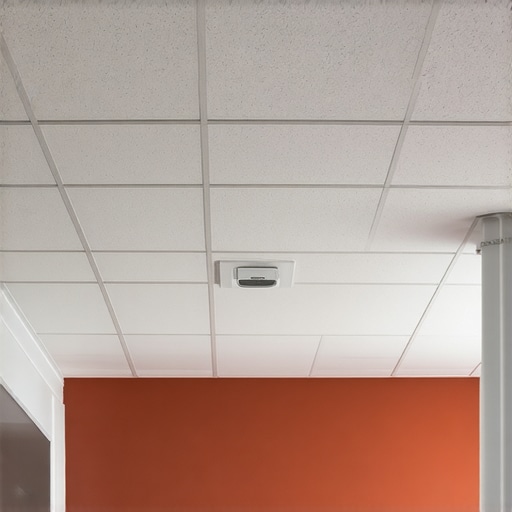
We’re looking at a future where new construction heating design isn’t just about sticking a box in a closet. It’s about airflow architecture. When we talk about occupancy sensors, the average homeowner thinks of a light switch. In the HVAC world, a sensor is a surgical tool. We are dealing with latent heat—that swampy humidity that hangs in the air. If you cool an empty room, you’re removing heat that doesn’t need to be removed, which causes the system to ‘short cycle.’ This is a death sentence for compressors because the oil doesn’t get enough time to return to the pump, and the ‘suction line’ never hits that ‘beer can cold’ sweet spot that keeps the motor cool.
1. The Thermostat Wiring Upgrade: More Than Just a C-Wire
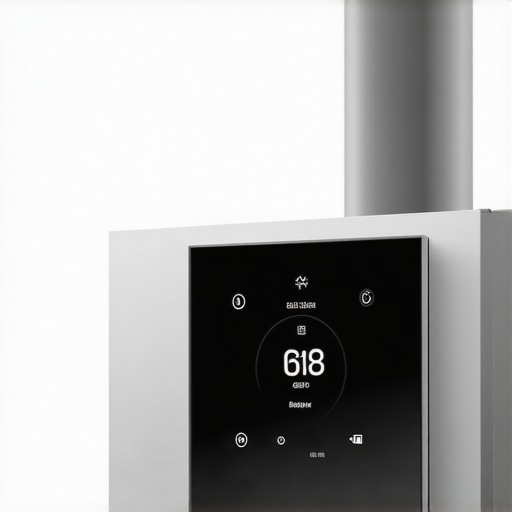
The first fix for 2026 is the thermostat wiring upgrade. Most old-school ‘stats’ have five wires if you’re lucky. To integrate PIR (Passive Infrared) occupancy sensors properly, we need to talk about communication. We aren’t just sending a 24V signal to a contactor anymore. By pulling new shielded cabling, we can integrate remote sensors that tell the brain of the system when a guest bedroom is vacant. This allows the system to adjust its programmable thermostat programming dynamically. But here’s the rub: if you don’t have HVAC duct sealing done with real mastic (the ‘pookie’ I mentioned earlier), those sensors are useless. You’ll be sensing ‘occupancy’ but the air you’re trying to save is just leaking into the crawlspace through a crappy tape job. If you’re struggling with a system that won’t behave, check out these hvac repair secrets to see how we tackle the deeper mechanical issues.
2. Smart Dampers and Static Pressure: The Tin Knocker’s Nightmare
The second fix involves the ductwork. You can’t just shut off air to a room because an occupancy sensor said so without consequences. That air has to go somewhere. If you close a damper, the static pressure in the trunk line spikes. This makes the blower motor work like a pack mule going uphill. In 2026, we are seeing new construction heating design that uses bypass dampers or variable-speed blowers that can ‘sense’ the backpressure. We also integrate leak detector integration within these smart zones. If a sensor shuts down a zone and the pressure drops unexpectedly, the system knows you’ve got a disconnected flex duct. It’s about more than just comfort; it’s about protecting the ‘gas’ in the system. If you’re running a heat pump, you need to understand the ultimate guide to heat pump maintenance to ensure your zoning doesn’t freeze the coil in the winter.
“Systems shall be designed to provide the required outdoor air ventilation rate to the breathing zone of the occupied space.” – ASHRAE Standard 62.2
When we integrate occupancy sensors, we have to respect the psychrometric logic. In humid climates, if you stop cooling a room for too long, the dew point rises and you get mold growth on the registers. The sensor fix for 2026 involves ‘ventilation flushing’—the system periodically cycles air even if the room is empty to keep the steam humidifiers or dehumidifiers from letting the air stagnate.
3. The Propane and Safety Integration
For my folks out in the sticks, propane conversion services are becoming a big part of the efficiency push. When you pair a high-efficiency propane furnace with occupancy-based zoning, the savings are astronomical. But you can’t forget the basics. I’ve seen portable heater safety checks fail because someone tried to supplement a ‘cold room’ that was actually just a sensor-isolated zone. Don’t be that guy. If a room is cold because the sensor says it’s empty, don’t plug in a space heater and melt your outlet. Instead, ensure your furnace filter replacement is up to date so the system can actually push the air when the sensor finally clicks ‘occupied.’ If you’re hearing weird noises when your zones kick in, you might be falling for some furnace repair myths. Real airflow shouldn’t sound like a jet engine taking off.
For those using swamp cooler maintenance strategies in the desert, occupancy sensors can control the water pump timing. It’s all about physics. You’re trying to drop the sensible heat without spiking the humidity too high for comfort. If you have a room that’s always hot regardless of the sensor, it might be time for a mini-split troubleshooting session. Sometimes the ‘tin knocker’ just couldn’t get a duct into a tight spot, and a head-unit is the only real fix. If you need a pro to look at your sensors or your ‘juice’ levels, contact us before you fry a control board trying to DIY a 2026-spec system. Efficiency is physics, not magic. Respect the airflow, keep your coils clean, and stop cooling air that nobody is breathing.