The Sound of a Choking Blower: Why Airflow is Your Only Protection in 2026
I remember my old mentor, Big Sal, dragging me into a cramped, spider-infested attic in the middle of a February freeze. He pointed a shaking finger at a dusty squirrel cage blower that was screeching like a banshee. ‘Look at that, kid,’ he’d growl over the mechanical groan. ‘That’s the lungs of this house, and they’re full of fiberglass, dead skin, and god-knows-what. You can’t cool or heat what you can’t touch!’ Sal was a hard-nose, but he was right. If the air isn’t physically hitting the heat exchanger or the evaporator coil because it’s blocked by a layer of filth, your comfort is dead on arrival. In the trade, we see this every day. Homeowners think the ‘magic box’ in the basement just makes cold or hot air. It doesn’t. It moves heat, and in 2026, with tighter home construction and the phase-out of older refrigerants, the quality of that movement depends entirely on your filtration strategy.
“The most expensive equipment in the world cannot overcome a bad duct system.” – Industry Axiom
We are entering a new era of indoor air quality. By 2026, the EPA regulations and the shift toward A2L refrigerants mean our systems are getting more sensitive. The coils are getting denser, the fins are tighter, and the tolerance for ‘junk’ in the air is zero. If you are still relying on those 1-inch fiberglass throwaway filters that you can see through, you aren’t just letting allergens in; you’re committing mechanical homicide on your equipment. This is where HEPA filter systems come into play. They aren’t just a luxury anymore; they are the frontline defense against a changing environment and increasingly brittle HVAC technology.
1. The Physics of the Micron: Why MERV Filter Upgrades Aren’t Enough
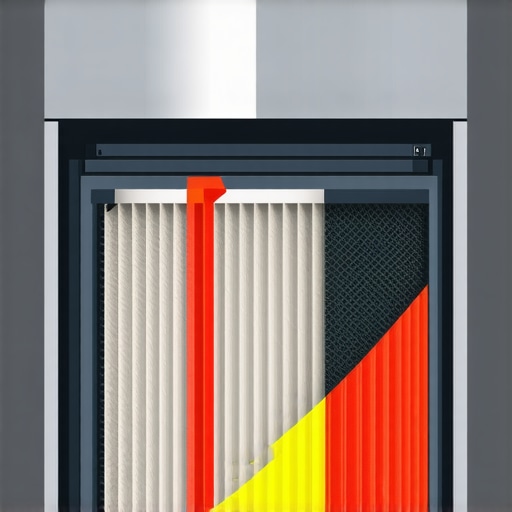
When most folks talk about MERV filter upgrades, they think going from a MERV 8 to a MERV 11 is the finish line. It isn’t. In the North, where we lock our houses up tight for six months of the year, we create a literal pressure cooker of pathogens. A standard filter is like a chain-link fence trying to stop mosquitoes. HEPA filter systems, however, are rated to trap 99.97% of particles down to 0.3 microns. To put that in perspective, a human hair is about 70 microns. We are talking about capturing the stuff that actually triggers the 2026 allergy spikes: ultra-fine dust, smoke particulates from distant wildfires, and even some viral loads. But here is the catch that the ‘Sales Techs’ won’t tell you: you can’t just slap a HEPA filter into a standard return air grill. The static pressure would be so high it would cook your fan motor faster than a cheap steak. You need a bypass system or a motor that can handle the load, which is why variable speed furnace services are the backbone of modern air quality. These blowers can ramp up their RPMs to overcome the resistance of a high-density filter without burning out a relay services board.
2. The Attic and Crawl Space Connection: Sealing the Source
You can have the best filter in the world, but if your duct design services were handled by a ‘tin knocker’ who was in a hurry, you’re breathing attic air. I’ve crawled through enough fiberglass to know that most ‘allergies’ are actually just attic insulation for heating leaking into the return ducts. When the system kicks on, it creates a vacuum. If there are holes in your pookie (that’s mastic duct sealant for the laypeople), the system sucks in the gray, dusty air from your attic or the damp, moldy air from crawl space heating solutions. In 2026, we solve this by integrating HEPA systems with total duct sealing. We use the ‘suction line’ logic—everything must be airtight. If you’re smelling something sour or acidic, it might not just be a compressor burnout; it could be your system pulling ‘juice’ from a damp crawl space. This is why we emphasize HVAC repair secrets that focus on the envelope, not just the box.
3. The Synergy of Variable Speed and Warranty Security
If you’re still running a single-stage ‘on/off’ furnace, you’re living in the dark ages. Those systems are the primary cause of ‘short-cycling,’ where the unit kicks on, blasts the house with air, and shuts off before it can actually scrub the air. By 2026, variable speed furnace services will be the standard for any homeowner who doesn’t want to wake up with a crusty nose. These systems run at lower speeds for longer periods, meaning the air is constantly being pulled through that HEPA media. It’s the difference between a quick rinse and a deep scrub. Furthermore, most modern warranty service plans now actually require proof of proper maintenance and filtration. If I show up for a service call and find a choked-out coil because you didn’t have a proper filter setup, the manufacturer is going to laugh at your claim. Whether it’s a high-end furnace or even specialized spa heater services, the heat transfer surfaces must stay clean. Dust is an insulator, and in the HVAC world, insulation on a coil is the enemy. It raises head pressure, kills efficiency, and eventually leads to a terminal ‘sparky’ visit to replace a fried compressor.
“Mechanical ventilation shall be provided by a method of supply air and return air… to ensure the health of occupants.” – ASHRAE Standard 62.2
4. Integrating New Tech: From Wall Furnaces to Whole-Home HEPA
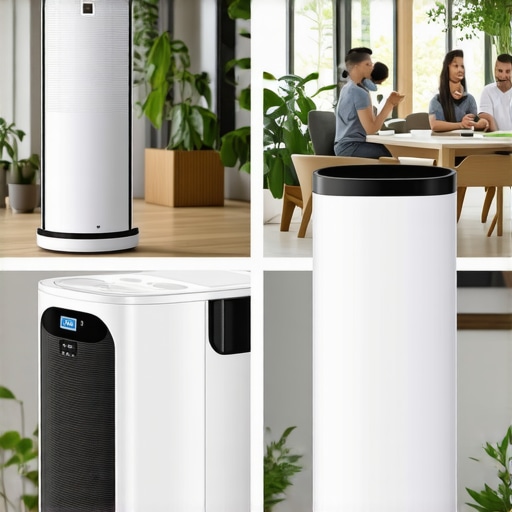
While a wall furnace installation might be fine for a small cabin, it offers zero in the way of filtration. For a 2026 home, we look at the house as a complete organism. We look at the relay services that trigger the fan, the static pressure across the media, and the ‘beer can cold’ temperature of the suction line to ensure everything is balanced. If you’re struggling with local hotspots or sneezing the second the heat kicks on, your system is failing the airflow test. We often recommend furnace repair myths debunked to explain that ‘more airflow’ doesn’t mean a bigger blower; it means smarter airflow. Using HEPA in a bypass configuration allows the system to clean the air without putting a ‘noose’ around the neck of the blower motor. This protects your investment and your lungs. For those with specialized needs, like mini split troubleshooting, you know that those small internal filters are a joke—they catch boulders, not dust. A whole-home HEPA approach is the only way to truly remediate 2026’s environmental challenges.
Look, I’ve seen it all. I’ve seen ‘sales techs’ try to sell a whole new $20,000 system when the real problem was just a collapsed return duct sucking in dust from a crawl space. Don’t be that mark. Focus on the physics. Proper duct design services, a high-quality HEPA system, and a variable speed furnace will do more for your health than any ‘magic’ UV light or ionizer. If you want it done right, you have to respect the airflow. And if you aren’t sure where to start, you can always contact us to get a straight answer from someone who actually knows what pookie is for. Your 2026 allergy problems aren’t going away, but your HVAC system can either be part of the problem or the total solution. Choose the physics of HEPA, keep your coils clean, and for heaven’s sake, stop buying those $2 filters at the grocery store.