The Thermodynamics of Survival: Why 2026 Changes Everything
Listen, if you think a heat pump is just a glorified air conditioner that runs backward, you’re living in 1995. My old mentor, a guy who could smell a burnt contactor from the driveway and had knuckles permanently scarred by sharp ductwork, used to scream at me, ‘You can’t cool what you can’t touch, and you can’t heat what you don’t understand!’ He was talking about the fundamental physics of heat transfer, and boy, was he right about the coming 2026 shift. We are currently staring down the barrel of the A2L refrigerant transition, where the old ‘gas’ we used for decades is being phased out for more climate-friendly, ‘mildly flammable’ alternatives. For those of us in the North, where the polar vortex likes to park itself over our rooftops, this isn’t just a regulatory headache; it’s a total transformation of how we keep our families from freezing when the mercury hits the basement.
“The most expensive equipment in the world cannot overcome a bad duct system.” – Industry Axiom
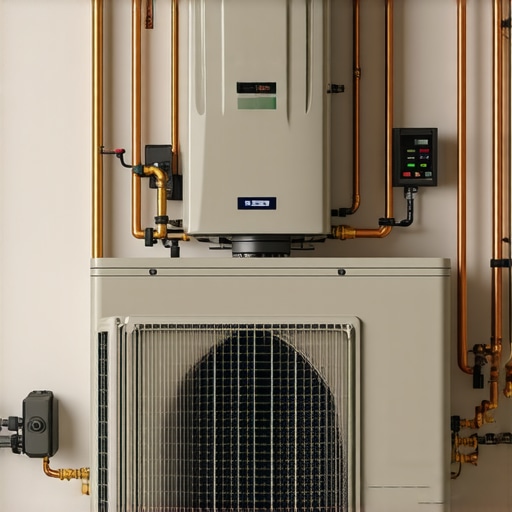
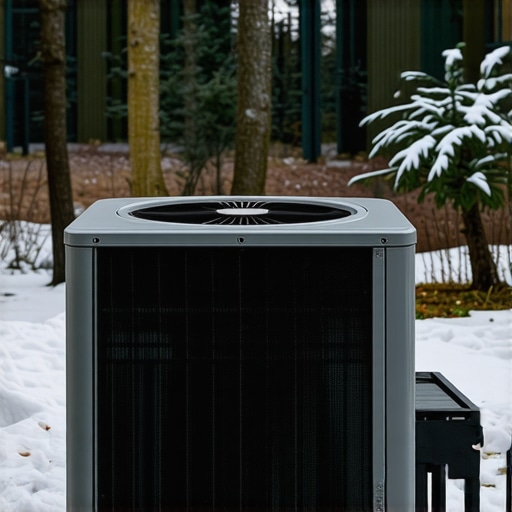
The 2026 winter cold isn’t going to be conquered by the oversized, clunky furnaces of the past. We are moving into the era of the hyper-heat heat pump. In the old days, a heat pump was useless once it hit 30°F. It would just sit there and frost up, forcing your expensive electric heat strips to kick in and drain your bank account. But the new tech? It uses flash-injection and inverter-driven compressors to maintain 100% heating capacity even when it’s -15°F outside. It’s about thermodynamics, not just raw power. [IMAGE_PLACEHOLDER] When we talk about high-efficiency furnace installation or transitioning to these hybrid systems, we are looking at vapor-injection cycles that squeeze every last BTU out of the ambient air. Even in sub-zero temps, there is heat to be found; you just need a machine smart enough to grab it.
The Physics of the Flash Injection Cycle
To understand why these units beat the cold, you have to understand latent heat. In the North, the enemy is the defrost cycle and the loss of pressure. When the suction line isn’t getting enough ‘juice,’ the system struggles. Hyper-heat systems solve this by bypassing a portion of the refrigerant directly back into the compressor. This prevents the compressor from overheating while allowing it to run at higher speeds. This is critical for multi-family heating upgrades where you can’t afford a single point of failure for twenty tenants. If you’re still relying on an ancient boiler, you’re missing out on the COP (Coefficient of Performance) that these new systems offer. We are talking about getting 3 to 4 units of heat for every 1 unit of electricity. That beats a 95% AFUE gas furnace any day of the week.
The Reality of Maintenance: Beyond the ‘Sales Tech’ Pitch
I despise ‘Sales Techs.’ You know the type—they show up for a simple furnace tune-up services call and spend forty minutes trying to sell you a gold-plated thermostat instead of checking the limit switch replacement needs or looking for a refrigerant leak detection issue. The truth is, the complexity of 2026-compliant systems means maintenance is more important than ever. You can’t just slap a 1-inch pleated filter in and forget it. A restricted return air drop is the silent killer of an inverter compressor. Proper furnace filter replacement isn’t just about dust; it’s about maintaining the static pressure that keeps the ‘Tin Knockers” hard work from being wasted. If the air can’t move, the heat can’t move. It’s that simple.
“Design heating and cooling loads shall be determined in accordance with ASHRAE Standard 183.” – ASHRAE Standards
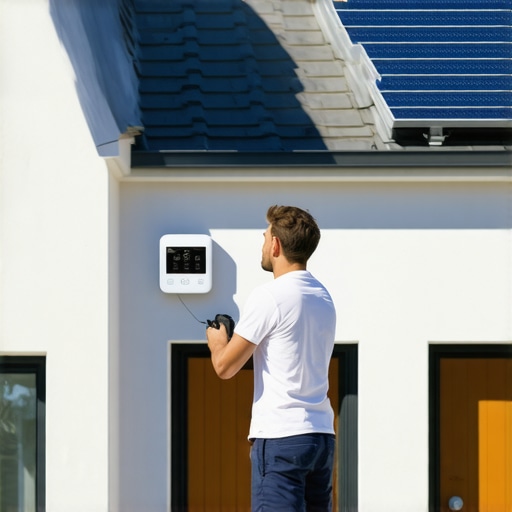
If you’re worried about indoor air quality alongside efficiency, UV light installation for HVAC has become a standard requirement in my book, especially with tighter home envelopes. We’re also seeing a huge rise in remote thermostat access integration. Being able to see that your spa heater services or your main home heat pump is failing before you even get home from work is a lifesaver in a Chicago or Northeast winter. We’ve even been integrating fireplace insert services into total home comfort plans to provide that secondary heat source during extreme grid strain. It’s all about layers of protection.
The Regulatory Cliff: R-454B and the A2L Era
By 2026, the equipment we install will look very different. The sensors required for the new refrigerants mean we’ll be looking at more electronics and more precision. If you have a slow leak now, you need to address it. Check out this ultimate guide to heat pump maintenance and repairs to see how the old units compare to what’s coming. Don’t fall for the furnace repair myths debunked by guys who just want to sell you a new box. Sometimes, a high-efficiency system is the answer, but often, it’s about fixing the ‘Pookie’ (mastic) on your ductwork and ensuring your static pressure isn’t through the roof. If you need a pro who knows the difference between a real repair and a sales pitch, you should contact us before the next freeze. For more technical deep dives, our hvac repair secrets can help you stay ahead of the curve. And if you’re running a ductless setup, don’t ignore the mini split troubleshooting steps that can save you a $300 service call. Comfort isn’t magic; it’s physics. And in 2026, the physics are getting a lot more interesting. “