The 2026 Regulatory Cliff and the Death of R-410A
If you have been listening to the chatter in the supply houses lately, you know the HVAC industry is about to hit a brick wall. We are staring down the barrel of the 2025-2026 transition where R-410A—the ‘gas’ or juice we have used for decades—is being phased out for A2L refrigerants like R-454B and R-32. These new systems aren’t just a simple swap; they require leak sensors, redesigned coils, and specialized training for every sparky and tech who touches them. This regulatory shift is driving equipment costs through the roof, making many homeowners ask if a dual fuel heat pump system is a smart hedge against rising energy prices or just another expensive headache.
The Sales Tech Trap: A Story from the Front Lines
Last February, during a brutal cold snap that had every 24/7 heating emergency response line lit up like a Christmas tree, I followed a ‘Sales Tech’ out to a job in the suburbs. The guy had quoted a homeowner $24,000 for a full geothermal heat pump system, claiming her existing gas furnace was ‘dead and dangerous.’ When I pulled the service door off that furnace, I didn’t see a cracked heat exchanger. I saw a dirty 16x25x1 filter and a tripped limit switch replacement that took me ten minutes to diagnose. He wasn’t looking at the physics; he was looking at his commission check. That $20 part saved her twenty grand, but it also highlighted a growing problem: people are being pushed into ‘green’ tech without understanding the thermodynamic reality of their specific home. Airflow is king, and if your ductwork is trash, it doesn’t matter if you spend $30,000 on a 25-SEER2 system; you will still be uncomfortable.
Thermodynamics 101: Why Dual Fuel Makes Sense in the North
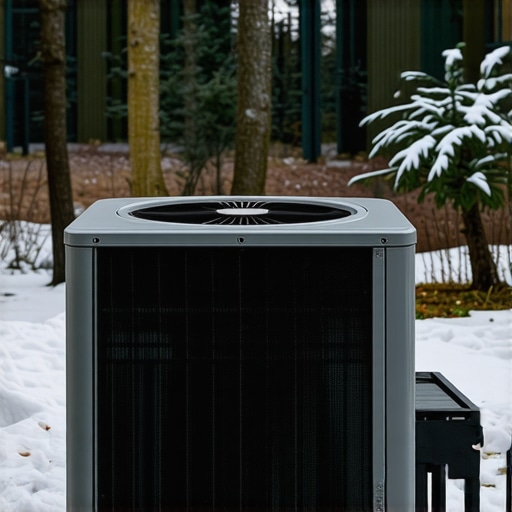
In colder climates, a standard air-source heat pump eventually hits its ‘balance point.’ This is the outdoor temperature where the heat pump can no longer extract enough latent heat from the freezing air to overcome the home’s heat loss. When that happens, most older systems kick on ’emergency heat’—which is just expensive electric toaster coils. A dual fuel system, or ‘hybrid’ setup, replaces those toaster coils with a high-efficiency gas furnace.
“The most expensive equipment in the world cannot overcome a bad duct system.” – Industry Axiom
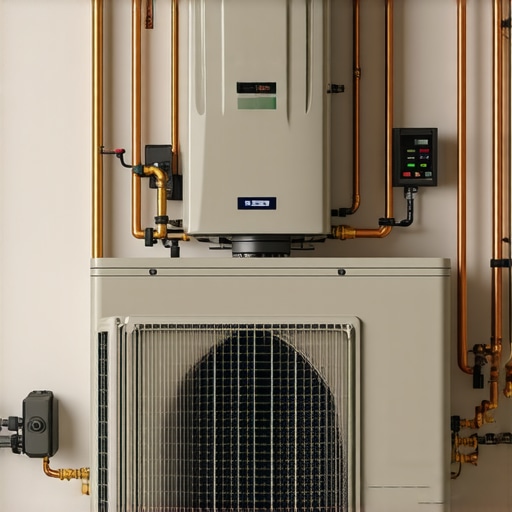
When the mercury drops below 30°F, the system logic flips the script. It shuts down the heat pump and fires up the gas furnace. This is where gas line installation for furnaces becomes a critical part of the upgrade path. You get the efficiency of electricity during the mild months and the raw, scorching BTUs of gas when the polar vortex hits. It’s about sensible heat versus the struggle of a heat pump in a defrost cycle.
The A2L Transition: Why 2026 Costs Are Skyrocketing
The new A2L refrigerants are classified as ‘mildly flammable.’ To satisfy the safety bureaucrats, manufacturers have to install mitigation boards and sensors inside the indoor coil cabinet. If a leak is detected, the sensor has to be able to shut down the compressor and engage the blower to dilute the gas. This adds layers of complexity to HVAC repair and increases the physical size of the equipment. If you are planning an upgrade, doing it before the full 2026 mandates might save you 15-20% in equipment costs alone. However, you also have to weigh this against the tax credits provided by the Inflation Reduction Act, which heavily favors these hybrid systems.
The Hidden Importance of Static Pressure and Ductwork
Every time I see a tin knocker slapping together a return air drop with nothing but silver tape, I cringe. Tape fails. If you want a dual fuel system to actually perform, you need duct cleaning services followed by a serious application of ‘pookie’ (mastic) to every joint. High-efficiency variable-speed blowers are sensitive to static pressure. If your ducts are undersized—which they usually are—the motor will ramp up to high RPMs to compensate, eventually burning itself out and leading to a premature HVAC repair.
“Equipment capacity and efficiency ratings are based on a laboratory environment with a duct system that rarely exists in the real world.” – Manual D Philosophy
Is Geothermal a Better Bet?
While we are talking about 2026 costs, geothermal heat pump systems are often brought up as the ‘ultimate’ solution. While they are incredible for efficiency because they use the constant 55°F temp of the earth, the upfront cost is astronomical. You’re looking at drilling rigs in your front yard and a massive footprint. For most residential retrofits, the dual fuel path is the pragmatic middle ground. It utilizes existing infrastructure while giving you a foot in both the electric and fossil fuel worlds.
The Infrastructure Audit: Thermostats and Gas Lines
Upgrading to dual fuel isn’t just about the boxes outside. You likely need thermostat wiring upgrades. Your old four-wire bundle won’t cut it when you need to control a heat pump, a gas furnace, and potentially dehumidification services. You need a ‘C-wire’ for constant power and extra conductors to handle the changeover valve. Furthermore, if you’re moving from a wood burning stove installation or an old oil boiler, the gas line installation for furnaces must be sized correctly. If the pipe is too small, the furnace will starve for fuel, causing the burners to pulse and eventually damaging the gas valve.
The Verdict on 2026 Upgrades
Is it worth the cost? If your current system is over 12 years old and using R-22, you are living on borrowed time. The cost of ‘juice’ for those old units is liquid gold now. Transitioning to a dual fuel system in the next 18 months allows you to bypass the most chaotic part of the A2L transition while securing a system that can handle the humidity of summer and the bone-chilling dry air of winter. Just make sure you aren’t being sold a ‘unit’ by a salesman. Demand a tech who understands furnace repair myths and can explain the delta-T across your evaporator coil. Don’t let them ignore the limit switch replacement or the gas furnace repair options just to pad a quote. Comfort is a matter of physics, and physics doesn’t care about a sales brochure.