
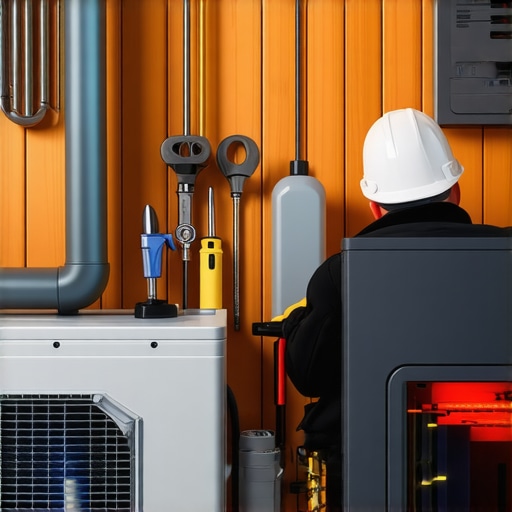
It was a chilly December evening when I realized my heat pump had suddenly stopped working. The house was turning freezing, and I had that sinking feeling—I’d overlooked some crucial maintenance tips, and now I was paying the price. You know that moment when your home’s comfort is at stake, and you feel utterly helpless? That’s exactly where I found myself, and I knew I couldn’t let it happen again.
Over the years, I’ve learned that many homeowners face the same frustration—unexpected breakdowns, skyrocketing repair costs, or worse, a total system failure during the coldest days. But there’s hope. With a few simple, proven tips, you can keep your heat pumps and furnaces running smoothly, ensuring your home stays warm and cozy no matter what winter throws at you. Today, I’m going to share my personal experience and guide you through the best repair and maintenance strategies that truly make a difference.
Why Proper Maintenance of Your Heating System Matters More Than Ever
Your heating system is the backbone of your home’s comfort during cold months. Yet, many overlook essential upkeep until an emergency strikes—like what I endured. Skipping routine inspections and small repairs can lead to costly fixes down the line. Did you know that according to HVAC experts, regular maintenance can increase your system’s lifespan by up to 40%? That’s huge! Properly maintained systems not only perform better but also operate more efficiently, saving you money on energy bills.
So, how do you prevent heater breakdowns and ensure lasting performance? That’s what I’ll help you with today. We’ll dive into specific tips that have worked wonders for me, backed by trusted advice from industry professionals, to keep your home warm and safe.
Is DIY Maintenance Worth the Risk or Should You Call a Pro?
Early on, I made the mistake of trying to fix my furnace myself without proper knowledge or tools. It was risky, and I almost caused more damage. Now, I know that while some basic tasks like changing filters are manageable, complex repairs are best left to professionals. If you’re unsure, you might want to check out [mini-split troubleshooting tips](https://chillyprohvac.com/mini-split-troubleshooting-when-and-how-to-call-a-pro) or consider scheduling a comprehensive inspection with experts who can diagnose issues early. Remember, trusting seasoned technicians can save you money and headaches in the long run. For reliable repair options, you can explore [trusted heating repair services](https://chillyprohvac.com/trust-our-experts-for-reliable-heat-pump-furnace-repairs-today).
Now that we’ve touched on why maintenance and professional help are essential, let’s move forward and explore the most effective strategies that will keep your HVAC system running efficiently and reliably. Stay with me, because the next steps could be the difference between warm comfort and a cold disaster.
Start with Safety and Preparation
Before jumping into repairs, turn off your system at the breaker to avoid electrical hazards. Gather essential tools: screwdrivers, pliers, a multimeter, and replacement filters or parts. I once tried fixing my mini-split without proper safety gear, which led to a minor shock; now, I always switch off power and wear insulated gloves for protection. Proper preparation ensures safety and saves time during the repair process.
Inspect and Clean Your System Thoroughly
Remove access panels and visually inspect components for dust, debris, or signs of wear. Use a vacuum or compressed air to clear dust from coils, filters, and vents. I scheduled a cleaning session for my heat pump last fall, which involved removing the filters and coils. The result was improved airflow and efficiency, plus my unit ran quieter—a simple step with big benefits.
Replace or Clean Air Filters Regularly
Clogged filters restrict airflow, making your system work harder and increasing energy costs. I once neglected filter replacement, which caused my furnace to overheat and shut down frequently. Changing filters is quick—just remove the old, install a new one. Doing this monthly during peak seasons keeps your system running smoothly and extends its lifespan. For more detailed guidance, visit this comprehensive maintenance guide.
Diagnose and Troubleshoot Common Issues
If your system isn’t heating properly, first check the thermostat settings. Sometimes, it’s as simple as a dead battery or incorrect mode selection. For more complex issues like ice buildup or strange noises, take action cautiously. In my experience, ice on the coils means low refrigerant or dirty filters—both fixable with proper steps. When in doubt, consult professional troubleshooting tips to avoid accidental damage.
Test Electrical Connections and Components
Use a multimeter to verify voltage and continuity on electrical parts. I once replaced a faulty capacitor after testing, which restored my heat pump’s function quickly. Make sure to follow safety procedures when working with live wires, and never guess—testing ensures you address the right issue. If electrical troubleshooting feels daunting, consider calling an expert to prevent hazards.
Check Refrigerant Levels and Ductwork
Low refrigerant causes poor heating and increased energy bills. If your system has a leak, professional repair is necessary—don’t try refilling refrigerant yourself due to environmental regulations. Additionally, inspect ducts for leaks or obstructions; sealing leaks with mastic tape improves efficiency. Once, I sealed a loose duct connection, resulting in warmer rooms and lower utility costs. For detailed mini-split troubleshooting or HVAC repair secrets, visit this resource.
Schedule Regular Professional Maintenance
While many tasks are manageable, seasonal checkups by HVAC professionals ensure your system is in top shape. This includes thorough inspections, refrigerant charging, and system calibration. I schedule my annual service before winter, which uncovers small issues before they escalate. Routine maintenance boosts system longevity and energy efficiency—saving money in the long run.
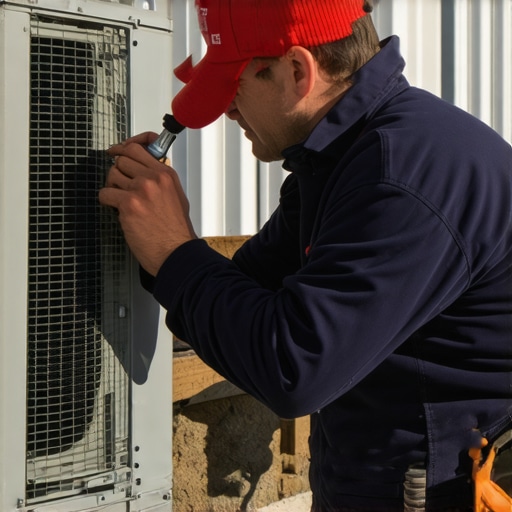 Many homeowners operate under misconceptions about heat pumps, mini-splits, and furnaces, which can lead to costly mistakes and prolonged downtime. One common myth is that all repairs are DIY-friendly; however, many advanced issues, such as refrigerant leaks or electrical failures, require professional expertise to prevent damage or safety hazards. Rushing to fix these without proper knowledge often worsens the problem, emphasizing the importance of consulting certified technicians—more on this at this comprehensive guide. Another misconception is that annual maintenance alone guarantees optimal performance, but neglecting seasonal inspections, especially before peak usage periods, can cause overlooked issues to escalate, as discussed in furnace repair myths. Advanced problems often disguise themselves, and homeowners might misinterpret symptoms—such as strange noises or inconsistent heating—as minor inconveniences instead of signs of deeper faults. Be alert to anomalies, and consider professional diagnostics for unresolved issues. Have you ever fallen into this trap? Let me know in the comments. For seasoned insights into troubleshooting more complex HVAC challenges, visit this in-depth resource. One nuance many overlook is the importance of understanding refrigerant levels and flow dynamics. Improper handling or assumptions about refrigerant refill procedures can lead to system inefficiencies or legal issues, as environmental regulations restrict DIY refrigerant work—refer to these expert tips for more. Similarly, mini-split systems often receive less attention, yet improper drainage or refrigerant mismanagement significantly reduce lifespan. Training yourself with proper knowledge prevents these pitfalls; however, when in doubt, calling professionals ensures the job gets done right, avoiding the expensive trap of repeated repairs. Remember, investing in quality repair and maintenance, backed by experience, ultimately saves you money and keeps your home comfortable year-round.
Gear Up for Long-Term Reliability
Maintaining your heat pump, mini-split, or furnace isn’t just about cleaning filters or scheduling repairs; it requires the right tools and methods to ensure longevity. I personally rely on a high-quality digital multimeter, like the Fluke 117, because it provides precise voltage and continuity readings, which are crucial when troubleshooting electrical faults. I’ve also found infrared thermometers invaluable for quickly checking coil temperatures and diagnosing potential issues without dismantling systems. Moreover, a sturdy set of insulated screwdrivers helps me access panels safely and efficiently.
Furthermore, I use a vacuum pump and refrigerant leak detector when handling refrigerant lines—these are essential for mini-split and heat pump maintenance, helping me identify leaks early, which saves money and prevents environmental harm. For those who prefer a more comprehensive approach, investing in a professional-grade HVAC manifold gauge set allows for accurate refrigerant charging, ensuring optimal system performance.
In recent years, I’ve integrated smartphone apps like HVAC-R Monitor, which connects via Bluetooth to measure system parameters, record diagnostic data, and monitor system performance over time. These digital tools provide real-time insights and help predict failures before they happen, aligning with industry trends toward smart, connected HVAC systems.
Looking ahead, the integration of IoT (Internet of Things) devices in HVAC systems promises even smarter maintenance. These sensors alert homeowners and technicians about potential issues in advance, enabling proactive care rather than reactive repairs. According to a recent report from HVAC Tech, systems equipped with IoT sensors can reduce repair costs by up to 30% over five years.
How do I maintain my system over time? I schedule seasonal inspections with certified technicians and use diagnostic tools to track system behavior, ensuring everything operates efficiently. Don’t overlook the power of a good maintenance plan combined with the right equipment—it’s your best defense against unexpected breakdowns. Try calibrating your refrigerant levels with an HVAC-specific manifold gauge set; it’s a skill that pays off in improved efficiency. For more detailed guidance, visit this comprehensive maintenance guide and start empowering your maintenance routine today.
The Hidden Pitfalls I Wish I Avoided Earlier
One of the most valuable lessons I learned was never to underestimate the power of regular inspections. Waiting until my system broke down taught me to appreciate proactive maintenance, which saves time and money. I also realized that trusting professionals for complex issues isn’t a sign of weakness but smart management. Finally, understanding my system’s specific needs—like refrigerant levels or duct sealing—made a huge difference in performance and longevity.
Tools and Resources That Elevate Your HVAC Game
Equipping myself with a reliable digital multimeter allowed me to diagnose electrical problems accurately, avoiding unnecessary guesswork. Reading trusted books like Effective HVAC Repair Techniques opened my eyes to best practices I hadn’t considered. Additionally, subscribing to hub sites such as the ultimate HVAC maintenance guide provided ongoing tips that keep my system performing at its best. These resources have empowered me to handle many issues confidently and efficiently.
Keep the Warmth Alive: Your Next Step Starts Now
Remember, your home’s comfort depends on the care you invest today. Taking small steps—regular filter changes, scheduled professional checkups, and staying informed—can prevent costly surprises tomorrow. Don’t let complacency be your downfall. Embrace the knowledge and tools available, and keep your heat pump, furnace, or mini-split running smoothly all year round. Your future self will thank you for making the effort now.
What’s the biggest HVAC challenge you’ve faced, and how did you overcome it? Share your stories below—I’d love to hear your experiences!

Reading this post really resonated with my own experience last winter when my furnace suddenly stopped working during a cold snap. I learned the hard way that regular maintenance, especially checking filters and duct seals, can prevent so many issues before they escalate. I’ve started scheduling annual professional inspections and doing simpler checks myself, like cleaning filters and inspecting the outdoor units. It’s incredible how much efficiency and longevity those small steps add to your system, plus peace of mind during harsh weather. I wonder if others have used smart tools or IoT devices to monitor their HVAC systems—has anyone found them helpful for early detection of problems? It sounds like the future of home maintenance. Also, I’d love to hear tips on managing refrigerant issues, as I’ve read that refrigerant leaks are a common culprit in system failures. Maintaining efficiency seems like a never-ending process, but it’s worth it to stay warm and avoid emergency repairs. Any advice on balancing DIY checks with professional servicing would be appreciated! Thanks for sharing such practical insights.