My Journey into Heat Pump & Mini-Split Repairs: A Personal Perspective
Last summer, I faced an unexpected challenge when my heat pump suddenly stopped working during a heatwave. As a homeowner passionate about efficient and reliable systems, I knew that proper repair and maintenance were crucial. Sharing my experience might help others navigate these systems better, especially as we step into 2024 with new technology and insights.
Understanding the Heart of Your HVAC System
Before diving into repairs, I realized the importance of understanding how heat pumps and mini-splits work. These systems are marvels of modern HVAC technology, offering both heating and cooling with high efficiency. According to industry experts, regular maintenance can extend their lifespan and optimize performance. I found that keeping filters clean, checking for refrigerant leaks, and ensuring proper airflow are key steps in maintaining lasting comfort.
My Top Tips for Effective Repairs and Maintenance
First, I always start with the basics—clean filters and clear vents. When problems persist, I consult trusted resources like the ultimate guide to heat pump maintenance. This resource helped me identify common issues such as thermostat glitches or compressor problems. I learned that addressing minor issues early prevents costly repairs later and keeps the system running smoothly.
What’s the Secret to Long-Lasting Comfort?
Consistency in maintenance and timely repairs are my personal secrets. But I also discovered that professional help is invaluable. When I faced a refrigerant leak, I called a certified technician from trusted sources, which ensured a reliable fix. I recommend scheduling annual inspections—think of it as a health check-up for your HVAC. For more complex problems, I found troubleshooting guides like mini-split troubleshooting tips immensely helpful.
How Do I Know When It’s Time to Call a Professional?
Great question! Sometimes, system errors or strange noises indicate underlying issues that require expert intervention. If your mini-split or heat pump isn’t cooling or heating as it should, or if you notice frequent cycling, it’s time to seek professional help. Remember, attempting complex repairs without proper knowledge can cause more harm than good. Trusted technicians can diagnose problems accurately and ensure lasting solutions.
If you’re curious about how to choose the right repair service, I suggest exploring trusted providers like trusted repair experts.
In conclusion, whether you’re a seasoned homeowner or new to HVAC systems, understanding the basics and knowing when to call in professionals is vital for lasting comfort. I invite you to share your experiences or ask questions in the comments—let’s learn from each other’s journeys in maintaining efficient heat pumps and mini-splits!
Deciphering Signs of Imminent HVAC System Failures
Understanding the subtle signals your mini-split or heat pump sends can save you from costly repairs and discomfort. Unusual noises, inconsistent temperatures, or increased energy bills often point to underlying issues that require expert evaluation. For instance, if your system starts making banging or hissing sounds, it could indicate refrigerant leaks or compressor problems—issues that should be addressed promptly by a trusted technician.
Why DIY Repairs Should Be Approached with Caution
While basic maintenance like filter replacement can be a DIY task, complex repairs—such as refrigerant recharging or electrical component replacement—are best left to professionals. Attempting these without proper training not only risks further damage but also voids warranties. According to industry experts, consulting qualified HVAC technicians ensures safety and long-term system reliability. For common troubleshooting tips, check out mini-split troubleshooting guides.
Expert Evaluation: The Key to Longevity and Efficiency
Regular inspections by certified specialists can uncover issues before they escalate. An annual professional tune-up includes checking refrigerant levels, inspecting electrical connections, and testing system controls—crucial steps to maintain peak performance. For comprehensive maintenance strategies, visit heat pump maintenance tips. These proactive measures not only extend equipment lifespan but also optimize energy efficiency, leading to significant cost savings over time.
How Do I Find the Right HVAC Repair Partner?
Choosing a reputable service provider involves researching credentials, customer reviews, and service guarantees. Trusted companies like trusted repair experts prioritize transparency, skill, and long-term results. A qualified technician will conduct a thorough diagnosis, provide clear explanations, and recommend effective solutions tailored to your system’s needs.
Creative Question for Experts: How Can Homeowners Better Detect the Early Signs of HVAC System Degradation?
Early detection of HVAC issues often hinges on keen observation and understanding system behavior. Experts suggest keeping detailed records of system performance, energy consumption, and any unusual sounds or smells. Using smart thermostats and monitoring tools can also provide real-time data to identify inefficiencies before failures occur. Have you considered leveraging technological advancements to stay ahead of potential HVAC problems? For more insights on diagnostics, explore furnace and HVAC efficiency tips.
If you’re interested in learning more about reliable repair approaches or need assistance, don’t hesitate to contact our team. Sharing your experiences or questions in the comments can also help build a community of informed homeowners dedicated to lasting comfort.
Embracing Complexity: The Hidden Layers of HVAC Maintenance
During my journey with heat pump repairs, I quickly learned that each system has its unique quirks—what works for one might not work for another. For example, I encountered a mini-split system that exhibited intermittent freezing, which initially baffled me. After consulting detailed resources like the ultimate guide to heat pump maintenance, I discovered that uneven airflow and insufficient defrost cycles could cause such issues. This experience deepened my appreciation for understanding the intricate balance of system components and how minor deviations can have significant impacts.
Nuances of Diagnosing HVAC Failures: Beyond the Surface
One of the more sophisticated aspects I uncovered is the importance of observing subtle signals—like slight vibrations or faint odors—that often precede major failures. For instance, a faint burnt smell in my system prompted me to investigate further. Using a combination of my own observations and advanced troubleshooting guides, I learned that these symptoms could indicate electrical wiring issues or worn-out compressor parts. Recognizing these signs early can prevent catastrophic breakdowns, a lesson I wish I had internalized sooner. According to industry insights, deploying smart diagnostic tools can assist homeowners in early detection, saving both money and discomfort.
What Are the Limitations of DIY Repairs, and When Should I Step Back?
Initially, I was eager to handle everything myself, but I soon realized that some repairs require a level of expertise that goes beyond basic DIY skills. For instance, recharging refrigerant involves handling pressurized gases and precise measurements—tasks that are risky and often void warranties if not done correctly. I found that consulting certified technicians not only ensures safety but also provides peace of mind, knowing the repair adheres to industry standards. For complex issues, I recommend exploring trusted sources on HVAC repair secrets to understand when professional intervention is essential.
How Can Homeowners Cultivate a More Proactive Approach to System Longevity?
From my experience, regular professional evaluations are key. Scheduling annual inspections allows technicians to catch wear and tear early—much like a health check-up. But I also believe that homeowners can play a more active role by maintaining detailed records of system performance, keeping an eye on energy bills, and noting any unusual behaviors. Using advanced monitoring tools, such as smart thermostats, can provide real-time data that helps identify inefficiencies before they escalate. This proactive mindset, rooted in continuous learning and vigilance, can make all the difference in extending the lifespan of HVAC systems.
Are There Advanced Technologies That Make Diagnostics Easier for Homeowners?
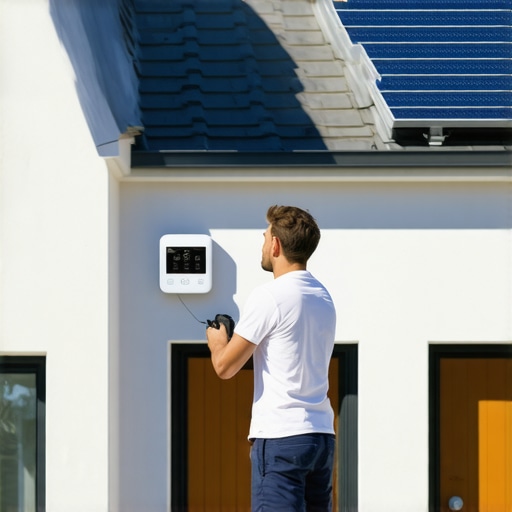
Absolutely. The integration of IoT and smart sensors has revolutionized HVAC diagnostics. Devices that monitor refrigerant levels, airflow, and electrical activity can send alerts directly to your phone, enabling swift action. For example, I recently installed a smart system that tracks system health and provides maintenance reminders—a game-changer in early detection. Embracing these technologies not only simplifies troubleshooting but also empowers homeowners to make informed decisions. If you’re interested in exploring further, I recommend checking out furnace and HVAC efficiency tips to understand how modern tech can enhance your system’s longevity.
Sharing your own experiences or questions about HVAC maintenance can be incredibly valuable—feel free to comment below or reach out through our contact page. Learning from each other’s journeys helps build a community committed to lasting comfort and efficiency.
The Critical Role of System Diagnostics Beyond Basic Maintenance
While routine checks such as filter replacement and coil cleaning are foundational, understanding the deeper diagnostics of your heat pump or mini-split system elevates your maintenance game. Advanced diagnostics involve analyzing refrigerant charge levels, electrical wiring integrity, and compressor health using specialized tools. For example, deploying infrared thermography can reveal inefficiencies in heat exchange, preempting costly failures. Industry experts emphasize that integrating these diagnostics into annual check-ups can dramatically enhance system longevity and efficiency.
Leveraging Technology: Smart Monitoring for Predictive Maintenance
In recent years, smart HVAC monitoring devices have transformed proactive maintenance. These sensors continuously track system parameters—such as airflow, vibration, and refrigerant pressure—and send real-time alerts to your smartphone. I personally adopted a smart system that integrates with my thermostat, providing early warnings of potential issues like compressor strain or refrigerant leaks. According to a detailed report by HVAC repair secrets, this approach significantly reduces breakdowns and extends equipment lifespan, making it a worthwhile investment for homeowners seeking long-term reliability.
Deciphering Complex System Failures: When to Trust the Experts
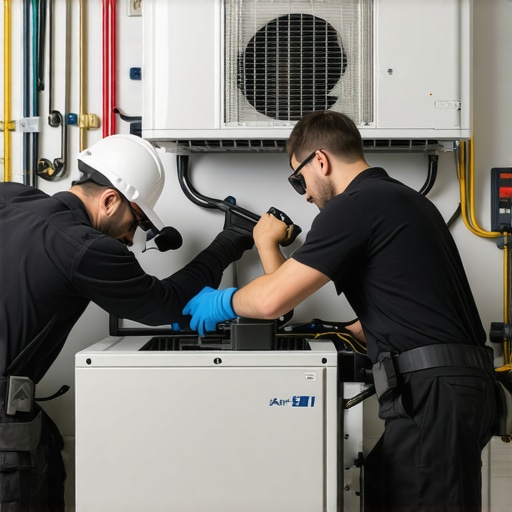
Despite technological advancements, some failures demand a seasoned technician’s expertise. For instance, diagnosing intermittent refrigerant leaks or electrical wiring anomalies often requires sophisticated equipment and experience. I recall encountering a recurring compressor failure—initially misdiagnosed as a simple part replacement. A certified technician identified an insidious electrical short that was causing system overloads. This experience underscored the importance of trusting qualified professionals for complex diagnostics. For comprehensive insights, I recommend exploring trusted repair experts who utilize cutting-edge diagnostic tools.
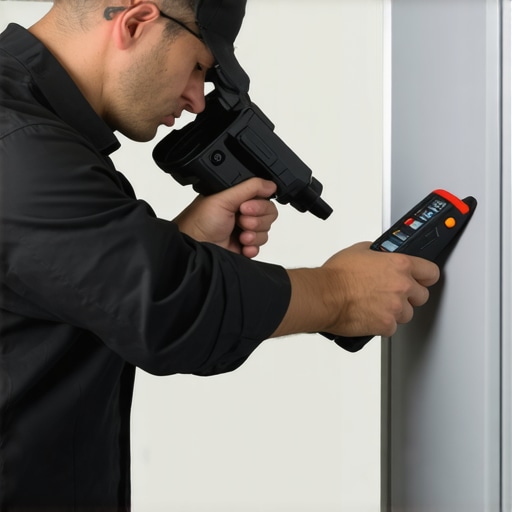
Using advanced diagnostic tools like infrared thermography can uncover hidden inefficiencies, preventing catastrophic failures and optimizing system performance.
Embracing Continuous Education to Stay Ahead of HVAC Challenges
As systems evolve with new technology, staying informed about the latest repair techniques and diagnostic methods is crucial. I regularly read industry journals and participate in webinars to deepen my understanding. This proactive approach allows me to identify potential issues early, saving time and money. For homeowners, engaging with online resources like reliable repair results can foster confidence and independence in managing their HVAC systems.
Join the Conversation: Share Your Advanced HVAC Insights
If you’ve adopted innovative diagnostic techniques or smart monitoring solutions, I encourage you to share your experiences. Together, we can build a community of informed homeowners who prioritize system longevity and optimal performance. For tailored advice or professional evaluations, don’t hesitate to reach out to our team. Let’s work together to ensure your HVAC system remains a reliable source of comfort in 2024 and beyond.
Things I Wish I Knew Earlier (or You Might Find Surprising)
1. Small Issues Can Signal Bigger Problems
Early in my repair experience, I learned that strange noises or minor inefficiencies often hint at more serious underlying issues. Paying attention to these subtle signals saved me from costly breakdowns later on.
2. DIY Can Be Both Empowering and Risky
While simple tasks like filter replacement are manageable, attempting complex repairs without proper training can cause more harm than good. Knowing when to call a professional is key for long-term system health.
3. Regular Maintenance Extends System Life
Scheduling annual inspections and routine check-ups with certified technicians proved to be a game-changer. It kept my heat pump running smoothly and prevented unexpected failures.
4. Technology Is Your Friend
Smart monitoring devices and diagnostic tools now offer real-time insights into system health. Investing in these technologies helps catch issues early and ensures lasting comfort.
5. Understanding Your System Deeply Matters
Learning how heat pumps and mini-splits work gave me confidence in troubleshooting and communicating with technicians. It’s empowering to know what’s happening behind the scenes of my home’s comfort system.
Resources I’ve Come to Trust Over Time
- ChillyPro HVAC Maintenance Guides: Their comprehensive tips on heat pump care helped me understand essential maintenance routines. I recommend this site to anyone wanting reliable advice.
- Industry Expert Articles: Reading detailed industry reports and troubleshooting guides expanded my knowledge and made me more confident in managing repairs.
- Smart Home Monitoring Tools: I’ve relied on IoT devices for real-time diagnostics. They’re a valuable resource for proactive system management.
Parting Thoughts from My Perspective
Reflecting on my journey, I realize that understanding and maintaining my heat pump has been both a learning curve and a rewarding experience. Embracing the complexity of HVAC systems and leveraging trusted resources has made a noticeable difference in my comfort and peace of mind. If you’re navigating similar challenges, remember that patience, ongoing education, and professional help when needed are your best allies. If this resonated with you, I’d love to hear your thoughts—feel free to drop a comment or share your own experiences in the comments section. Together, we can build a community dedicated to lasting comfort and smart HVAC management in 2024 and beyond.