I remember the cold snap last winter vividly. My furnace sputtered and died during the worst night of the year. I was frantically trying to fix it myself, only to realize I didn’t fully understand how my heat pump actually worked. That moment was a lightbulb for me: relying solely on traditional systems without understanding their quirks can turn a cozy home into a freezing nightmare. If you’ve ever faced a sudden system failure or just struggle to keep your home comfortably warm or cool, you’re not alone. Today, I want to share how you can avoid those stressful moments by mastering effective heat pump and mini-split solutions, so your home stays perfect year-round without the panic.
Why Your Home Deserves Better Than Just a Basic HVAC System
Most homeowners think that once their furnace or air conditioner is installed, their job is done. But the truth is, modern heat pumps and mini-splits offer so much more flexibility, efficiency, and savings, if you know how to use them right. Over the years, I’ve learned that many common HVAC issues stem from simple mistakes—like ignoring regular maintenance or choosing the wrong system for your home’s size and layout. Trust me, a little knowledge goes a long way in avoiding costly repairs and discomfort. For example, I once overlooked the importance of seasonal tune-ups, which led to my system running inefficiently and costing more in energy bills. Now, I swear by routine maintenance and understanding system capabilities. For a comprehensive guide on keeping your system in top shape, check out this ultimate maintenance guide.
Is Investing in a Mini-Split Worth It for Your Home?
This is the biggest hesitation I encounter from homeowners. Many assume mini-splits are only for small spaces or special installations. But I’ve seen firsthand how they can transform entire homes—offering efficient, zone-specific comfort that traditional systems just can’t match. My initial mistake was underestimating their potential. I thought they were a gimmick or only a backup option, but after installing a few in different areas of my house, I realized how much control and savings they bring. They’re especially great for older homes or add-ons where ductwork isn’t feasible. If you’re skeptical, I encourage you to look into trusted sources like reliable mini-split repair tips. You might be surprised how these systems can be a game-changer.
Are you tired of uneven temperatures or skyrocketing energy bills? Have you faced the frustration of a system breakdown just when you needed it most? If so, you’re in the right place. Next, I’ll guide you through the practical steps to optimize your heat pump or mini-split system, ensuring you get the most comfort and efficiency all year long. Let’s dive into the solutions that have worked for me—and can work for you too.
Start with a Proper System Assessment
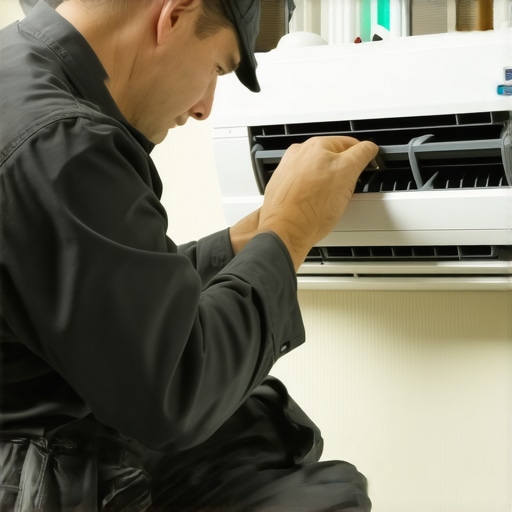
Before diving into repairs or upgrades, evaluate your current heat pump or mini-split system. Check for obvious issues like strange noises, inconsistent temperatures, or error codes. I once noticed my mini-split blowing cold air in the summer and realized a simple filter clog was the culprit. Clean or replace filters regularly—this is the first step in maintaining efficiency and avoiding costly breakdowns. For a detailed overview, visit this comprehensive maintenance guide.
Master Basic Troubleshooting Techniques
Understanding how to troubleshoot common problems can save you time and money. Think of your system like a car—if it won’t start, you check the battery first. For HVAC, start with power supply, thermostat settings, and air filter condition. If your system isn’t heating or cooling properly, ensure the thermostat is set correctly and that the air filter isn’t dirty. For more complex issues, refer to mini-split troubleshooting tips. I once fixed a mini-split’s wiring connection myself, which restored full function without calling a technician.
Perform Routine Maintenance to Boost Efficiency
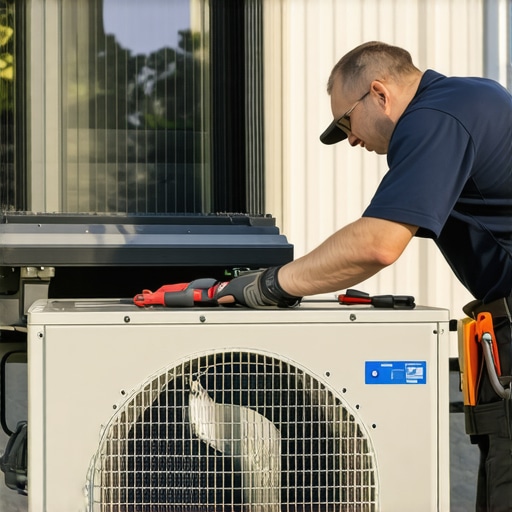
Regular maintenance is the backbone of system longevity. Schedule seasonal inspections and cleanings, especially before peak heating or cooling seasons. Replace filters every 1-3 months, and clean evaporator and condenser coils. During one winter, I cleaned my heat pump’s outdoor unit, which significantly improved its efficiency. For expert advice, check out this HVAC efficiency tips. Remember, a well-maintained system reduces energy bills and extends lifespan.
Upgrade Components When Necessary
If your system is outdated or struggling, consider upgrading key components like the thermostat or adding zone controls. Modern thermostats can optimize your system’s performance through smart scheduling. I installed a smart thermostat that learns my schedule, saving me hundreds annually. For more on upgrades, see this upgrade guide. Sometimes, replacing an old compressor or fan motor is the best way to restore efficiency without buying a whole new system.
Know When to Call a Professional
Some issues require expert intervention. If troubleshooting doesn’t resolve the problem, or if you encounter refrigerant leaks, strange noises, or error codes, it’s time to call a pro. I once attempted a repair myself that led to a refrigerant leak—costly mistake. Use this troubleshooting guide to determine when professional help is needed. Experienced technicians can diagnose complex issues quickly and ensure your system is safe and reliable.
Many homeowners enter the world of furnace, heat pump, or mini-split repairs with a lot of misconceptions that can lead to costly mistakes. Let’s dig deeper into some of these hidden pitfalls and clarify what truly matters when maintaining or repairing your HVAC system.
Why Most People Oversimplify HVAC Troubleshooting
A common myth is that HVAC systems are straightforward and easy to diagnose. While basic issues like dirty filters are simple to spot, more complex problems—such as refrigerant leaks or electrical control failures—require professional expertise. Believing you can fix everything yourself often leads to exacerbating issues or safety hazards. For example, attempting to recharge refrigerant without proper tools can damage the system and violate environmental regulations. Reliable repair experts emphasize that understanding the nuances of refrigerant handling and electrical diagnostics is crucial for safe, lasting repairs. For more insights, check out this guide on HVAC repair secrets.
Common Myths About Mini-Splits and Heat Pumps
Many believe mini-splits are only suitable for small spaces or as temporary solutions. In reality, modern mini-splits can efficiently heat and cool entire homes, especially when zoned properly. A mistake I see often is underestimating their capacity or ignoring proper sizing. Oversized units can cycle frequently, reducing efficiency and lifespan, while undersized ones won’t meet comfort needs. Proper sizing and professional installation are critical. Trustworthy sources highlight that when correctly installed, mini-splits can outperform traditional systems in energy savings and comfort. For detailed sizing advice, explore this sizing and installation guide.
What Advanced Homeowners Need to Know About System Efficiency
Many think that routine maintenance is enough to keep their HVAC systems running efficiently. However, advanced issues like refrigerant charge imbalances or inverter drive malfunctions can silently diminish performance. These problems require specialized diagnostic tools and expertise. Ignoring subtle signs—such as slight temperature fluctuations or increased energy bills—can lead to bigger failures. Experts recommend annual professional inspections that include refrigerant level checks, electrical testing, and system calibration to optimize performance. Studies, including one by the Department of Energy, confirm that advanced diagnostics and regular professional tune-ups significantly extend system lifespan and efficiency. For expert tips on maintaining peak performance, see this comprehensive maintenance guide.
Have you ever fallen into this trap? Let me know in the comments. Remember, understanding these nuances helps you make smarter decisions and avoid costly repairs down the line.
Keeping your furnace, heat pump, or mini-split system running smoothly over the years requires the right tools and a proactive maintenance routine. Personally, I rely on a few specific pieces of equipment that give me confidence in diagnosing and addressing common issues before they become costly repairs. One of my go-to tools is a digital multimeter, which I use to check electrical components like capacitors and relays. Having a reliable multimeter, such as the Fluke 117, allows me to quickly identify faulty wiring or control board issues, saving time and money. Additionally, a refrigerant pressure gauge set is invaluable for diagnosing cooling problems or refrigerant leaks, which are common culprits in mini-split and heat pump failures. I prefer the Yellow Jacket 62020 Set because of its durability and accuracy, making it my first choice for DIY diagnostics.
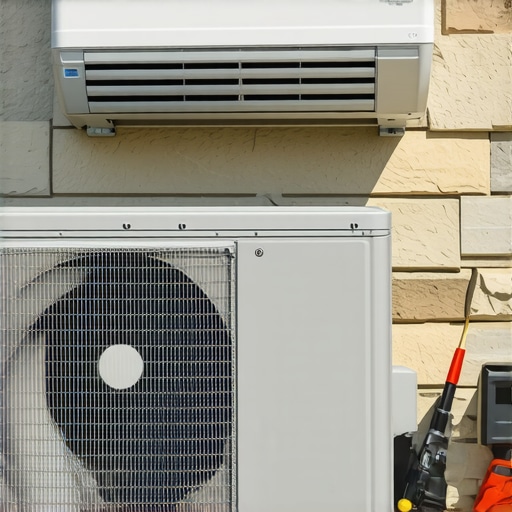
Regularly cleaning and replacing filters is a simple yet effective maintenance step, but I also recommend investing in a coil cleaning brush and a garden hose with a spray nozzle for outdoor units. Keeping coils free of dirt and debris improves airflow and efficiency, extending the system’s lifespan. For more advanced maintenance, I use a vacuum pump to evacuate and recharge refrigerant lines during minor repairs, but I always follow safety guidelines and environmental regulations, as detailed in technical manuals like those from the EPA.
Looking ahead, I predict that diagnostic tools will become even smarter, integrating IoT sensors and AI-driven diagnostics to detect issues early and schedule maintenance automatically. This evolution will make HVAC systems more reliable and less prone to unexpected breakdowns.
How do I maintain my heating and cooling systems over time?
Consistent maintenance is key. Schedule professional inspections at least once a year, ideally before peak seasons, to catch issues like refrigerant imbalances or electrical wear. Use diagnostic tools to monitor system performance and address small problems before they escalate. Keep detailed records of maintenance activities and system performance metrics to identify patterns that might indicate upcoming failures. Additionally, staying updated with manufacturer recommendations and technical manuals ensures you’re aware of the latest best practices.
Don’t forget to stay connected with trusted service providers, such as those listed on this resource, for expert assistance when needed. Regular check-ups and the right tools are your best defense against costly repairs and inefficiencies. Start incorporating these advanced tips today, like using a refrigerant manifold gauge set, to keep your HVAC systems in top shape for years to come.
The Hardest Lesson I Learned About HVAC Repairs
One of my biggest realizations was how overlooking simple maintenance tasks, like cleaning filters or inspecting outdoor coils, could lead to significant system failures. I once ignored regular upkeep and faced a costly breakdown during the coldest week of winter. That taught me that proactive care is far more effective than reactive repairs, saving money and stress in the long run.
Why Choosing the Right Tools Changed Everything
Investing in quality diagnostic tools, such as a digital multimeter and refrigerant pressure gauge, transformed my ability to troubleshoot issues confidently. These tools helped me identify electrical faults and refrigerant leaks early, avoiding unnecessary service calls. Trusted brands like Fluke and Yellow Jacket give me peace of mind, ensuring accurate readings and safe repairs.
The Myth That Mini-Splits Are Just for Small Spaces
I used to think mini-splits were only for supplementary heating or cooling. After installing several in different rooms, I realized their true potential for whole-home zoning and energy savings. Proper sizing and professional installation are key, but when done right, mini-splits outperform traditional systems in comfort and efficiency—something I wish I’d known sooner.
Curated Resources for HVAC Enthusiasts
For in-depth maintenance strategies, I rely on the comprehensive heat pump maintenance guide. When troubleshooting mini-splits, professional troubleshooting tips are invaluable. Additionally, trusted service providers listed on this site help me ensure my system stays in top shape, avoiding costly surprises.
Embrace the Future of HVAC Care
Taking control of your HVAC system through knowledge and the right tools is empowering. Don’t wait for a breakdown—start small, stay consistent, and seek professional advice when needed. Your home’s comfort and your wallet will thank you, and you’ll enjoy peace of mind knowing you’re better prepared for any season. How have you managed HVAC repairs or mini-split upgrades in your home? Share your experiences below!