
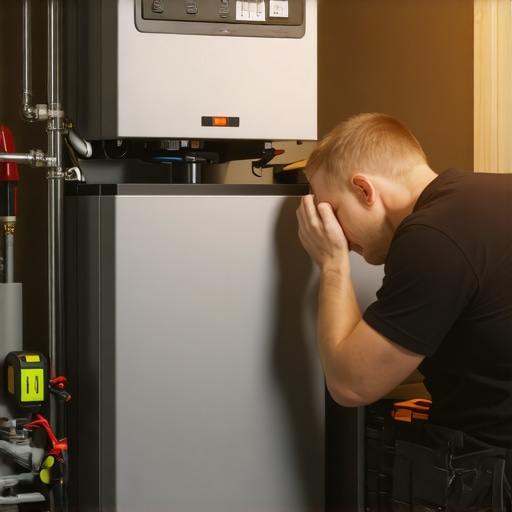
I’ll never forget the chilly evening when my old furnace decided to give out just as temperatures plummeted. The sudden loss of warmth was more than a discomfort — it was a reminder of how vulnerable we are to our heating systems, especially when proper maintenance is overlooked. That night, wrapped in a blanket and contemplating my next move, I realized how crucial it is to understand the ins and outs of furnace care. If you’ve ever been caught off guard by a chilly home or a malfunctioning heat pump, you’re not alone. Many homeowners face similar struggles, often unaware that simple, expert tips can prevent these cold surprises.
Why Staying Ahead of Furnace and Heat Pump Problems Matters
Ensuring your heating system runs smoothly isn’t just about avoiding a cold house; it’s about saving money and extending the lifespan of your equipment. According to the U.S. Department of Energy, regular maintenance can improve your system’s efficiency by up to 30%, which translates into lower energy bills and reduced environmental impact. But more than that, it’s about peace of mind — knowing that when winter’s chill arrives, you’re prepared.
Over the years, I’ve learned that the most common mistake homeowners make is neglecting routine check-ups, thinking repairs can always wait. That was my mistake early on — ignoring minor signs of trouble like unusual noises or uneven heating. Instead of preventing big issues, I was often caught in a scramble when system failures hit during the coldest days. Interested in avoiding that stress? Keep reading for time-tested tips that will help your furnace and heat pump stay reliable all season long. And if you’re curious about troubleshooting mini-split systems, check out this helpful guide.
Is Regular Maintenance Worth the Effort and Cost?
Many homeowners wonder if those routine tune-ups are necessary or just an added expense. In my experience, the answer is a resounding yes. Skipping inspections might seem to save money temporarily, but it often leads to costly repairs down the line. Learning from my early mistakes, I now schedule annual check-ups with trusted professionals who can identify small issues before they turn into big problems. For more insights into common myths about furnace care, visit this article.
By investing a little time and effort now, you can keep your home cozy and your heating system humming efficiently. Ready to dive into the practical steps that will make your heating system more dependable? Let’s get started — your comfort and wallet will thank you for it!
,
Inspect Your Filters and Vents Regularly
Think of your furnace and heat pump as the lungs of your home; clean filters are like fresh air, enabling smooth operation. During my first winter as a homeowner, I neglected to change the filters, which caused my system to strain and freeze up. Now, I set a monthly reminder to check and replace filters, especially before peak usage. Remove the filter and hold it up to light—if it’s blocked or dark, replace it immediately. Clear vents ensure consistent airflow, which prevents overheating or inefficiency. Regular checks prevent dust buildup that could impede system performance.
Clean and Clear the Area Around the Unit
Clutter around your outdoor heat pump or furnace can restrict airflow, similar to a person trying to breathe with a heavy coat—difficult and inefficient. I once stored gardening tools right next to my heat pump, which caused it to overheat during a hot day. To avoid this, I clear a 2-3 foot radius around the unit, removing leaves, debris, and any obstructions. This simple step maximizes airflow and system longevity. Remember, a well-ventilated unit cools itself better and works more efficiently, saving you energy and money.
Lubricate Moving Parts to Minimize Friction
Like a bike chain needs oil, the moving parts within your HVAC system require lubrication. I once heard a loud squeal every time my furnace started, which was traced back to dry bearings. Applying a few drops of manufacturer-approved lubricant to motors and fans reduces friction and prevents premature failure. Consult your owner’s manual or call a professional for guidance on lubrication points. Regular lubrication keeps the system humming smoothly, cutting down on wear and tear.
Test Safety Controls and Thermostats
Safety controls are your system’s guardian angels—if they fail, the results can be dangerous. I tested my system’s safety switch by turning the thermostat to maximum and pressing the reset button, confirming it trips as intended. Also, I calibrated my thermostat annually to match the actual room temperature using a reliable thermometer. This ensures your system activates at precise settings, reducing energy waste. Improperly functioning safety controls can lead to overheating or fire hazards, so testing them twice a year is crucial.
Schedule Professional Maintenance and Repairs
While routine checks help catch issues early, some repairs require expert hands. I once attempted to fix a refrigerant leak in my heat pump after reading online guides, which actually worsened the problem. That’s when I contacted a professional—turns out, handling refrigerants is hazardous without proper training. Professionals have specialized tools, like leak detectors and refrigerant gauges, to diagnose and fix problems safely. Annual tune-ups include checking refrigerant levels, inspecting electrical connections, and verifying system efficiency. For deep insights into maintaining your heat pump or furnace, visit this comprehensive guide.
Monitor System Performance and Listen for Anomalies
Stay alert to unusual noises, inconsistent heating, or increased energy bills. Once, I noticed my furnace making rattling sounds; upon inspection, I found loose duct connectors. Prompt attention prevented more serious issues and prolonged system life. Use your senses—listen, feel the airflow, and track your energy use—to catch early signs of trouble. A mini-split system, for example, might produce a hissing sound when low on refrigerant, indicating the need for professional intervention, which you can learn more about at this resource.
Leverage Expert Resources for Troubleshooting
When minor fixes aren’t enough, don’t hesitate to seek professional help. I used a troubleshooting flowchart from this detailed guide to determine when a mini-split needed a technician, saving time and avoiding costly mistakes. Knowing the right questions to ask or the right signs to watch for helps you coordinate efficiently with repair experts, ensuring your system is restored quickly and reliably.
Keep Records of Maintenance and Repairs
Track your system’s history to anticipate future needs. I keep a dedicated notebook noting filter changes, repairs, and professional visits. This history helps identify recurring issues and makes diagnostics faster. Plus, some manufacturers offer warranty extensions or discounts when they see consistent maintenance, which is worth considering for long-term savings.
While many believe they understand how their heat pumps and furnaces operate, there’s a common misconception that oversimplifies these complex systems. For instance, a widespread myth is that changing filters infrequently won’t impact system longevity. In reality, neglecting regular filter replacements can cause unnecessary strain on your equipment, leading to early failures and reduced efficiency. Advanced homeowners know that the type of filter matters too; opting for cheaper, low-quality filters can compromise airflow and trap dust, exacerbating wear on components. Additionally, many assume that all HVAC repair techniques are interchangeable, but this isn’t true—mini-splits, for example, require different handling compared to traditional units, and improper servicing can worsen issues rather than resolve them.
Another nuance is the overlooked significance of proper refrigerant levels in heat pumps. Low refrigerant is a silent culprit behind reduced heating capacity and increased energy bills, yet many homeowners only call professionals after noticeable problems arise. Regularly scheduled maintenance, including refrigerant checks, can prevent these issues and prolong system life; experts recommend an annual review, as outlined in this detailed guide.
Let’s address a common trap: believing that system noise is solely normal wear and tear. While some sounds are expected, unfamiliar noises like banging or hissing often signal underlying problems that can escalate if ignored. Identifying these early, with a keen ear, can save you from costly repairs. Proper troubleshooting isn’t just about fixing what’s broken; it’s about understanding the system’s subtle signals. For instance, an inconsistent temperature might be due to improper thermostat calibration or duct issues—these require nuanced diagnosis rather than generic fixes.
In the case of mini-split systems, many users don’t realize that regular cleaning of air filters and internal coils isn’t optional—it’s essential for efficiency. Ignoring this maintenance can lead to refrigerant leaks or compressor failure. If issues persist, consulting comprehensive resources like trusted repair solutions ensures you’re not missing critical steps.
One advanced aspect often overlooked is the importance of system zoning and airflow management. Many homeowners neglect to evaluate whether their ductwork or air distribution aligns with their heating needs, causing hotspots or cold zones. This is especially relevant for larger homes or those with multi-zone mini-split installations, where incorrect zoning can compromise comfort and efficiency.
Let’s not forget that costly mistakes can occur if parts are replaced without understanding system specifications. A DIY fix might seem economical initially but can inadvertently damage delicate components. Always verify compatibility—consulting with experts can prevent this: find trusted professionals at this contact page.
Finally, staying vigilant about your system’s performance—listening for abnormal sounds or noticing unexpected energy bills—can reveal issues early. Remember, preventive maintenance based on a nuanced understanding of your HVAC system’s nuances outweighs short-term savings from neglect.
Having awareness of these hidden details can drastically improve your system’s longevity and performance. Do you know of other overlooked nuances? Share your experiences below!
How do I maintain my heat pump and furnace over time?
Maintaining your heating systems isn’t just about quick fixes; it’s about implementing the right tools and routines to ensure longevity and efficiency. One of my go-to tools is an infrared camera, which I personally use to detect hidden heat losses around ductwork or insulation gaps. This allows me to pinpoint issues that aren’t visible to the naked eye, saving time and preventing small problems from becoming costly repairs. Additionally, I rely on digital manifold gauges for refrigerant pressure checks, particularly in mini-split systems. These gauges give precise readings, enabling me to assess the health of the system without guesswork.
Moreover, incorporating service management software like ServiceTitan or HausTrend helps me schedule routine inspections, track maintenance history, and set reminders for filter replacements. Automation via these tools ensures that nothing falls through the cracks, especially during peak seasons when HVAC systems are under increased demand. They also facilitate communication with professionals if a more complex issue arises, streamlining the repair process.
In terms of long-term results, investing in high-quality filters, such as MERV 13 rated, improves indoor air quality and reduces strain on your equipment. Regularly inspecting and cleaning condensate drains prevents water damage and mold growth. To future-proof your system, consider adding smart thermostats—like Nest or Ecobee—that analyze your usage patterns, optimize energy consumption, and alert you to potential problems before failures occur. These smart devices are revolutionizing HVAC maintenance, providing a proactive approach rather than reactive fixes.
What future trends will transform HVAC maintenance and repair?
Advances in IoT and AI-driven diagnostics are set to revolutionize how we manage HVAC systems. Imagine systems that self-diagnose issues, alert you remotely, and even schedule repairs automatically with trusted technicians. As these technologies develop, I’d recommend embracing smart sensors and maintenance apps that sync with your system. For example, integrating sensors that monitor airflow and filter health in real-time can alert you to deficiencies long before system performance drops. Regularly updating firmware and software ensures compatibility with evolving technologies, keeping your systems efficient and reliable.
If you’re eager to take your HVAC maintenance to the next level, try installing a smart system monitor or sensor to gain real-time insights into your equipment. This small investment can save significant money and stress down the line. For more in-depth tips on optimizing your system, explore trusted professional strategies.
What I Wish I Knew Before My First HVAC Fix
One of the most eye-opening lessons I learned is that not all systems are created equal. My initial attempt at DIY repairs often led to more problems, especially when I overlooked manufacturer guidelines. It took a few costly mistakes before I realized that knowledge, combined with expert advice, makes all the difference. Now, I make it a point to dig deeper into system specifications and trusted resources like the ultimate guide to maintain my heat pump effectively.
Why Routine Checks Are My Secret Weapon
I discovered that scheduling regular inspections not only prevents unexpected breakdowns but also reveals small issues before they escalate. For example, simple things like cleaning filters and testing safety controls have saved me from emergency repairs. These habits, though seemingly minor, have made my HVAC systems more reliable and energy-efficient. Trust me — consistent care pays off far more than reactive fixes.
High-Tech Tools That Changed My Approach
Embracing gadgets like refrigerant pressure gauges and thermal cameras was a game-changer. These tools helped me identify hidden problems—like refrigerant leaks—that aren’t obvious at first glance. Integrating technology into my maintenance routine empowered me to catch issues early and understand my system better. For homeowners eager to optimize their HVAC care, exploring such tools and resources can deliver impressive results, as discussed in this trusted resource.
Curated Recommendations for HVAC Success
My go-to reference materials include:
- Trusted industry guides: I rely heavily on furnace myths debunked to avoid common pitfalls.
- Professional tools: Investing in quality filters, smart thermostats, and diagnostic gadgets has made my maintenance more effective.
- Reliable service providers: Building a relationship with reputable technicians from local professionals provides peace of mind for complex repairs.
- Online communities and forums: Engaging with experienced homeowners offers practical tips and reassurance.
Prepare for Your HVAC Journey—You’re Not Alone
Taking charge of your furnace and heat pump care is empowering. Remember, mastering these systems isn’t about perfection but progress. Every small step you take—whether it’s replacing filters or scheduling annual tune-ups—builds toward dependable comfort and longevity. If you’ve ever hesitated to ask for help or felt overwhelmed by technical jargon, just know that resources like this guide and dedicated professionals are here to support your success. Now is the time to act—your home’s comfort depends on it!
Reading through this post reminded me of the importance of proactive HVAC maintenance, especially before the coldest months arrive. I used to overlook regular filter changes and vent inspections because I thought they were minor tasks. However, after a couple of chilly mornings waking up to a non-working furnace, I realized that neglecting these simple upkeep steps often leads to bigger issues. I now schedule quarterly inspections, including cleaning around the outdoor unit and checking safety controls. My biggest takeaway is how small preventive habits can save significant repair costs and keep the home warm and cozy.
One challenge I face is managing maintenance schedules during busy times. I’ve started using a smart thermostat with maintenance alerts, which has been helpful. Do others here use similar smart tech or apps to stay on top of HVAC upkeep? I’d be interested to hear about what tools or methods you find most effective in preventing unexpected breakdowns. Every bit of advice helps when it comes to ensuring reliable comfort during winter.