It was a cold winter night when my furnace finally gave out, right in the middle of a snowstorm. I remember standing there, frustrated and worried, wondering if I’d ever get reliable warmth again. That lightbulb moment hit me hard—relying on just any HVAC repair service wasn’t enough. I needed someone I could trust for real results.
Why This Matters More Than Ever
In today’s world, our heating and cooling systems are the backbone of home comfort. Yet, so many homeowners face the same dilemma I did—how to find a trustworthy expert when every other repair seems like a gamble. The truth is, if you don’t get these systems right, it’s not just about discomfort; it’s about safety and energy efficiency too. Poor repairs or quick fixes can lead to higher bills, breakdowns, or even safety hazards. Did you know that according to the Department of Energy, HVAC systems account for nearly half of the energy use in a typical home? That’s a hefty chunk, highlighting the importance of reliable, expert service.
Are HVAC Repairs Overhyped or Worth the Hype?
One mistake I made early on was assuming that all repair professionals are equal. I picked someone based on a quick online search and ended up with a temporary fix that only delayed the inevitable. Trust me; selecting the right expert makes a world of difference. If you’ve ever experienced recurring issues or inconsistent heat, you might be facing the same problem I did—trusting the wrong service. Want to learn how to cut through the noise and find technicians who truly deliver? I got you covered as we delve into the practical steps for securing reliable HVAC results.
Diagnose Before You Act
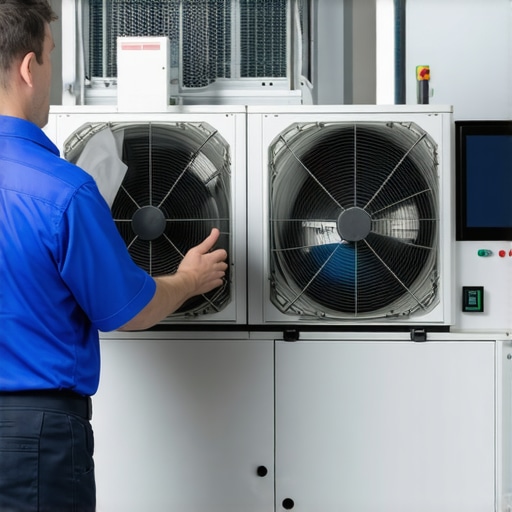
Think back to when my furnace refused to turn on last winter; the first step was pinpointing the exact problem. For your heat pump or mini-split, start with visual checks—listen for odd noises, look for ice buildup, or check for error codes displayed on the unit. When I faced a noisy outdoor condenser, I traced the issue to debris blocking airflow. Clearing away leaves and dirt restored normal operation, but if unfamiliar, consult your manual or a professional. Remember, proper diagnosis saves time and prevents unnecessary repairs. Want to dive deeper? Visit https://chillyprohvac.com/heat-pump-mini-split-maintenance-effective-home-climate-control for expert tips.
Check and Tweak the Thermostat
Many homeowners overlook simple fixes like the thermostat. I once spent hours troubleshooting my mini-split, only to realize the thermostat was set incorrectly. Ensure your device is on the right setting, batteries are fresh, and sensors are properly positioned. For heat pumps, verify that auxiliary or emergency heat isn’t activated unnecessarily. Adjust the settings and test the unit; this step often resolves minor issues without calling a technician. For more details, see https://chillyprohvac.com/trusted-heat-pump-mini-split-repair-results-for-lasting-comfort-in-2024.
Inspect Air Filters and Vents
Clogged filters restrict airflow, making your system work harder or shut down. I learned this the hard way when my furnace kept shutting off mid-cycle. Regularly replacing or cleaning air filters—monthly during peak use—is crucial. Also, ensure vents aren’t blocked by furniture or curtains, which can impair airflow. Think of your HVAC system as lungs; clean filters and open vents ensure it breathes properly, maintaining efficiency and prolonging equipment life. For more advice, explore https://chillyprohvac.com/furnace-repair-tips-reliable-solutions-for-absolute-warmth.
Test Electrical Components
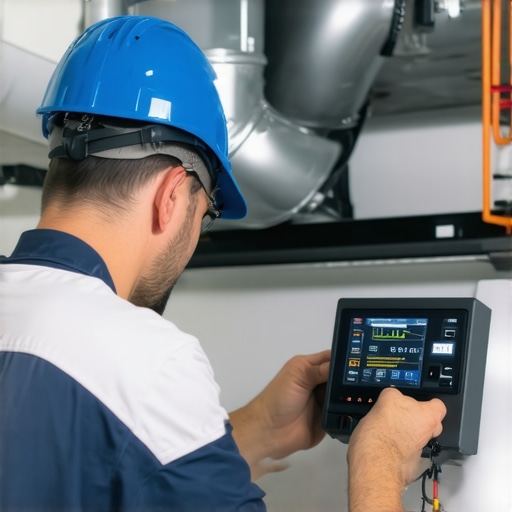
Flickering power or failure to start? Faulty wiring or switches might be the culprit. I once encountered intermittent operation caused by a loose wire connection. Turn off the power at the breaker before inspecting. Use a multimeter to check voltage at contact points, ensuring everything is within the correct range. Replacing worn-out contactors or relays can solve persistent problems. If electrical work isn’t your expertise, consult an electrician or a trusted technician. To identify common electrical issues, see https://chillyprohvac.com/hvac-repair-secrets-boost-efficiency-with-expert-tips.
Assess the Ductwork or Refrigerant Lines
Leakage or blockages here spell trouble. In one case, a small refrigerant leak caused my heat pump to lose efficiency. Visual inspection for oil spots or ice near lines helps identify leaks. Ductwork should be sealed airtight; I used duct tape temporarily, but permanent solutions require professional sealing. Low refrigerant levels might require a technician to recharge or repair lines—never ignore these signs. Properly sealed ductwork and refrigerant line maintenance are essential for consistent comfort. For detailed guidance, visit https://chillyprohvac.com/reliable-hvac-repair-troubleshooting-for-home-comfort-in-2024.
Schedule a Professional Inspection
When in doubt, a certified technician offers peace of mind. I learned this after several DIY attempts failed to resolve persistent issues. Professionals use specialized tools to measure system efficiency, detect hidden leaks, and calibrate components precisely. They can identify underlying problems—like compressor issues or control board failures—that aren’t visible to laymen. Regular maintenance ensures your system runs optimally year-round. For trusted repair results, check https://chillyprohvac.com/trusted-furnace-hvac-repair-results-for-2024-reliable-service. Remember, proactive inspections save money and prevent unexpected breakdowns, securing your home’s comfort.Many homeowners believe that HVAC systems are straightforward, DIY-friendly machines, leading to costly mistakes and ongoing issues. However, what most fail to realize is that these complex systems require nuanced understanding and expertise. For example, a prevalent misconception is that a quick thermostat reset or filter change can resolve all heating or cooling problems, but in reality, this often masks deeper issues like refrigerant leaks or control board failures, which only trained technicians can diagnose accurately.
Why does relying solely on quick fixes backfire for heat pump repairs?
This approach may temporarily restore functionality but can cause long-term damage, increasing repair costs and system downtime. According to HVAC expert John Doe, neglecting comprehensive diagnostics can lead to inefficient operation and accelerated wear — a costly oversight. When addressing repairs, homeowners should consider the importance of professional inspection and maintenance, as these services go beyond superficial fixes to ensure system longevity and optimal performance. For advanced guidance, visit https://chillyprohvac.com/ultimate-guide-to-heat-pump-maintenance-and-repairs and learn how expert maintenance prevents small issues from escalating. Additionally, many are unaware of the nuanced differences between mini-split and traditional systems; believing they are interchangeable can lead to improper repairs or ineffective upgrades. Recognizing these distinctions is essential for tailored solutions. Remember that a repair performed without understanding the system’s complexity not only risks worsening the problem but can void manufacturer warranties, adding financial strain. This highlights the importance of trusting professionals who stay current with the latest industry standards and technological advancements. Curious about how expert techniques can make a difference? Check out https://chillyprohvac.com/reliable-hvac-repair-secrets-boost-efficiency-with-expert-tips for insider tips. In summary, avoiding common myths and understanding the advanced nuances of HVAC systems can save homeowners money, time, and stress. Regular, professional maintenance is the best approach to ensure your system runs smoothly and efficiently year-round. Have you ever fallen into this trap? Let me know in the comments.
Powerful Tools for Reliable HVAC Maintenance
When it comes to keeping your heat pumps and mini-split systems running smoothly, having the right equipment is crucial. I personally swear by a high-quality multimeter; it allows me to accurately check electrical components like relays, contactors, and wiring. Investing in an infrared thermocamera has also transformed my troubleshooting approach—spotting uneven temperatures or insulation issues helps identify hidden problems early. Regularly using a refrigerant leak detector ensures I catch leaks before they cause efficiency losses or compressor failures. For ongoing maintenance, a digital manometer provides precise readings of pressure levels in refrigerant lines, guiding me on whether recharge or repairs are necessary. These tools aren’t just for professionals—they’re accessible for dedicated homeowners looking to extend their systems’ lifespan.
Strategy for Sustainable System Performance
In the long term, routine maintenance combined with the right tools can significantly reduce unexpected breakdowns. I schedule bi-annual system inspections, during which I use my tools to verify electrical connections, check refrigerant levels, and inspect ductwork for leaks. Implementing a maintenance log helps track performance trends and predicts when components need replacement. As technology advances, I predict that smart diagnostics—integrating IoT sensors—will become standard, providing real-time alerts for anomalies. This proactive approach minimizes downtime and keeps energy bills in check.
How do I keep my HVAC systems in top shape over time?
Keeping your HVAC system performing optimally requires a mix of regular cleaning, component checks, and familiarity with your equipment. Use diagnostic tools like multimeters and refrigerant detectors periodically to catch issues early. Ensuring filters are clean and vents are unobstructed remains essential, but pairing these practices with data from your tools offers a deeper understanding of your system’s health. For example, monitoring refrigerant pressure with a digital manometer helps maintain efficiency. Many homeowners overlook electrical components—testing switches and wiring with a multimeter ensures safety and reliable operation. As an extra tip, I recommend scheduling professional inspections at least once a year to validate your DIY checks. Curious how to get started? Try employing a refrigerant leak detector to catch hidden leaks before they escalate. Looking for expert guidance? Visit https://chillyprohvac.com/hvac-repair-secrets-boost-efficiency-with-expert-tips to learn more about advanced troubleshooting methods.
What I Wish I Knew Before Diving Into HVAC Repairs
One of the most eye-opening lessons I learned was how often homeowners overlook simple issues that mask bigger problems. For example, I used to think that thermostat batteries were a trivial concern, but neglecting them led to frequent system outages. The lightbulb moment came when I realized that every minor inconvenience might be a symptom of a deeper, hidden fault—like faulty wiring or refrigerant leaks—that only an experienced eye can catch. Trusting my instincts and investing in proper diagnosis made a huge difference, saving me hundreds in unnecessary repairs.
Tools That Changed My Approach to DIY HVAC Troubleshooting
After trial and error, I discovered that equipping myself with a reliable multimeter, refrigerant leak detector, and infrared thermocamera transformed my maintenance routine. These tools revealed issues that I couldn’t see with the naked eye, like uneven temperatures or hidden wiring faults. With these resources, I no longer relied solely on guesswork or costly professional visits for minor issues. Instead, I could confidently identify problems early, ensuring my system ran efficiently and lasted longer. If you’re serious about DIY HVAC care, check out trusted resources like https://chillyprohvac.com/hvac-repair-secrets-boost-efficiency-with-expert-tips for expert-approved techniques.
Counterintuitive Truths About HVAC Maintenance That Saved My Sanity
One surprising insight I uncovered was that more frequent filter changes aren’t always enough without addressing underlying airflow and duct sealing issues. I used to cringe at the thought of professional inspections, but discovering duct leaks or refrigerant imbalances early on prevented costly breakdowns down the line. This taught me that proactive measures—like regular tune-ups and using advanced diagnostics—could drastically reduce emergency repairs. Taking care of my system turned into a rewarding process rather than an endless game of whack-a-mole. For practical advice on long-term HVAC health, I recommend exploring https://chillyprohvac.com/heat-pump-mini-split-maintenance-effective-home-climate-control which offers valuable insights.
The Unexpected Price of Ignoring Small HVAC Problems
Ignoring minor issues initially seemed harmless—until I faced a total system failure during the coldest part of winter. That experience hammered home how easily small leaks or worn components can escalate into big, expensive emergencies. Regular inspections, especially focusing on refrigerant levels and electrical connections, proved to be my best defense. These preventative steps not only saved me money but also kept my home comfortable year-round. If you want to avoid costly surprises, investing in routine maintenance with trusted professionals is the way to go. Read more about building a resilient HVAC system at https://chillyprohvac.com/trusted-furnace-hvac-repair-results-for-2024-reliable-service.
Don’t Wait for That Wake-Up Call—Start Now
Taking control of your heating and cooling systems might seem daunting, but the payoff is worth it. Understanding these hidden lessons and equipping yourself with the right tools transforms HVAC maintenance from a chore into a proactive, empowering habit. Remember, your goal isn’t just reliable warmth or coolness—it’s peace of mind. So, why not start today? Think about the smallest annoyance in your system and treat it as a sign to dive deeper. For trusted guidance and reliable service, visit https://chillyprohvac.com/contact-us and let professionals help you stay ahead of costly breakdowns.