I remember the exact moment when my mini-split system decided to go on strike right in the middle of a scorching summer day. The cool air that once conditioned my home suddenly turned warm and unreliable, leaving me scrambling to troubleshoot. That’s a frustration many homeowners face, especially as these systems become more integral to our comfort. It was a lightbulb moment for me—realizing that keeping your heat pump or mini-split running smoothly isn’t just about calling in the pros when something breaks, but about ongoing maintenance that prevents issues before they start.
Why Staying Ahead with Maintenance Matters More Than Ever
In 2024, our HVAC systems are working harder than ever, thanks to rising energy costs and the push for eco-friendly, efficient solutions. Proper maintenance isn’t just a nice-to-have; it’s essential for ensuring your system performs at peak efficiency, saving you money and extending its lifespan. Believe it or not, according to the Department of Energy, regular upkeep can improve your system’s efficiency by up to 25%, which could mean significant savings on utility bills. Yet, many homeowners overlook this critical aspect, resulting in unexpected breakdowns and costly repairs.
Have you experienced the hassle of a sudden HVAC failure at the worst possible moment? If so, you’re not alone. Early mistakes—like neglecting filter changes or ignoring strange noises—can snowball into bigger problems down the line. I once ignored a slight buzzing sound from my heat pump, thinking it would go away. Instead, it worsened, leading to an emergency repair that could have been avoided with a little regular attention.
For reliable results, knowing when and how to perform basic maintenance or recognizing signs that need professional intervention is crucial. To navigate these waters confidently, consider consulting expert tips and free guides, like our comprehensive [Ultimate Guide to Heat Pump Maintenance and Repairs](https://chillyprohvac.com/ultimate-guide-to-heat-pump-maintenance-and-repairs). And if you’re unsure whether your system is still running optimally, don’t hesitate to [reach out to trusted professionals](https://chillyprohvac.com/contact-us). Together, we can keep your home cool, warm, and comfortable all year round, avoiding those costly surprises. Ready to take control of your HVAC health? Let’s explore simple, actionable steps to keep your mini-split and heat pump performing at their best.
Perform Regular Filter Changes for Peak Efficiency
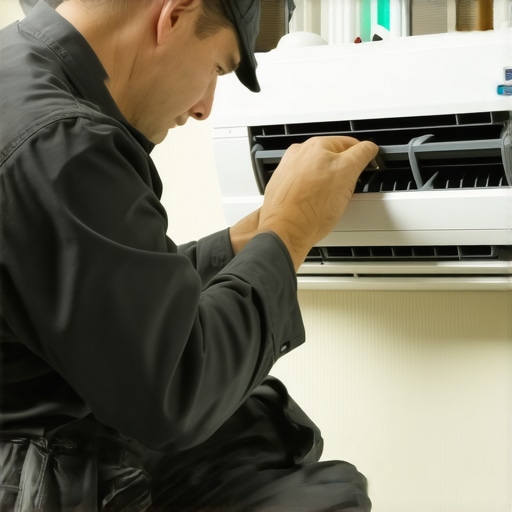
One of the simplest yet most overlooked maintenance steps is changing your system’s filters regularly. I remember a hot summer day when my mini-split’s airflow was noticeably weak. Upon inspection, I found a clogged filter, which was choking the air. I replaced it, and within hours, the system’s performance improved significantly. Set a reminder to check and replace filters every 1-3 months, especially during heavy usage seasons. This proactive step prevents dirt buildup, reduces strain on your unit, and keeps your air quality high.
Inspect and Clean Condenser and Airflow Skirts
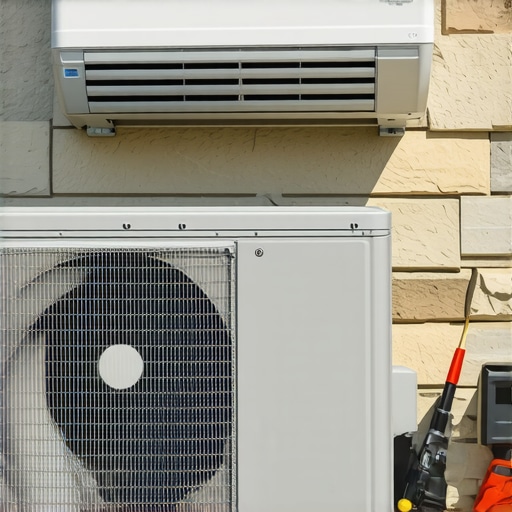
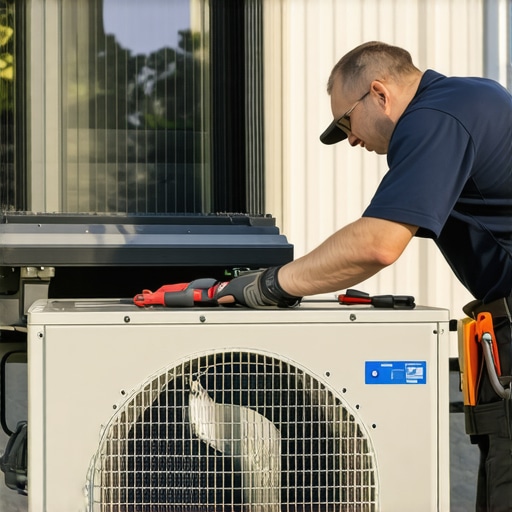
If you notice your heat pump or mini-split isn’t cooling or heating effectively, debris around the outdoor unit could be the culprit. Think of it as brushing off the dirt on a car’s radiator—you need to keep the external components free of leaves, dirt, and grass. I once cleared a mound of leaves from my outdoor unit and saw immediate improvements in airflow and system response. Turn off power, remove any debris, and gently wash the fins with a garden hose. Be cautious not to bend the fins, as this can impede airflow further.
Check and Clear Drain Lines to Prevent Water Leaks
Clogged drain lines can cause water leaks and damage your system. I experienced a minor water leak during a hot spell, which turned out to be a blocked condensate drain line. To fix this, I poured a mixture of vinegar and water into the line to clear out algae and debris. Regularly inspecting and flushing the drain line prevents backups and maintains proper humidity control. Use a wet/dry vacuum or a long brush to ensure unobstructed drainage and avoid expensive repairs later.
Monitor Thermostat Settings and Calibration
Your thermostat is the brain of your HVAC system. An inaccurate reading can cause unnecessary cycling, energy waste, or discomfort. I once set my thermostat to stay at 72°F, but the room felt warmer. Testing it with a separate thermometer revealed a calibration drift. Recalibrate or upgrade to a smart thermostat for better control. Proper settings help your mini-split or heat pump run efficiently, saving on energy bills and extending system lifespan. Consider professional calibration if you’re unsure how to do this safely.
Schedule Professional Maintenance Checks
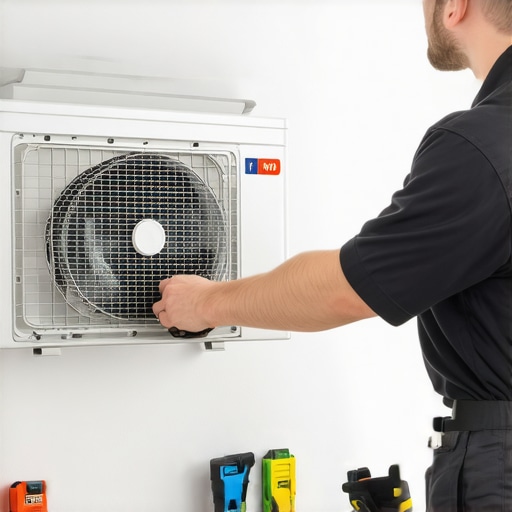
While basic upkeep can be DIY, annual professional inspections are vital. I learned this the hard way when my system suddenly malfunctioned during a cold snap. An HVAC technician came out, identified a refrigerant leak, and fixed it promptly, saving me from a costly emergency. Professionals can detect issues invisible to the untrained eye, like refrigerant levels, compressor health, or electrical connections. Schedule a tune-up through trusted experts, like those found at Chilly Pro HVAC, to ensure your system is ready for extreme weather and performs reliably year-round.
Recognize Signs When Professional Help Is Urgently Needed
Sometimes, DIY checks aren’t enough. Strange noises, persistent odors, or system freezes indicate deeper problems. I once ignored a faint buzzing sound, which escalated into a compressor failure. If you notice odd behaviors, consult specialists immediately. Don’t wait for a total breakdown—quick action can prevent costly repairs. For trusted results, consider reaching out to experts with proven maintenance records, like our trusted partners in 2024 HVAC repair results.
Many homeowners believe they fully understand how their HVAC systems should operate or how to maintain them effectively, but there’s often a gap between perception and reality. A frequent misconception is that mini-splits and heat pumps are maintenance-free or require minimal attention. In reality, even these modern systems necessitate regular, nuanced care to prevent costly breakdowns. For instance, assuming that replacing filters once a year suffices can be a costly mistake, as specialized components like refrigerant levels and outdoor unit airflow demand ongoing monitoring by knowledgeable technicians.
Are There Subtle Signs You’re Missing When Diagnosing HVAC Problems
One of the most overlooked aspects is the importance of understanding subtle system cues, such as minor refrigerant leaks or electrical issues that aren’t immediately evident. Experts emphasize that small irregularities, like slight fluctuations in heating or cooling output, can snowball into significant failures if not proactively addressed. According to industry studies, neglecting these nuances may reduce system efficiency by up to 30%, leading to higher energy bills and shorter equipment lifespan. The key is to recognize the difference between typical wear and early warning signs requiring expert attention. Don’t rely solely on your perception—regular professional inspections can uncover hidden issues that DIY methods might miss, ensuring your system operates at peak performance and longevity. To avoid falling into common traps, consider consulting trusted professionals for an in-depth assessment—visit our contact page for reliable help. Remember, timely, nuanced interventions save you money, extend equipment life, and maintain home comfort. Have you ever fallen into this trap? Let me know in the comments.Maintaining your HVAC systems effectively requires the right tools and a strategic approach. Over the years, I’ve refined my toolkit, relying heavily on diagnostic equipment that provides precise insights, helping me catch issues before they escalate. One essential device I use is a digital refrigerant manifold gauge set like the【Yellow Jacket 62004】, which allows me to accurately measure refrigerant pressures and diagnose leaks with confidence. Having this in my toolbox has saved me countless emergency service calls by enabling early detection of refrigerant anomalies, a critical aspect as refrigerant circuits become more sophisticated with eco-friendly fluids. Additionally, I incorporate a high-quality UV leak detector, such as the【Super Calla UV Leak Detector】, to pinpoint small leaks that might otherwise escape notice. Regularly, I also rely on a reliable infrared thermometer to verify temperature differences across coils, ensuring optimal heat transfer or cooling efficiency. These tools, combined with a smartphone app that logs system performance—like【HVAC Check】—allow me to note trends over time, which is invaluable when planning maintenance schedules or advising clients. Looking ahead, as HVAC technology advances toward smart, remotely monitored systems, I predict a surge in IoT-enabled diagnostic tools that can alert homeowners or technicians of issues proactively, minimizing downtime and repair costs. To truly keep your mini-split or heat pump humming, I recommend integrating these precise tools into your routine and learning to interpret their data accurately. For a more detailed guide on using advanced diagnostic tools, check out our article on【HVAC Repair Secrets】. Ready to elevate your maintenance game? Try using a refrigerant leak detector during your next filter change or inspection—it’s an investment that pays off in system longevity and efficiency.
The Hardest Lesson I Learned About mini-split, heat pump, HVAC repair, furnace repair
One of the most humbling experiences was realizing that even the most modern HVAC systems demand attention beyond just occasional maintenance. I once believed that replacing filters annually was enough, only to discover that refrigerant leaks and electrical issues could quietly degrade performance. That tough lesson taught me the importance of regular, nuanced inspections—something only experienced technicians can provide.
3 Myths About mini-split, heat pump, HVAC repair, furnace repair That Held Me Back
- Myth: Mini-splits are maintenance-free.
Reality: They still need regular filter checks and coil cleaning to operate efficiently. - Myth: DIY troubleshooting always saves money.
Reality: Without proper tools and knowledge, you might miss critical issues or cause damage. - Myth: If a system is silent, it’s working fine.
Reality: Subtle noises often indicate early problems that need attention.
What Experts Won’t Tell You About mini-split, heat pump, HVAC repair, furnace repair
Many professionals will emphasize the importance of professional tune-ups, yet few stress the significance of understanding your system’s subtle cues, like slight temperature fluctuations or unexpected fan sounds. Recognizing these signs early can prevent costly repairs and extend your system’s lifespan. Trusting true specialists, like those who offer comprehensive services and ongoing advice, is the smartest move you can make—learn more at this resource.
My Essential Toolkit for mini-split, heat pump, HVAC repair, furnace maintenance
Over time, I’ve curated a set of tools that help me diagnose issues accurately and efficiently. The yellow jacket refrigerant gauges allow me to monitor pressure leaks, while a UV leak detector pinpoints tiny refrigerant escapes. An infrared thermometer verifies coil temperatures to ensure heat exchange is optimal. Using these instruments regularly has improved my ability to catch problems early, saving both time and money.
Don’t Hesitate to Take the Next Step in Your HVAC Journey
The future of mini-split and heat pump maintenance lies in proactive care and understanding your system deeply. Whether you’re comfortable with basic DIY tasks or ready to hire a professional, taking action now will pay dividends in comfort and reliability. If you’re unsure where to start, reach out to trusted experts through this contact page. Remember, your home’s comfort is worth every effort—embrace the challenge and enjoy the benefits of a well-maintained HVAC system. Have you ever encountered a subtle sign that was a warning of bigger trouble? Share your experience below, and let’s learn together.