
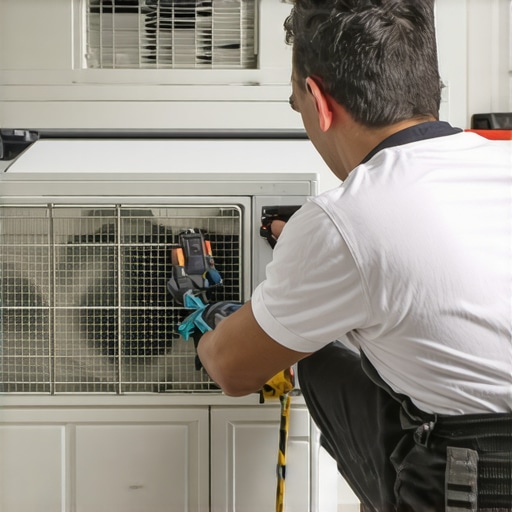
I vividly remember the cold, dark winter night when my mini-split decided to blow hot and cold—literally. One minute it was warming up my living room, and the next, it was hiccuping, refusing to do its job. That frustrating moment was a lightbulb moment for me. I realized that even the best HVAC systems can stumble without proper maintenance and timely repairs. If you’ve ever experienced those unpredictable toggles between warm and chilly, you’re not alone. Today, I want to share practical insights that can help you troubleshoot and fix your heat pump or mini-split, ensuring your home remains cozy year-round.
Why Home Comfort Can Feel Like a Moving Target
Home comfort isn’t just about having a working system—it’s about reliability. When your mini-split or heat pump falters, it disrupts your entire day, sometimes even your entire week. Recognizing common issues early can save you hundreds on repairs and spare you sleepless nights wondering if your system will hold up during extreme weather. As a fellow homeowner, I’ve learned the hard way that improper troubleshooting or delays can turn small glitches into expensive repairs. That’s why understanding where problems originate is crucial. For instance, a simple clogged filter can cause your system to overwork, leading to breakdowns. Regular maintenance, including effective [heat pump maintenance and repair](https://chillyprohvac.com/ultimate-guide-to-heat-pump-maintenance-and-repairs), can prevent these surprises.
Have you faced a situation where your mini-split suddenly stopped cooling or heating just when you needed it the most? If yes, you’re probably wondering: “Is this repair complicated?” Believe me, early mistakes can make the problem worse. I once thought I could fix my system with a quick online tutorial, only to end up calling a professional anyway. The key is knowing which issues are DIY-friendly and when to seek expert help. Sometimes, the fastest way to save money and restore comfort is to recognize your limits and contact a trusted professional. For reliable solutions, I recommend visiting [here](https://chillyprohvac.com/contact-us) for expert guidance.
Let’s dive into what could be causing your system to act out and how to approach fixing it efficiently, without unnecessary stress or expense.
Start with a Visual Inspection
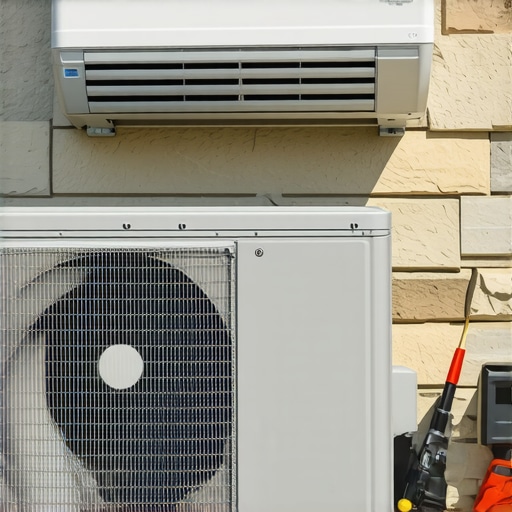
Before diving into complex fixes, visually examine your system. Look for loose wires, frozen coils, or debris blocking vents. I once noticed that my outdoor unit was covered in leaves, causing airflow restrictions. Clearing it improved performance immediately. Wear gloves and, if necessary, turn off the unit at the breaker before touching any components. This initial step can reveal obvious issues and prevent unnecessary troubleshooting.
Check and Clean Air Filters
Clogged filters are common culprits for inefficient operation. Remove the filters from your mini-split or heat pump and inspect them. If dusty or dirty, replace or wash them according to manufacturer instructions. A simple cleaning boosted my system’s airflow, reducing strain. Regular maintenance like this is crucial; for detailed guidance, see heat pump maintenance tips.
Test Thermostat Settings
Misconfigured thermostats can cause your system to cycle improperly. Ensure your thermostat is set to the desired temperature and mode (cooling or heating). Sometimes, a quick recalibration or replacing batteries solves the problem. I once realized that my thermostat was set to ‘auto’ instead of ‘on,’ leading to inconsistent temperature changes. Confirm these settings and consider relocating the thermostat to avoid drafts or direct sunlight for better accuracy.
Inspect Capacitors and Contactors
These electrical components control the power flow to your system. For a hands-on check, turn off the power at the breaker, then visually inspect for bulges, leaks, or corrosion. If you notice any signs of damage, replacing faulty capacitors or contactors can resolve startup issues. I replaced a failing capacitor myself after watching a step-by-step tutorial, which led to a successful startup and improved efficiency. If unsure, consult an HVAC professional via trusted repair experts.
Evaluate Refrigerant Levels
Low refrigerant causes inadequate cooling or heating. While handling refrigerant requires certification, you can check for leaks or ice buildup on coils. If your system is low on refrigerant, it indicates a leak needing professional service. I experienced this when my mini-split was blowing warm air; a technician confirmed low refrigerant caused by a small leak. Regularly scheduled maintenance, including refrigerant checks, prevents such issues. Learn more about maintaining your system at furnace repair myths debunked.
Clean Coils and Condensers
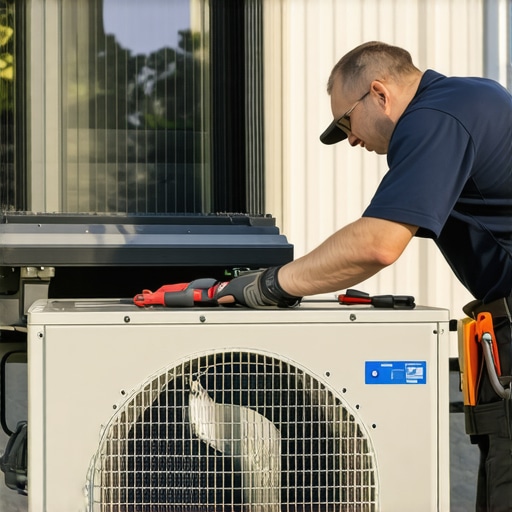
Dirt and debris impair heat exchange, reducing efficiency. Use a garden hose to gently wash the outdoor condenser coils. Be cautious not to bend the fins. In my case, a simple rinse decreased system noise and improved cooling performance. For best results, consider using a fin comb to straighten bent fins, enhancing airflow. Regular coil cleaning is a vital part of ongoing maintenance.
Address System Errors and Codes
Modern mini-splits and heat pumps display error codes when malfunctioning. Consult your user manual or manufacturer’s website to interpret these codes. Once, I saw an error indicating defrost cycle issues, which I addressed by cleaning the outdoor fan. If errors persist, it’s best to contact a professional. For trusted assistance, visit contact us to connect with HVAC specialists.
Document and Plan Repairs
Keep a log of issues, fixes, and parts replaced. This helps identify recurring problems and provides useful info for technicians. I maintained a simple notebook, which sped up future troubleshooting. For complex repairs like replacing compressors or refrigerant, always hire licensed professionals to ensure safety and compliance. Learn more about expert solutions at our trusted repair options.
Many homeowners believe that fixing furnace or heat pump issues is straightforward, but this oversimplification can lead to costly mistakes. A common misconception is that new or upgraded systems require minimal maintenance or that diagnosing problems is always obvious. In reality, HVAC and mini-split systems are complex, with nuanced behaviors that can deceive even experienced DIYers. For example, a system may appear to operate normally but still suffer from inefficiencies caused by subtle refrigerant leaks or unbalanced airflow. Relying solely on visual cues without understanding the intricacies of system diagnostics can result in missed opportunities for optimal performance.
What Advanced Techniques Do Professionals Use to Diagnose Hidden System Failures?
Experts utilize a combination of diagnostic tools, such as refrigerant leak detectors, infrared thermometers, and pressure gauges, to identify issues invisible to the naked eye. These tools help distinguish between superficial symptoms and root causes, preventing temporary fixes from becoming recurring problems. For instance, simply cleaning coils may not resolve a refrigerant leak, which gradually reduces system efficiency. According to industry reports, neglecting detailed diagnostics often leads to premature component failures and increased energy bills. Therefore, investing in professional assessment can save you money and extend your system’s lifespan.
Another widespread myth is that mini-splits are maintenance-free. In fact, ignoring their nuanced cleaning needs or failing to monitor airflow can compromise performance. The suction and discharge pressures in heat pumps, for example, need periodic checks to ensure refrigerant levels are adequate and system components operate within optimal ranges. Skipping these steps might seem harmless initially but can cause long-term damage, including compressor burnout. For expert tips on maintaining your mini-split or heat pump, visit [here](https://chillyprohvac.com/heat-pump-mini-split-maintenance-effective-home-climate-control).
Beware of common pitfalls like assuming all noises are benign or ignoring error codes. These symptoms often mask deeper issues such as failing capacitors or problematic control boards. Misinterpretation or delayed responses to such signals can accelerate system deterioration. Remember, professional technicians are trained to interpret these clues accurately, helping you avoid unnecessary replacements and ensuring reliable operation for years. Having a regular maintenance schedule, informed by expert insights, is your best defense against unexpected failures. Want to learn more? Check out [reliable HVAC repair tips](https://chillyprohvac.com/hvac-repair-secrets-boost-efficiency-with-expert-tips) to make smarter decisions about your system.
In summary, the real challenge lies in recognizing that system issues often have nuanced causes that require advanced diagnostics. Relying on superficial fixes or misconceptions can lead you down a trap of recurring failures and wasted money. By understanding the complexity and trusting professionals for detailed assessments, you can ensure your HVAC and mini-split systems perform efficiently and last longer. Have you ever fallen into this trap? Let me know in the comments.Maintaining your furnace, heat pump, or mini-split requires more than just basic checks; it demands the right tools and a proactive approach to ensure long-term efficiency. One of my go-to instruments is a digital manifold gauge set, which allows me to accurately measure refrigerant pressures, quickly identifying leaks or low levels that could cripple system performance. I’ve found that investing in a high-quality vacuum pump is equally essential—it’s the only way to thoroughly evacuate moisture from your lines before recharging, preventing corrosive damage. For detecting electrical issues, a non-contact voltage tester helps me pinpoint faulty wiring or failing capacitors without risking a shock.
Additionally, I rely heavily on infrared thermometers to assess component temperatures during operation, spotting overheating parts early before they cause system failure. These tools empower homeowners to perform routine diagnostics with confidence, reducing dependence on costly professional visits for minor issues.
Looking ahead, I predict that integrating smart diagnostic devices—like Wi-Fi-enabled sensors that monitor system health in real-time—will make HVAC maintenance more accessible and precise. Imagine receiving instant alerts on your phone about pressure drops or coil dirt accumulation, allowing you to address problems before they impact comfort.
How do I keep my systems performing year-round? Regular use of these specialized tools combined with a disciplined maintenance schedule. For instance, I schedule seasonal coil cleanings and refrigerant checks, supported by tools like a fin comb for gentle coil fin restoration. This comprehensive routine has noticeably extended my equipment’s lifespan and maintained optimal energy efficiency.
If you’re ready to elevate your HVAC maintenance game, I recommend starting with a digital manifold gauge set—it’s the core component for trustworthy refrigerant diagnostics. Pair it with a quality vacuum pump, and you’ll become your home’s first line of defense against costly repairs. Dive into more advanced maintenance strategies by exploring [comprehensive heat pump care](https://chillyprohvac.com/ultimate-guide-to-heat-pump-maintenance-and-repairs). Taking these steps today can save you headaches and money down the line.
What I Wish I Knew Before Twisting Wrenches
One of the biggest lessons I learned was that not every weird noise or odd behavior from my heat pump is a straightforward fix. Sometimes, the root cause is buried deep—like a refrigerant leak that only an infrared thermometer or pressure gauge can reveal. Ignoring these nuanced details can lead to repeated breakdowns and wasted money. My lightbulb moment came when I realized that patience and proper diagnostic tools are the best allies in defeatless HVAC maintenance.
My Secret Arsenal for Home Comfort
Over the years, I’ve curated a toolkit that includes a digital manifold gauge set, a reliable vacuum pump, and even infrared thermometers. These tools help me quickly catch issues like low refrigerant or overheating components, turning me into my own mini HVAC technician. Trusting reputable sources like comprehensive heat pump guides and professional advice has saved me countless service calls. If you’re serious about protecting your investment, these are the essentials I recommend.
Most Important Lesson I Learned About HVAC Care
Beyond the gadgets and troubleshooting, I discovered that consistent, proactive maintenance is a game-changer. Regular coil cleaning, refrigerant checks, and filter changes do more than keep my system humming—they extend its lifespan and reduce energy bills. The biggest mistake I see owners make is neglecting seasonal upkeep. Think of maintenance as an investment rather than an expense—your HVAC system will thank you through years of reliable service.
Action Is the Fuel for Lasting Comfort
Taking control of your furnace, heat pump, or mini-split isn’t just about fixing problems—it’s about empowering yourself to prevent them. The future of HVAC health is trending toward smart sensors that monitor system diagnostics in real time, alerting you long before a costly breakdown occurs. So, why wait for a failure when you can be proactive? Start with a simple diagnostic check today, and soon you’ll find yourself enjoying peace of mind and a cozy home, no matter the season.
What’s the most surprising thing you’ve learned when maintaining your HVAC system? Share your experiences below, and let’s grow our knowledge together!
Reading through this detailed troubleshooting guide reminds me how critical regular maintenance is for mini-splits and heat pumps. I remember a time when my system suddenly stopped heating during a cold snap, and a quick visual check of the outdoor unit revealed it was completely covered in snow and debris. Cleaning it off immediately brought the system back to life. It’s often the simple steps—like clearing leaves and checking filters—that prevent bigger issues later. What tools do others find most useful for DIY diagnostics? I’ve invested in a basic infrared thermometer and a multimeter, which have saved me numerous service calls. Yet, I wonder if integrating some smart sensors would make routine checks even easier. Has anyone had experience with Wi-Fi-enabled HVAC diagnostic devices? I’m curious about how they work in practice and whether they really enhance maintenance routines or just add gadgetry to an already complex system.
This article really highlights the importance of routine checks and the right diagnostic tools for maintaining mini-splits and heat pumps effectively. I had a similar experience where my outdoor unit was partially covered by debris, and I didn’t realize how much that was hampering airflow until I cleaned it. Since then, I’ve started using a digital infrared thermometer to monitor coil temperatures, which has been a game changer. It’s fascinating how small, proactive steps can prevent larger, costly repairs down the line.
Regarding smart sensors, I recently installed a Wi-Fi-enabled system monitor on my heat pump, and I must say, it’s incredibly helpful. I get real-time alerts for pressure drops or if the system detects an abnormal vibration. Have others here tried these types of devices? Do you think they truly add value or just overcomplicate the maintenance routine? I’d love to hear how different homeowners approach this modern technology to simplify HVAC care.
This post hits home for me because I’ve also learned the hard way that skipping regular maintenance on my mini-split led to an unexpected breakdown during a chilly evening. Having tools like an infrared thermometer and a multimeter has been a real help in early diagnosis, especially when trying to pinpoint issues like refrigerant leaks or electrical faults. I’ve started exploring smart sensors that provide real-time alerts, which seem promising for proactive maintenance. Has anyone tried integrating these with their existing system? I’d love to hear about your experiences, especially whether they truly simplify the troubleshooting process or if they add another layer of complexity.