The 2026 HVAC Landscape: Why Your Smart Tech is Failing You
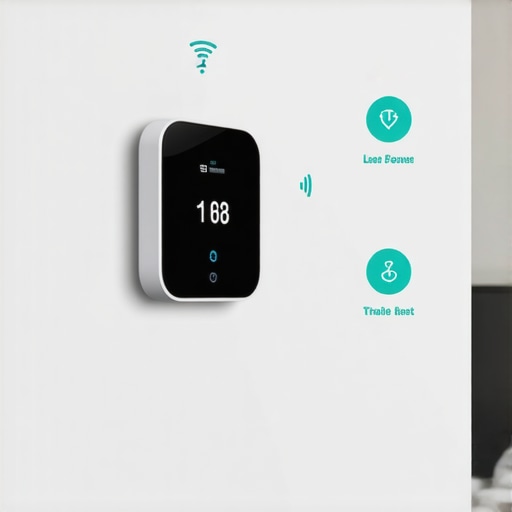
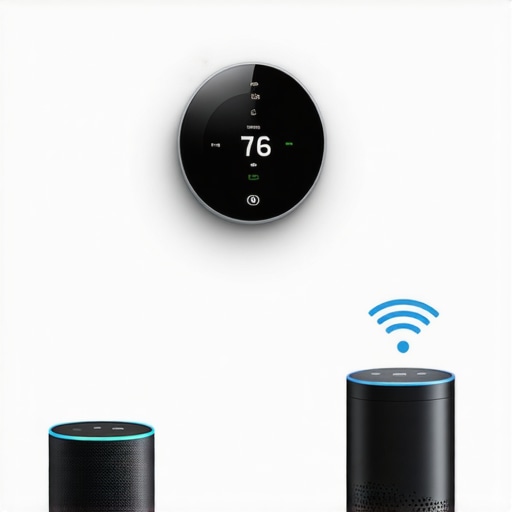
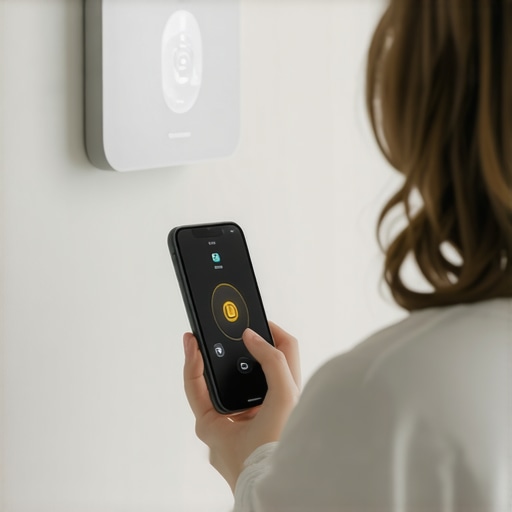
I recently followed a ‘Sales Tech’—one of those guys who spends more time polishing his company polo than looking at a manifold gauge—into a 10,000-square-foot fabrication shop in the middle of a November cold snap. The owner was ready to sign a $22,000 contract for a full system replacement because her warehouse heating solutions supposedly ‘died.’ The ‘expert’ told her the control boards were fried across three units. I walked in, pulled my meter, and realized the units were fine. The problem? A botched WiFi thermostat integration where the geofencing radius for the manager’s phone was overlapping with the night-shift foreman’s tablet. The system was receiving ‘Home’ and ‘Away’ commands simultaneously, causing a logic lockout. That’s the reality of 2026: we have the smartest hardware in history, and we’re let down by the dumbest configuration errors.
“The most expensive equipment in the world cannot overcome a bad duct system—or a poorly programmed control logic that defies the laws of thermodynamics.” – Industry Axiom
The Physics of the ‘Cold Soak’ and Geofencing Logic
In the North, where we deal with sub-zero wind chills, geofencing isn’t just a convenience; it’s a gamble with thermal mass. If you’re using hyper-heat heat pumps, you can’t treat them like an old-school cast-iron boiler. Those old boilers were ‘brute force’ heating. Modern high-efficiency systems are ‘steady state’ performers. When your app-controlled heating systems detect you’re five miles away and drop the temp by 10 degrees, you’re inviting a ‘cold soak.’ This is where the actual structure—the concrete slab, the steel beams, the drywall—drops to the ambient temperature. To recover that heat, the system has to work twice as hard, often triggering expensive electric backup strips. It’s the opposite of efficiency.
Error #1: The ‘Boundary Overlap’ in Multi-User Environments
The biggest mistake I see in garage heater installation and commercial warehouse setups is the ‘Boundary Overlap.’ If you have three people with administrative access to the app-controlled heating systems, and their geofence radiuses aren’t synchronized, the HVAC ‘brain’ suffers from what we call ‘chatter.’ One phone enters the zone, the contactor pulls in (the ‘clack’ you hear at the unit), and then the other phone leaves the zone, dropping the contactor. This rapid cycling kills compressors. It’s not just about comfort; it’s about mechanical longevity. If you’re going to use WiFi thermostat integration, you need a single ‘Master’ device or a logic gate that requires all devices to be ‘Away’ before the setback kicks in. Otherwise, you’re just paying for a slow-motion burnout.
Error #2: Ignoring Latent Heat Recovery for Hyper-Heat Pumps
In 2026, the transition to A2L refrigerants like R-454B has changed how we calculate ‘recovery time.’ Hyper-heat heat pumps are incredible—they can pull heat out of thin air even at -13°F—but they aren’t magic. A common geofencing error is setting a 3-mile trigger for a house that takes 2 hours to recover 3 degrees of sensible heat. By the time you pull into the driveway, the ‘Suction Line’ isn’t even ‘beer can cold’ yet, and the house is still a refrigerator. You need to adjust your geofence radius based on the thermodynamic recovery rate of your specific home. In a crawl space heating solutions scenario, where insulation is often sub-par, that recovery is even slower. You’re better off with a 2-degree setback and a 15-mile geofence than a 10-degree setback and a 2-mile geofence.
“Ventilation and pressure differentials must be maintained to ensure that the building envelope does not become a moisture trap during rapid temperature cycles.” – ASHRAE Standard 62.1
Error #3: The ‘Infrared Conflict’ in Hybrid Systems
This one is for the shop owners. If you’ve invested in infrared heater installation for your workbenches but rely on a central air handler for general warehouse heating solutions, your geofencing is likely fighting itself. Infrared heat doesn’t heat the air; it heats the objects (and the people). A standard WiFi thermostat measures air temperature. When the geofence kicks the air handler on, the moving air can actually strip the ‘boundary layer’ of heat off the people the infrared is trying to warm. This results in the thermostat satisfying quickly while the ‘Tin Knocker’ in the back of the shop is still freezing. You need to integrate these systems so the infrared serves as the primary ‘Occupied’ heat and the air handler handles the ‘Setback’ load. If you’re struggling with this, looking into hvac repair secrets can help you understand how to balance these loads.
The 2026 Regulatory Cliff: Why Your Tech Matters Now
We are entering the era of ‘Mildly Flammable’ refrigerants and mandatory leak detection sensors. If your thermostat installation isn’t handled by someone who understands the new communication protocols, you’re going to get ‘Soft Lockouts’ that don’t even show up as errors on your phone. They just look like the system is ‘waiting.’ This is where rebate application assistance becomes vital. Many of these high-end, 2026-compliant systems qualify for massive federal tax credits, but only if they are commissioned correctly with documented static pressure and airflow readings. If your tech doesn’t bring out a manometer, he’s just a parts changer. Whether it’s swamp cooler maintenance in the dry months or keeping a furnace alive, precision is the only way to save. For those in older homes, checking out furnace repair myths can save you from a ‘Sales Tech’ trying to exploit your lack of technical knowledge. In the end, comfort isn’t a setting on an app—it’s the result of sound physics and a clean coil. Stop letting the ‘Sparky’ or the ‘Sales Tech’ tell you otherwise. Airflow is king, and logic is his queen. If the logic is flawed, the king is dead.