
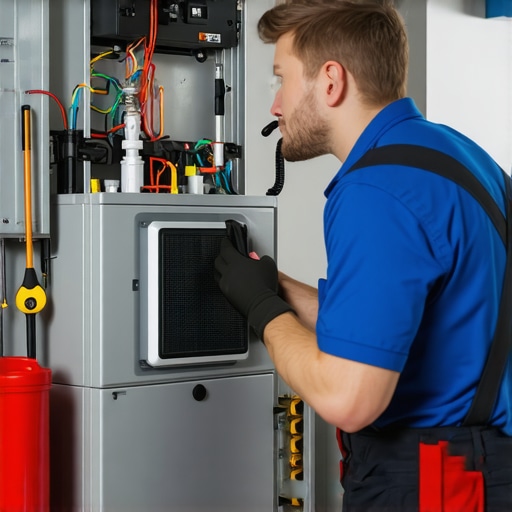
It was a freezing night when I realized my heating system had abruptly stopped working. The chills seeped through the walls, and I desperately fumbled with the thermostat, hoping for a miracle. That moment of helplessness wasn’t just uncomfortable—it was a stark reminder of how much we rely on our HVAC systems to keep our homes cozy and safe. If you’ve ever experienced a sudden heater failure, you know that icy dread. But here’s the thing: many of these issues can be prevented or resolved with a bit of know-how and timely troubleshooting.
Why Maintaining Your Heating System Should Be a Top Priority
Your furnace or heat pump isn’t just a bulky appliance gathering dust in the basement; it’s the frontline defender against cold weather misery. When it falters unexpectedly, it disrupts your daily life, ends up costing a fortune in emergency repairs, and worst of all, leaves you in the cold during the chilliest months. Regular maintenance and understanding common problems can save you money and a night of shivering in your own home. Numerous studies, including data from the Department of Energy, show that well-maintained HVAC systems run more efficiently, use less energy, and last longer, ultimately saving homeowners hundreds of dollars over their lifespan.
Are you experiencing inconsistencies in your heating, or have you faced the frustration of a system that just won’t start? Trust me, I’ve been there. Early on, I made the mistake of ignoring small issues like strange noises or uneven heating, which only worsened over time. Don’t let that be your story. Instead, let’s dive into the most common problems and how you can troubleshoot them before calling in a professional.
Is DIY Fixing Your Furnace Worth the Risk
One thing I learned early on was that attempting repairs without proper knowledge can sometimes do more harm than good. The biggest mistake I made was trying to replace a thermostat myself after reading a quick online tutorial. It seemed simple enough, but I ended up damaging some components, which cost me more in repairs later. That’s why understanding when to troubleshoot on your own and when to call a pro is crucial. For guidance on professional repair options, check out our article on [HVAC Repair Secrets to Boost Efficiency](https://chillyprohvac.com/hvac-repair-secrets-boost-efficiency-with-expert-tips).
Now, let’s move beyond the initial frustrations. The next step is to identify and fix common issues that could be lurking behind your heating fails. Ready? Let’s get started.
Check the Thermostat Settings for Immediate Results
Begin with the simplest step — verify your thermostat is set correctly. During my last cold snap, I found that my thermostat was switched to ‘Off’ after a power outage. Adjusting it to ‘Heat’ and setting the temperature higher immediately restored warmth. Always ensure your thermostat is powered and the settings are accurate. If your thermostat runs on batteries, replacing them can resolve many issues without professional help.
Inspect Power and Circuit Breakers
Next, examine your electrical panel. A tripped breaker can cut power to your heater without obvious signs. I once experienced a silent heater failure because a breaker label was unclear; resetting the breaker restored operation. Turn off the breaker, wait a few seconds, then switch it back on. Keep in mind, if the breaker trips again, there might be a short circuit or overload—consider seeking professional advice.
Examine Air Filters and Vents
Clogged filters block airflow, causing your system to work harder or shut down. Remember the time I neglected my filter, and my furnace refused to ignite—after replacing it, the system ran smoothly again. Remove the filter and check for excessive dirt or dust. Replacing filters every 1-3 months ensures optimal airflow and prevents overheating.
Test the Pilot Light or Ignition System
For older furnaces, the pilot light’s absence indicates a problem. I once had to relight my gas furnace’s pilot after it went out, following manufacturer instructions. If your system has an electronic ignition, listen for clicking sounds or check for error codes. If you’re uncertain, consult the manufacturer’s manual or [furnace repair myths debunked](https://chillyprohvac.com/furnace-repair-myths-debunked-what-homeowners-need-to-know) to understand common ignition issues.
Listen for Unusual Noises and Note Vibrations
Unusual sounds like banging or screeching often signal mechanical problems. My neighbor’s heater made a rattling noise that turned out to be a loose fan blade—tightening it fixed the issue. Vibration warnings might indicate unbalanced components or worn belts. If you identify unusual noises, stop running the system and call an HVAC professional to avoid further damage.
Assess System Components for Visible Damage
Visually inspect accessible parts—look for frayed wiring, rust, or damaged fans. Once, I noticed corrosion inside my heat pump, which was causing inefficiencies. Addressing visible rust and corrosion can prolong system life; however, if you find electrical damage or severe corrosion, professional repair is essential to ensure safety and reliability.
Schedule Professional Maintenance Before the Coldest Hours
Regular service checks can prevent unexpected failures. During my last tune-up, technicians cleaned the system and replaced worn parts, significantly improving efficiency. Arrange annual maintenance with a licensed HVAC expert—this will catch potential issues early and save you from costly emergency repairs during winter. For trusted professionals, visit our contact page [here](https://chillyprohvac.com/contact-us) and avoid risky DIY fixes that could void warranties or cause safety hazards.When it comes to HVAC repairs, many homeowners operate under misconceptions that can lead to costly mistakes. A prevalent myth is that all components are interchangeable or that replacing parts is always straightforward. In reality, each system—be it a heat pump, mini-split, or traditional furnace—has unique nuances that professionals understand through years of experience. For example, mini-splits require precise refrigerant handling; mishandling this delicate process can compromise the entire unit’s efficiency. There’s a misconception that DIY repairs are always cost-effective, but without proper training, you risk causing more harm than good, often ending up with an even bigger bill. Before attempting any fixes, it’s wise to consult reputable sources or professional technicians to avoid these pitfalls. Interestingly, a study by the Environmental Protection Agency emphasizes that improper maintenance or repair can lead to increased energy consumption and reduced lifespan of your HVAC system. So, what’s the hidden nuance most overlook? It’s the importance of proper diagnosis. Many think they can identify issues by sight or sound alone, but HVAC systems often hide complex problems in their refrigerant circuits or electrical components. Misdiagnosis can lead you to replace a costly part unnecessarily or fail to address the core issue. This is precisely why understanding the intricacies of your system or trusting seasoned experts, like those at our trusted repair services, is essential for long-term comfort. For those seeking deeper insights, the [Ultimate Guide to Heat Pump Maintenance and Repairs](https://chillyprohvac.com/ultimate-guide-to-heat-pump-maintenance-and-repairs) offers comprehensive strategies, including how to recognize subtle signs of impending failures. Don’t fall prey to misunderstandings that could cost you more—invest in accurate diagnosis and professional support. Remember, skipping this step might seem like saving upfront but could result in unnecessary expense and discomfort later. Have you ever fallen into this trap? Let me know in the comments.Maintaining your heat pump, mini-split, or furnace over time requires more than occasional inspections; it demands the right tools and disciplined routines. One of my go-to devices is a digital multimeter. I prefer the Fluke 115 for its accuracy and durability, which I use to check electrical resistances and voltage outputs regularly. This helps me catch issues like faulty relays or wiring problems before they escalate. Additionally, a refrigerant leak detector like the Inficon Tuned Leak Detector plays a crucial role in identifying refrigerant leaks—a common issue in heat pumps and mini-splits that, if left unchecked, compromises efficiency and comfort. Regularly testing refrigerant levels with a high-quality manifold gauge set ensures your system operates optimally and prolongs its lifespan.
In terms of software, I rely on system-specific diagnostic apps provided by brands like Daikin or Mitsubishi. These apps enable remote troubleshooting and monitor parameters such as compressor performance and airflow rates. Linking these tools to your maintenance routine can significantly reduce the time and guesswork in diagnosing problems.
When it comes to maintenance routines, I schedule quarterly check-ins to clean filters, inspect electrical contacts, and verify thermostat calibrations. Using a vacuum with a soft brush attachment helps me remove dust and debris from coils, which is critical for heat pump and furnace efficiency. For detailed procedures, the [Ultimate Guide to Heat Pump Maintenance and Repairs](https://chillyprohvac.com/ultimate-guide-to-heat-pump-maintenance-and-repairs) offers an excellent roadmap.
Looking ahead, I predict the trend towards smart, integrated HVAC systems will continue to grow. These systems will provide real-time diagnostics and automate many preventive maintenance tasks, reducing downtime and energy costs.
### How do I maintain my HVAC system over time?
Implementing a structured maintenance schedule, leveraging diagnostic tools, and staying informed through expert resources are key steps. For instance, investing in a refrigerant leak detector and digital multimeter allows for more precise troubleshooting, preventing minor issues from becoming costly repairs. Regularly updating your system’s firmware and monitoring its performance through proprietary apps can also provide early alerts to impending failures.
If you’re ready to elevate your maintenance game, try integrating a refrigerant leak detector into your routine. It’s an advanced tool that can save you money and preserve your system’s longevity. For trusted professional support and repair solutions, visit our [contact page](https://chillyprohvac.com/contact-us) and ensure your HVAC system remains reliable year-round.
What The Toughest Repair Taught Me About HVAC Systems
One of the hardest lessons I learned was realizing that rushing into repairs without understanding your specific system can cause more harm than good. For example, assuming that refrigerant leaks are always easy to spot led me to ignore subtle warning signs, which resulted in costly damage. Patience and proper diagnosis are vital; I now take time to research and consult professionals before attempting complex fixes.
How My Missteps Turned Into Smarter Maintenance
Initially, I believed DIY fixes were always the economical choice. However, misdiagnosing electrical problems or misusing diagnostic tools ended up costing me more later. This experience taught me the importance of investing in quality tools and trusting expert guidance, like consulting resources such as comprehensive maintenance guides to empower myself responsibly.
The Personal Revelation About System Longevity
I used to neglect routine inspections, thinking minor issues could wait. But overlooking a small coil leak or failing to replace filters periodically shortened my system’s lifespan. Now, I see proactive maintenance as a lifelong investment, ensuring reliable comfort and avoiding unexpected breakdowns, all guided by trusted experts’ advice.
My Go-To Tools That Changed My HVAC Approach
After experimenting with various gadgets, I found that a good digital multimeter and refrigerant leak detector dramatically improved my troubleshooting accuracy. These tools, paired with professional resources, help catch issues early and prevent escalating problems. For reliable tools and expert support, explore our recommended repair services and ensure your system’s health.
Why Trust Is the Foundation of Effective HVAC Care
Over time, I discovered that building relationships with licensed professionals fosters better understanding and more sustainable solutions. Expert technicians not only fix problems but also educate homeowners about systemic care, turning frustration into empowerment. Remember, your HVAC system benefits immensely from trusted support—consider scheduling regular checkups and leveraging expert insights for peace of mind.

Reading this post really resonated with me, especially the emphasis on proper diagnosis and the risks of DIY repairs. I learned the hard way that even small mistakes, like trying to adjust the refrigerant levels myself, can lead to significant issues down the line. Over the years, I’ve found that investing in quality diagnostic tools—like a digital multimeter and refrigerant leak detector—has saved me from costly repairs and prolonged delays. I particularly appreciate the reminder that regular maintenance is essential; scheduling annual checkups with licensed professionals can catch problems early before they turn into emergency scenarios, especially during winter when heating is crucial. Do any of you have particular tools or techniques that have made your HVAC maintenance easier or more effective? I’ve found that keeping a detailed maintenance checklist helps me stay on top of routine tasks and avoid surprises when cold weather hits.
This post really hits home for me. I’ve experienced that helpless feeling when the heat suddenly goes out during a cold snap, and it can be quite stressful. Over the years, I’ve learned that proactive maintenance, like regularly replacing air filters and inspecting electrical components, makes a huge difference in avoiding those last-minute emergencies. What caught my attention was the emphasis on proper diagnosis before jumping into DIY repairs. I agree—without the right tools and knowledge, you might end up causing more damage or missing the real problem. I started using a refrigerant leak detector and a multimeter about a year ago, and they’ve become invaluable for early troubleshooting. It’s interesting how simple routine checks can prevent costly repairs down the line. I’m curious, for those who have tried DIY fixes, how do you determine when it’s time to call a professional? Do you have any tips for novice homeowners to recognize their limits without risking safety or further damage? This discussion is a good reminder that investing in good tools and knowledge can save a lot of money and headaches over time.