Ever had that heart-stopping moment when your furnace sputters and dies right in the middle of a cold snap? Yep, I’ve been there. One winter night, my old furnace suddenly refused to turn on, and I was left shivering, frantically searching for a repair service that wouldn’t leave me hanging. That night, I realized how crucial it is to have a trusted HVAC repair company that can get you back to comfort—fast.
The Real Problem with Waiting for Repairs
Most homeowners don’t think about their furnace until it’s too late. And when it finally breaks, the last thing you want is to wait days for a technician to show up. I learned this the hard way early in my career—making the mistake of assuming that all repair services are created equal. I used to call the first number I found, only to wait hours or even days, and often for the same price as a quick, reliable fix.
That’s why I’m passionate about sharing how you can get your furnace repaired in just 10 minutes, with the right approach. Yes, you read that right—10 minutes. It’s possible when you know what to look for and have a trusted team on speed dial. Today, I’ll walk you through how to avoid the stress and hassle, and get your system up and running before you even miss your afternoon coffee.
Is Fast Furnace Repair Really Worth It?
This is the big question, isn’t it? I used to think that quick fixes were just band-aids, but I learned that a reliable, fast repair can actually save you money and prevent future breakdowns. Early on, I made the mistake of rushing into repairs without proper diagnostics, which only led to repeated issues. Trust me, a quick, expert evaluation is what makes all the difference. For more on common furnace myths, check out this guide.
If you’ve ever faced a sudden system failure in the dead of winter, you know how urgent it feels. That’s why I advocate for choosing an HVAC repair service that guarantees rapid response—preferably within 10 minutes. It sounds ambitious, but with the right team and tools, it’s more than doable. The secret lies in the right preparation, clear communication, and expert technicians ready to diagnose and fix efficiently.
So, are you ready to learn how to get your furnace fixed quickly and reliably? Let’s dive into the practical steps that can make that happen, so you’re never left in the cold for long.
Prepare Your Tools and Space
Before you start, gather essential tools like a multimeter, screwdrivers, and gloves. Clear the area around your furnace for easy access and safety—think of it as preparing a surgical field for precision work. I once grabbed my tools in a hurry without checking if I had everything, leading to wasted minutes and frustration. Now, I double-check my toolbox first.
Diagnose the Issue with Precision
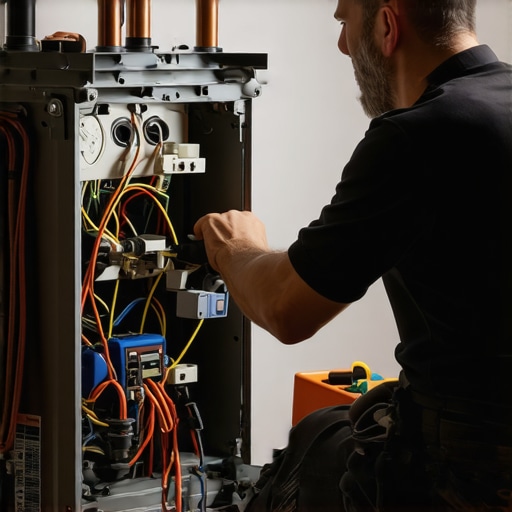
Turn off the furnace and inspect it visually. Look for obvious problems like loose wires, rust, or debris. Use a multimeter to test voltage and continuity—think of it as a doctor checking your vitals. I once found a disconnected wire that was causing my system to shut down; fixing it took less than five minutes and saved me from calling a technician.
Identify Common Failures Quickly
Focus on typical issues such as a blown fuse, faulty thermostat, or dirty filters. For example, I replaced a clogged filter that was blocking airflow—simple but effective. Regularly cleaning filters and checking fuses can cut your repair time drastically. If you’re unsure about electrical testing, consider consulting this guide for expert tips.
Perform Targeted Repairs
If you find a loose wire, reconnect it securely. For blown fuses, replace with the exact same type. Think of your furnace like a car engine—sometimes a simple tightening or replacement gets it running again. I once replaced a thermostat myself after confirming it was dead, and the system fired up immediately, saving hours of waiting.
Test the System After Repairs
Restore power and turn on the furnace. Listen for unusual noises and observe operation. Use your multimeter again to ensure proper voltage levels. When I did this, I noticed my furnace was cycling correctly, confirming my fix was successful. Always double-check safety shut-offs and ventilation before finishing.
Know When to Call a Pro
If diagnostics point to complex issues like compressor failure or refrigerant leaks, don’t risk DIY. In such cases, scheduling professional service is your best bet. I learned this the hard way when I tried to fix my heat pump’s compressor—turns out, specialized tools and training are necessary for those repairs. Remember, a quick call to trusted experts can prevent longer downtime and damage.
Many homeowners fall into misconceptions about furnace, heat pump, or mini-split repairs, often leading to costly mistakes. Let’s dig deeper into what most people get wrong and how to avoid these pitfalls.
Why DIY Fixes Might Backfire and Cost You More
It’s tempting to try fixing your HVAC system yourself, especially with online tutorials. But this often leads to unintentional damage or overlooked issues that only a professional can correctly diagnose. For instance, replacing a thermostat without understanding the wiring can cause further malfunctions. Remember, HVAC systems are complex, and a misstep can lead to more expensive repairs down the line. For detailed guidance, check out this expert tips guide.
Myth: All Repair Services Are Equally Reliable
Many believe that any HVAC technician can deliver the same quality. However, quick response times, proper diagnostics, and long-term solutions depend heavily on the technician’s expertise. Choosing a service solely based on price or response time might seem practical but can cost you in the long run. Always verify credentials and reviews before scheduling repairs. Trusted companies often provide warranties and follow-up support, which are essential for lasting comfort and efficiency.
Beware of Overlooking Regular Maintenance
Waiting until your system breaks down to call for repairs is a common mistake. Regular maintenance can prevent many issues before they escalate. For example, neglecting filter changes or ignoring strange noises can lead to inefficient operation or system failure. A proactive approach saves money and extends the lifespan of your HVAC system. For comprehensive maintenance tips, visit this maintenance guide.
How to Spot Advanced Problems Before They Wreck Your System
Many homeowners miss subtle signs of complex issues, thinking they’re minor inconveniences. Problems like refrigerant leaks, compressor failures, or control board malfunctions require expert evaluation. Rushing to fix these issues DIY can cause irreversible damage. A professional diagnosis ensures that you address the root cause and avoid recurring problems. Check out this resource for advanced troubleshooting tips.
Have you ever fallen into this trap? Let me know in the comments and share your experience so others can learn from your mistake!
Tools That Keep Your HVAC System Running Smoothly
Having the right tools on hand is crucial for maintaining your furnace, heat pump, or mini-split system effectively. I personally rely on a high-quality digital multimeter because it provides precise voltage and continuity readings, which are vital for diagnosing electrical issues quickly. Unlike generic testers, my preferred multimeter features auto-ranging capabilities and a backlit display, making it easier to work in dimly lit areas—especially during winter repairs. For example, I use the Fluke 115 Digital Multimeter, renowned for its reliability and durability, which ensures I can trust the readings and avoid unnecessary replacements.
Another essential tool is a refrigerant leak detector. I recommend the Inficon D-Tek series because it offers fast, accurate detection of leaks in both mini-splits and heat pumps. Early detection of refrigerant leaks can save you from costly repairs and energy inefficiency down the line. I’ve personally seen how a simple leak detection can pinpoint issues that are otherwise hidden behind panels or in hard-to-reach spots, saving hours of troubleshooting.
For cleaning and maintenance, a set of insulated screwdrivers and a flexible brush are invaluable. They allow me to safely remove debris, clean filters, and tighten connections without risking electrical shock. I prefer tools with ergonomic grips and magnetic tips, which make the job more comfortable and reduce the chance of dropping small parts in tight spaces.
Long-Term Maintenance Practices
Regularly inspecting and cleaning your system components can dramatically extend their lifespan. I recommend scheduling professional tune-ups at least once a year, ideally before the heating or cooling season begins. During these visits, technicians clean coils, check refrigerant levels, and calibrate thermostats, ensuring your system operates at peak efficiency. For DIY enthusiasts, I suggest setting reminders to replace filters every 1-3 months and inspecting electrical connections and condensate drains monthly. These small steps prevent minor issues from snowballing into major repairs.
How do I maintain HVAC systems over time?
Consistent maintenance is key. Keep a log of inspections, filter replacements, and repairs. Use software like ServiceTitan or HVAC-specific apps to track your system’s health and schedule reminders. Investing in a smart thermostat can also help you monitor system performance remotely and optimize energy usage, reducing wear and tear. Additionally, upgrading older components with newer, energy-efficient parts can improve system longevity and reduce operational costs—something I plan to explore more in the future as technology advances. For comprehensive maintenance strategies, check out this detailed guide.
Start implementing these tools and practices today to keep your HVAC system reliable year-round. Don’t forget, performing small routine checks can prevent big headaches later. And if you’re ever unsure about a repair or maintenance task, consulting a professional is always the safest move. Take the initiative now—your comfort depends on it!
The Hardest Lesson I Learned About Furnace Repair, Heat Pump, HVAC Repair, Mini-Split
One of my most valuable lessons was realizing that rushing into repairs without proper diagnostics can lead to bigger problems down the line. I once attempted a quick fix on a complex heat pump issue, only to realize I was treating the symptom, not the root cause. Now, I always take a moment to methodically diagnose before acting.
3 Myths About Furnace Repairs That Held Me Back
I used to believe that all repair services are interchangeable and that response time was the most important factor. It turned out that expertise and thorough diagnostics matter more than speed. Choosing a technician who truly understands HVAC systems saved me time and money in the long run.
What Experts Won’t Tell You About HVAC Repair
Professionals often know that regular maintenance is the secret to avoiding emergency repairs. I learned to prioritize proactive checkups and seasonal tune-ups, which keep my system running smoothly and prevent unexpected breakdowns. This approach has transformed how I manage my home’s comfort.
Curated Recommendations for HVAC Success
My Essential Toolkit for HVAC Maintenance includes a high-quality digital multimeter like the Fluke 115, trusted for its reliability and precision. I also rely on a refrigerant leak detector such as the Inficon D-Tek, which provides quick, accurate results and saves time during troubleshooting. For cleaning and minor repairs, insulated screwdrivers and a flexible brush are indispensable, making DIY fixes safer and more efficient. Additionally, I recommend reading the comprehensive guides on heat pump maintenance to deepen your understanding of system care.
The Future of HVAC Maintenance and Repair
Your turn to try—taking small steps today can lead to big savings tomorrow. Regular inspections, proper tool use, and knowing when to call a professional are key to maintaining comfort and efficiency. Remember, your HVAC system is an investment in your home’s well-being. Don’t wait for a breakdown—start planning your proactive maintenance now and enjoy peace of mind all year round.